How to Choose the Best Berberine Supplement?
Choosing a Berberine supplement can feel simple until you compare the labels. One bottle may list an extract, another a standardized amount, and a third may add several ingredients. The details matter. A clear label should identify the amount per serving, the form used, and any additional active ingredients. Check whether the serving size means one capsule or several; that small line can change the daily amount considerably.
Quality deserves more attention than bold promises. Look for a manufacturer that explains its testing practices and provides accessible contact details. Independent testing can offer useful information about identity and purity, though a certification does not prove that a supplement will work for everyone. Be cautious with claims about rapid weight loss, blood sugar control, or replacing medication. Research on berberine is still developing, and study results do not guarantee personal results. That uncertainty is easy to overlook.
Your health context matters, too. Berberine may affect how some medicines work, and it may not be appropriate during pregnancy or breastfeeding. If you take prescription drugs or manage a health condition, ask a qualified healthcare professional before using it. Compare labels, serving sizes, testing information, and return policies before you buy. A familiar brand name alone is not enough. Even a tidy label leaves questions. This guide will help you assess the evidence, spot marketing language, and choose more thoughtfully—without treating any supplement as a shortcut or a substitute for medical care.
Identify Your Health Goals and Berberine’s Intended Use
How to Choose the Best Berberine Supplement?
Identify Your Health Goals and Berberine’s Intended Use
Start with the reason you are considering berberine. Are you hoping to support blood sugar or cholesterol levels? Research has examined these areas, but results vary, and supplements are not proven substitutes for prescribed care. Keep the goal specific. “Support a health marker” is more useful than expecting a capsule to fix everything.
Bring your goal and a list of medicines to a qualified healthcare professional. Berberine may affect how some medicines work and can cause digestive effects, such as nausea or constipation. This matters especially if you take medication for blood sugar or blood pressure, or have a health condition. Ask whether it is appropriate for you, what to monitor, and when to stop. If you are pregnant or breastfeeding, get medical advice before considering it.
Then check whether the product matches the intended use. Look for the amount of berberine per serving, clear ingredient details, and independent testing for identity and contaminants. Avoid relying on dramatic weight-loss promises. Track one practical measure, such as a lab result reviewed with your clinician, rather than judging by a few days of use. The goal may not be perfectly neat; health choices rarely are. A simple plan is easier to reassess.
Compare Berberine Forms, Dosages, and Serving Sizes
How to Choose the Best Berberine Supplement?
Compare Berberine Forms, Dosages, and Serving Sizes
Berberine supplements commonly use berberine hydrochloride, often shortened to berberine HCl. Some products use enhanced-absorption forms, such as phytosome blends. These are not automatically better; compare the ingredient amounts and look for human research on the specific form. A familiar name can sound reassuring, but the label matters more.
Check whether the listed dose applies to one capsule or a full serving. For example, a serving of 1,000 mg might require two 500 mg capsules. Clinical studies have often used divided daily doses, but research protocols are not personal recommendations. Your needs can differ. Ask a healthcare professional before choosing a dose, especially if you take prescription medicine or have a health condition. Berberine can interact with medicines, including some that affect blood sugar. It is generally avoided during pregnancy and breastfeeding.
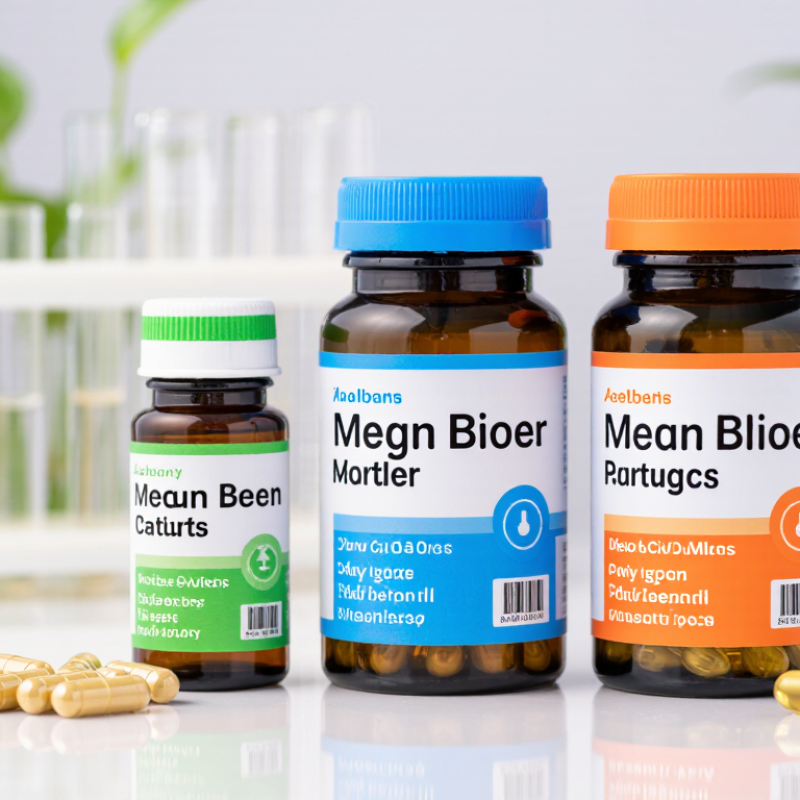
Read the “Supplement Facts” panel closely. Note the amount of berberine per serving, the number of capsules, and any added ingredients. A short ingredient list can make comparisons easier, though it does not prove quality. Look for independent testing information when available. I would not judge a supplement by milligrams alone; form, serving size, and tolerability all count. Sometimes the clearest label is the most useful one.
Check Ingredient Purity, Testing, and Manufacturer Quality
How to Choose the Best Berberine Supplement?
A useful label should identify the amount of berberine per serving and list other ingredients clearly. Check for unnecessary fillers, allergens, and vague “proprietary blend” amounts. Purity is not something you can confirm by appearance. Look for recent, batch-specific testing from an independent laboratory. A certificate of analysis should match the product lot and report ingredient identity, strength, and relevant contaminants, such as heavy metals or microbes. If the report is hard to find, ask the manufacturer for it.
Tips: Compare the serving size, not just the bottle price. Check the lot number. Keep the testing report.
Manufacturer quality matters, too. Look for clear contact details, traceable batch numbers, and information about quality controls. Good manufacturing practices are a useful sign of process, but they do not prove that every product has been independently tested. Labels can still be confusing, even when they look polished. Be cautious of dramatic health promises; supplement quality checks cannot establish that a product is right for your needs. Berberine may interact with medicines, so discuss use with a qualified healthcare professional, especially if you take prescription drugs or have a health condition.
How to Choose a Berberine Supplement
Quality checklist: verify each item using current, batch-specific documentation. Bars indicate checks to review—not product ratings or test results.
Look for a batch-specific certificate of analysis from an independent laboratory. Check that it identifies the ingredient and reports berberine content, relevant contaminant testing, and—where available—disintegration or dissolution results. Review manufacturer quality practices, such as good manufacturing practice (GMP); certification or testing should be verified rather than assumed.
Review Safety, Side Effects, and Medication Interactions
Berberine is not automatically gentle because it comes from plants.
The U.S. National Center for Complementary and Integrative Health (NCCIH) lists abdominal pain, constipation, diarrhea, nausea, and vomiting among reported side effects. These symptoms can disrupt meals or make a daily dose difficult to tolerate. Check the amount per serving, since products can differ in dose and formulation. Evidence is uneven. A supplement label alone cannot tell you whether a product is suitable alongside your medicines.
Medication interactions deserve particular care.
A 2005 clinical pharmacokinetic study in renal-transplant recipients reported a 34.5% increase in cyclosporine blood concentrations when participants used berberine. That finding does not predict the same effect for everyone, but it is clinically important. The NCCIH specifically notes this interaction. People taking prescription medicines should ask a pharmacist or clinician to review the full medication list before using berberine. This includes medicines for blood sugar or blood pressure; do not adjust prescribed doses yourself. NCCIH advises against berberine during pregnancy or breastfeeding and for infants, because of potential risks involving bilirubin. When the evidence feels incomplete, caution is not a failure. It is a reasonable part of choosing a supplement.
Compare Cost and Choose a Supplement That Fits Your Needs
How to Choose the Best Berberine Supplement?
Compare Cost and Choose a Supplement That Fits Your Needs
A low shelf price can hide a high daily cost. Compare the price per serving, then check how much berberine each serving provides. For example, a hypothetical $18 bottle with 60 servings costs 30 cents per serving. A $24 bottle with 120 servings costs 20 cents. Not equivalent. Compare products only when their labeled amounts and serving directions are similar. Prices shift, and online discounts may not last.
Check the Supplement Facts panel, serving count, and testing information before buying. The Council for Responsible Nutrition’s 2023 Consumer Survey found that 74% of U.S. adults use dietary supplements. That broad figure is not berberine-specific, but it shows why clear cost comparisons matter.
The National Center for Complementary and Integrative Health notes that berberine may cause digestive side effects and interact with medicines. A cheaper bottle may not suit your situation. Ask a qualified health professional about possible interactions, especially if you take medication. Independent testing can add useful quality information, but it does not prove a supplement will work for you.
A detail I’d still question: labels do not always make product comparisons easy.