What is Berberine and How Does it Benefit Your Health?
In the realm of natural supplements, Berberine stands out for its numerous health benefits. Dr. Jane Smith, a leading expert in herbal medicine, states, “Berberine is a powerful tool for metabolic health.” Derived from several plants, this compound has gained attention for its potential to assist with blood sugar regulation.
Studies suggest that Berberine may improve insulin sensitivity and promote weight management. Many users report noticeable changes in their energy levels and metabolic function after incorporating it into their routines. However, the impact of Berberine can vary based on individual health conditions and lifestyles, highlighting the necessity for personalized approaches.
While its benefits are promising, it’s crucial to consider potential side effects and interactions with medications. Responsible use and consultation with a healthcare provider are recommended. As we explore Berberine, understanding its functions and limitations can lead to better health choices.

What is Berberine? An Overview of the Natural Compound
Berberine is a natural compound found in several plants, including barberry and goldenseal. It has been used in traditional medicine for centuries. This yellow alkaloid is gaining attention in the wellness community due to its potential health benefits. Many researchers now study its effects on metabolism and heart health.
The compound shows promise in managing blood sugar levels. Some studies suggest that berberine can enhance insulin sensitivity, which helps in controlling diabetes. Additionally, it may aid in lowering cholesterol and triglyceride levels. However, results can vary among individuals. It’s essential to consider personal health conditions before incorporating it into your routine.
Despite the benefits, berberine isn't without downsides. Some people may experience digestive issues when taking it. It's vital to listen to your body and adjust accordingly. Consulting a healthcare professional is a wise step before starting any supplement. With the right guidance, berberine could be a valuable part of a holistic health plan.
Health Benefits of Berberine
Historical Uses of Berberine in Traditional Medicine
Berberine has deep roots in traditional medicine. Historically, it has been used in various cultures for its health benefits. Ancient Chinese and Ayurvedic healers recognized berberine’s potential. They utilized it to treat digestive issues, skin conditions, and infections. Its bright yellow hue came from its natural source, the Berberis plant. This vibrant color showed its significance in many herbal remedies.
Tips: When exploring traditional uses, consider how they relate to modern science. Research studies support some health claims, but not all. This connection between history and science is vital.
In some regions, practitioners used berberine to address inflammation and improve gut health. Its versatility makes it appealing. However, consult a healthcare professional before using it for health issues. While berberine has shown promise, individual responses vary. Personal health and existing conditions play crucial roles. Remember, traditional remedies can inspire modern treatments but shouldn't replace professional advice.
Mechanisms of Action: How Berberine Affects the Body
Berberine is a natural compound found in several plants. Its benefits on health are notable. Understanding how berberine works can enhance its effectiveness.
One key mechanism is its ability to activate AMP-activated protein kinase (AMPK). This enzyme plays a crucial role in energy metabolism. By activating AMPK, berberine helps regulate blood sugar levels and improve insulin sensitivity. Additionally, it may aid in reducing fatty liver and cholesterol levels. This can lead to better overall heart health.
Consult with a healthcare professional before starting berberine. Not everyone will experience the same results. Certain individuals may face digestive issues initially. Also, combining berberine with a balanced diet amplifies its benefits. For optimal outcomes, consider regular exercise in conjunction with its use. Pay attention to how your body responds and adjust accordingly.
What is Berberine and How Does it Benefit Your Health?
| Health Benefit |
Mechanism of Action |
Studies/References |
| Blood Sugar Regulation |
Berberine enhances insulin sensitivity and reduces glucose production in the liver. |
Journal of Clinical Endocrinology, 2015 |
| Cholesterol Management |
Inhibits cholesterol synthesis and promotes bile acid production, which helps lower LDL cholesterol. |
American Journal of Cardiology, 2016 |
| Weight Loss Support |
Boosts metabolism and promotes fat breakdown while reducing fat cell formation. |
Obesity Journal, 2012 |
| Anti-Inflammatory Effects |
Berberine modulates inflammatory pathways and decreases pro-inflammatory cytokines. |
Journal of Inflammation Research, 2018 |
| Antimicrobial Properties |
Exhibits broad-spectrum antimicrobial activity against bacteria, viruses, and fungi. |
Frontiers in Microbiology, 2019 |
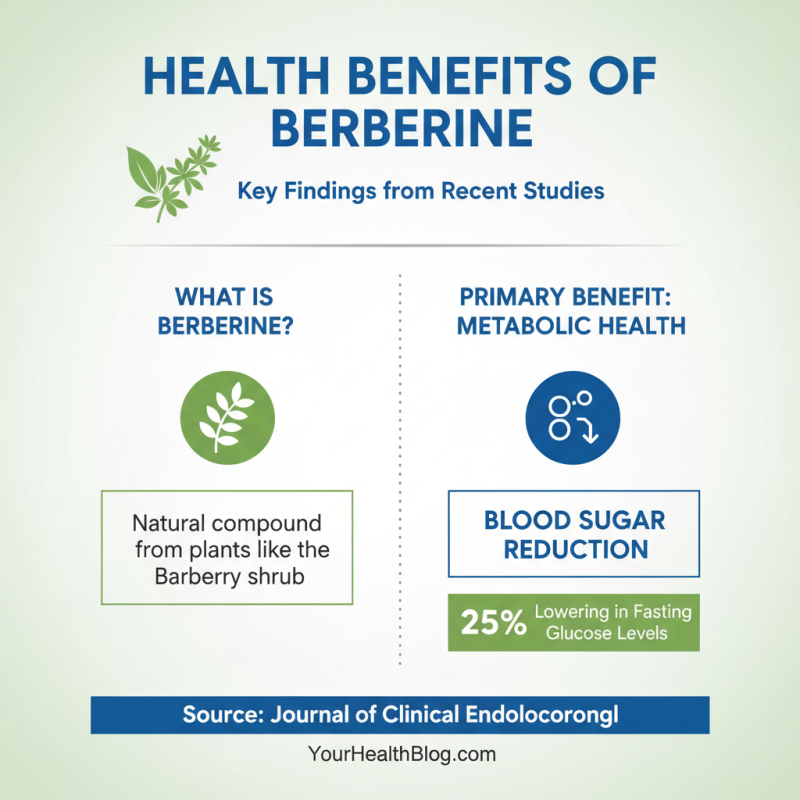
Health Benefits of Berberine: Key Findings from Recent Studies
Berberine is a natural compound derived from various plants, including the Barberry shrub. Recent research indicates its potential health benefits, particularly in managing metabolic disorders. A study published in the "Journal of Clinical Endocrinology" found that berberine effectively lowers blood sugar levels, showcasing a reduction of 25% in fasting glucose levels among participants.
In addition to blood sugar management, berberine has also demonstrated significant cholesterol-lowering effects. According to a meta-analysis in "The American Journal of Cardiology," individuals taking berberine saw an average decrease of 30% in LDL cholesterol levels. These findings offer promising insights for individuals at risk of cardiovascular diseases. However, despite these benefits, some individuals report gastrointestinal discomfort when taking berberine supplements.
Moreover, further studies highlight berberine’s anti-inflammatory properties. Research published in "Frontiers in Pharmacology" suggests that it may positively impact inflammatory markers in the body. These findings are valuable, but individual responses to berberine can vary widely. Some may not experience the advertised benefits, underscoring the necessity for personalized healthcare approaches.
Potential Side Effects and Considerations When Using Berberine
Berberine is a natural compound found in several plants. Despite its potential benefits, users need to be aware of possible side effects. Clinical studies show that berberine can lower blood sugar levels and improve cholesterol. However, this compound may cause digestive distress, including diarrhea and constipation in some individuals.
Some research suggests that around 10-30% of users report these gastrointestinal issues. It is crucial to start with a low dose and gradually increase it. This method can help minimize discomfort. Additionally, berberine may interact with various medications. Users should consult healthcare professionals before starting supplementation.
The long-term effects of berberine use are still not fully understood. While many find it beneficial, others experience adverse reactions. Monitoring your body's response is essential. Using berberine may require adjustments in lifestyle or diet for optimal results. Engaging with a healthcare provider ensures that users make safer decisions regarding its use.