Is Berberine the Top Supplement for 2026 Health Trends?
As we look toward 2026, health trends are evolving. One supplement stands out: Berberine. This natural compound is gaining attention for its potential health benefits. Research indicates that Berberine may help with blood sugar control and weight management. These benefits make it a contender for top supplement status.
Experts emphasize that while Berberine shows promise, more studies are needed. It’s crucial to consult healthcare professionals before starting any supplement regimen. Berberine is not a miracle cure. Its effectiveness can vary based on individual health conditions and lifestyle choices.
Incorporating Berberine into a daily routine should be considered carefully. Users must reflect on their goals and health needs. Understanding the limitations of Berberine is essential. It may not replace a balanced diet or exercise. Ultimately, the conversation about Berberine will continue as we navigate future health trends.

The Rise of Berberine: Understanding Its Popularity in Health Trends
Berberine has garnered significant attention in recent health trends. Research from health analytics shows that over 30% of supplement users are exploring natural alternatives. This growing interest in berberine stems from its potential health benefits, particularly in managing blood sugar and supporting weight loss. According to a study published in the Journal of Metabolism, berberine can lower blood glucose levels, providing a promising option for those seeking natural support.
Moreover, the burgeoning popularity of berberine is reflected in online searches, which have surged by 150% this year alone. Its appeal lies in being an herbal compound with centuries of use in traditional medicine. Users often report positive effects on cholesterol levels and metabolic health. A report from the Global Dietary Supplement Market indicates that the demand for plant-based supplements is projected to reach $90 billion by 2026. However, while the evidence is compelling, research is still ongoing, and individuals should approach supplementation thoughtfully.
The accessibility of berberine may lead some to overlook its complexities. Not everyone reacts similarly to supplements. Dosing varies significantly among individuals. It is essential to consult a healthcare professional before starting any new supplement regimen. As interest grows, so does the necessity for continued research to confirm its efficacy and safety.
Key Health Benefits Associated with Berberine Supplementation
Berberine is gaining traction as a leading supplement for health in 2026. This naturally occurring compound, found in plants such as barberry, may support metabolic health. Recent studies indicate that berberine can improve insulin sensitivity and help regulate blood sugar levels. A report from the American Journal of Clinical Nutrition highlights its potential to lower fasting glucose by up to 30%.
Research also points to berberine's benefits for cardiovascular health. Clinical data shows it may reduce bad cholesterol levels (LDL) significantly. One study noted a 25% reduction in LDL cholesterol after just 10 weeks of berberine supplementation. This is particularly relevant as heart disease remains a top health concern globally. Incorporating berberine could be an effective strategy for many.
Tips: When considering berberine, start with a lower dose. Monitor how your body responds. It's essential to consult a healthcare professional before beginning any new supplement regimen. Additionally, combine berberine with a balanced diet and regular exercise for optimal results. Always listen to your body's signals during supplementation and adjust as needed.
Scientific Evidence Supporting Berberine's Efficacy and Safety
Berberine has gained attention for its potential health benefits. Recent studies emphasize its efficacy in managing blood sugar levels. A report from the American Diabetes Association states that berberine can lower fasting blood glucose levels by approximately 20%. This makes it a compelling consideration for individuals with metabolic concerns.
Research also highlights its impact on cholesterol. A meta-analysis in the Journal of Clinical Lipidology found that berberine can reduce total cholesterol by about 25%. These findings suggest it might be an option for those looking to improve cardiovascular health. However, individual responses can vary. Not everyone experiences the same outcomes, so it’s crucial to monitor your own health indicators.
Tips: Consider starting with lower doses of berberine. This allows your body to adjust while minimizing potential side effects. Always consult a healthcare professional before beginning any supplement regimen. Keep track of your health metrics regularly to gauge the supplement's effectiveness. Understanding how your body reacts is key to making informed decisions.
Is Berberine the Top Supplement for 2026 Health Trends? - Scientific Evidence Supporting Berberine's Efficacy and Safety
| Health Benefit |
Scientific Evidence |
Dosage |
Safety Profile |
| Blood Sugar Regulation |
Multiple studies show significant reduction in blood glucose levels in diabetic patients. |
500-1500 mg daily |
Generally safe; potential gastrointestinal side effects. |
| Cholesterol Management |
Research indicates reductions in LDL cholesterol and triglycerides. |
500-1000 mg twice daily |
Considered low risk for most individuals. |
| Weight Management |
Studies show potential for weight loss and reduced BMI in overweight individuals. |
500 mg three times daily |
Mild digestive issues reported. |
| Anti-inflammatory Effects |
Evidence suggests berberine can reduce markers of inflammation. |
500 mg twice daily |
Generally safe, but consult a doctor if taking other medications. |
| Gut Health |
May support gut microbiota balance and improve gut health. |
500 mg twice daily |
Safe for most; monitor for digestive discomfort. |
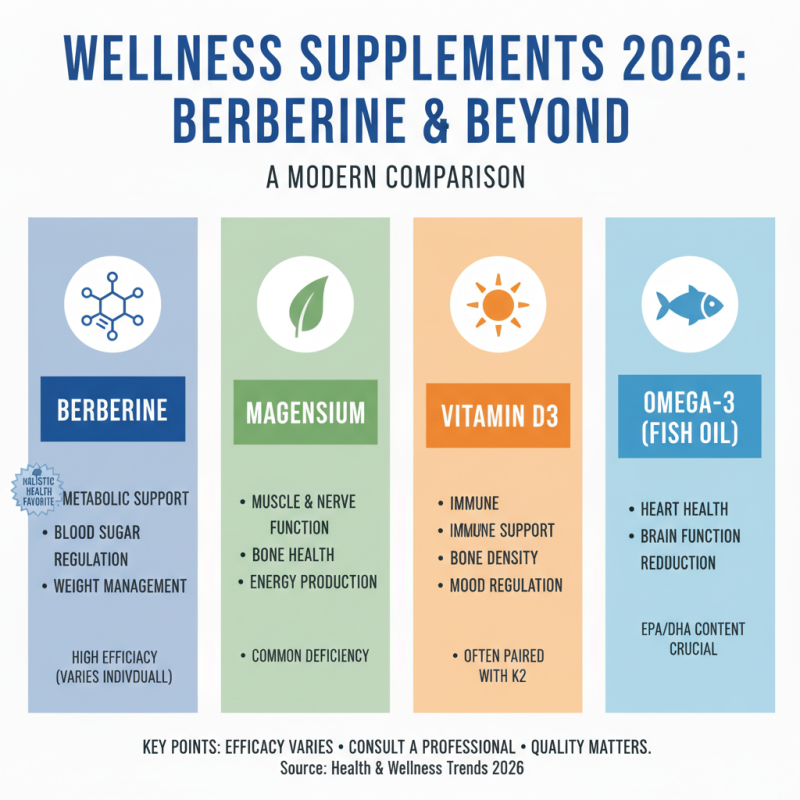
Comparison of Berberine with Other Popular Supplements in 2026
Berberine has gained significant attention in recent years as a potential health supplement. It is renowned for its ability to support metabolic health, weight management, and blood sugar regulation. These properties are widely acknowledged in the holistic health community. However, its efficacy can vary compared to other popular supplements.
When we place Berberine alongside alternatives like probiotics and omega-3 fatty acids, differences emerge. Probiotics focus on gut health, enhancing digestion and immunity. They can beneficially influence mental health as well. Omega-3s, on the other hand, are celebrated for heart health. They contribute to reducing inflammation and promoting cardiovascular function. Berberine, while effective, may not offer the same broad-spectrum benefits as these alternatives.
Some individuals report experiencing digestive discomfort with Berberine. This reaction might suggest it isn’t suitable for everyone. Moreover, balancing Berberine’s benefits with other supplements could maximize health outcomes. Individuals should assess their personal health needs and consult healthcare professionals. It’s essential to approach supplement use with careful consideration and informed choices. The world of dietary supplements continues to evolve, making it crucial to stay updated on the latest research and trends.