Buying Berberis vulgaris extract in bulk can look simple until supplier quotes, samples, and specifications start to differ. A low price may catch your eye, but it tells you little about identity, consistency, or handling. The useful details are often less flashy: the botanical name on the specification sheet, the plant part used, the extraction method, and the stated active-compound range. Check that the product description and supporting documents agree. Details matter.
Before placing a large order, ask for a recent certificate of analysis linked to the actual batch, not only a generic example. Review identity and purity testing, contaminant limits, storage guidance, packaging, and shelf life. If a detail is unclear, request clarification in writing. A sample can help you assess color, odor, and handling, but appearance alone cannot verify quality. That is not enough. Confirm minimum order quantities, lead times, and what happens if a shipment does not match its agreed specification. Keep those terms in your records.
Reliable purchasing depends on evidence and clear communication, not confident sales language. Compare suppliers using the same questions, and consider an independent review when the order’s scale or intended use warrants it. Even careful buyers can overlook a line in a technical sheet; take time to read it twice. These seven tips offer a practical starting point for assessing suppliers and making a more informed bulk purchase.
Berberis vulgaris extract comes from barberry plant materials, including roots, bark, and fruit. These parts are not interchangeable. Their natural compounds and strengths can differ significantly. In bulk purchasing, the extract form matters as much as the plant name.
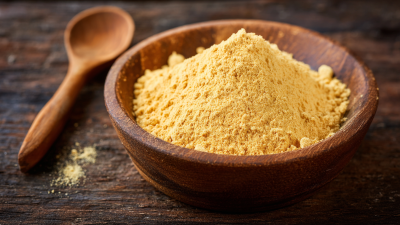
Powdered extract is easy to weigh and blend into capsules or dry formulations. Standardized powder offers a stated marker-compound level, but testing should confirm that claim. Liquid extracts may disperse quickly, yet they need careful control of solvents, shelf life, and microbial quality. Granules can reduce dust during production. They may cost more. A certificate of analysis should show botanical identity, extraction details, moisture, heavy metals, pesticides, and microbiological results. A clean label is not enough.
Tip: Ask whether the material uses root, bark, or fruit. This small detail prevents major formulation errors.
Tip: Request a recent batch sample before placing a large order. Compare color, odor, flow, and laboratory data. I once assumed a darker powder was stronger. That was only an assumption, not evidence. Verify the marker compounds with an independent laboratory when practical. Also check packaging, storage temperature, and traceability from harvest to shipment. Supplier documentation can look professional while leaving important gaps. Your purchasing record should note the botanical name, plant part, extraction ratio, test methods, and batch number.
Tip 1: Define the final use before contacting suppliers. Food, cosmetic, and research applications need different quality criteria. Your intended format also matters, such as capsules, liquid formulas, or topical products.
Tip 2: Specify the plant material clearly. State whether you need root, bark, fruit, or a blended part. Botanical identity should be confirmed through supplier documentation and suitable testing.
Tip 3: Set the active-compound requirement carefully. If berberine content matters, request a defined assay range and testing method. Extraction ratios alone can mislead. They are not always comparable.
Tip 4: Describe the extraction process you will accept. Water, ethanol, or mixed-solvent extraction can produce different colors, odors, and solubility. These details affect manufacturing performance.
Tip 5: Request a complete specification sheet. Include moisture, particle size, appearance, microbial limits, heavy metals, and pesticide residues. Ask for a batch-specific certificate of analysis.
Tip 6: Check stability requirements before buying. Ask about storage temperature, shelf life, packaging barriers, and transport conditions. A dark, sealed inner liner may protect quality during long shipment.
Tip 7: Match testing depth to risk. Independent identity and purity testing can strengthen purchasing decisions. It may feel excessive for a small order, but bulk errors become expensive quickly.
Keep every requirement measurable. “High quality” is too vague. A written specification should include acceptable limits, test methods, and document review procedures. I once underestimated the importance of solubility data; the powder met its assay target but performed poorly in the intended formula.
When buying Berberis vulgaris extract in bulk, ask who verifies the plant identity and how. An experienced supplier should explain which plant part is used, where it is sourced, and how each batch is checked. Ask for representative test reports, not just a polished product sheet. Look for the lot number, botanical identification method, extraction details, and results for relevant quality and contaminant checks. Ask for specifics.
Traceability should connect the finished extract to its raw material records. Request a sample chain of documentation, with supplier names or locations, harvest or receipt dates, and batch codes that match across records. Check whether the supplier keeps retain samples and can investigate a complaint using a particular lot number. A quick, clear answer matters. So does a clear process for notifying buyers when sourcing or production changes.
A tidy spreadsheet is not proof by itself. Compare documents with the actual sample label, and ask about gaps or inconsistent dates before placing a large order. A mismatch may have a simple explanation, but do not assume. I have seen purchasing teams focus on price and overlook whether records are easy to retrieve. That is an avoidable risk. Ask the supplier to walk through one batch from source to shipment, and note where the explanation feels vague.
| # | Assessment dimension | What to request or verify | Good evidence | Warning signs |
|---|---|---|---|---|
| 1 | Botanical identity and plant part | Confirm the botanical name, Berberis vulgaris, and the plant part used, such as root, root bark, or stem bark. Ensure these details match the product specification. | A written raw-material specification and batch records identifying the species and plant part. | Vague descriptions such as “barberry extract,” or inconsistent plant-part information across documents. |
| 2 | Supplier expertise | Ask how the supplier controls botanical identification, incoming-material acceptance, extraction, and batch-to-batch consistency. | Documented procedures, trained quality personnel, defined specifications, and clear responses to technical questions. | No documented quality process or inability to explain how the extract is identified and controlled. |
| 3 | Extraction and composition | Request the extraction solvent, extract ratio or equivalent manufacturing description, and the declared marker or constituent assay, if applicable. | A product specification that defines the assay method and acceptance range, plus process information relevant to your intended use. | An assay claim without a stated method, or unclear differences between the advertised extract and supplied material. |
| 4 | Traceability by lot | Check that each bulk shipment has a unique lot number linked to incoming botanical material, processing records, test results, and dispatch documents. | A sample lot-specific certificate of analysis (CoA) and a documented process for tracing lots through the supply chain. | Generic certificates, missing lot identifiers, or documents that cannot be matched to the shipment. |
| 5 | Testing and analytical methods | Review identity and composition tests and ask which methods are used. For processed extracts, chromatographic methods such as HPLC may be used for relevant constituent assays. | A lot-specific CoA showing results, units, methods, and applicable acceptance criteria; request supporting laboratory reports when needed. | Results with no method or units, or a CoA that reports only “pass” without defined criteria. |
| 6 | Contaminant and safety controls | Confirm risk-based testing for relevant contaminants, which may include heavy metals, pesticide residues, microbiological quality, and residual solvents where applicable. | Test results or a documented testing plan with limits appropriate to the destination market and intended application. | No defined limits, missing results for relevant risks, or reliance on unspecified “compliant” claims. |
| 7 | Bulk readiness and document control | Before placing a large order, confirm available lot sizes, lead times, packaging, storage conditions, shelf life, change notification, and the process for handling complaints or recalls. | Written order terms, current specification and CoA, packaging details, and documented procedures for changes and nonconforming product. | Unclear shelf-life or storage information, undocumented specification changes, or no defined complaint and recall process. |
Note: Testing requirements and acceptance limits should be agreed for the product’s intended use and applicable destination-market regulations.
When buying Berberis vulgaris extract in bulk, request a certificate of analysis tied to the exact lot—not a generic sample sheet. Check that botanical identity is confirmed using a suitable method, such as HPTLC, and that the stated plant part and extraction ratio match your specification. If berberine is a quality marker, ask for a validated HPLC assay and its acceptance range. Review results for heavy metals, microbes, pesticides, and residual solvents. A passing result matters only when the laboratory, methods, dates, and units are clear.
Paperwork can still mislead. Compare the supplier’s specification with the laboratory report, then check traceability records, manufacturing controls, and documentation required in your destination market. A certificate alone does not prove regulatory compliance. The U.S. market context is substantial: HerbalGram’s 2022 Herbal Supplement Market Report recorded $12.018 billion in U.S. herbal supplement sales, up 9.7% from 2021. CRN’s 2023 Consumer Survey reported that 74% of U.S. adults used supplements. These figures do not verify any extract, but they underline why buyers should preserve audit trails. Keep retained samples from received lots, and investigate results that sit just inside specification. That extra check may feel tedious. It is worth questioning.
Bulk quotes for Berberis vulgaris extract can hide important differences. Compare the cost per kilogram alongside extract ratio, standardization details, minimum order, and freight. Ask for a recent certificate of analysis showing identity and relevant quality tests. A cheaper quote may reflect a different specification, not a better deal. Check what each supplier includes.
Tips: Request samples before committing to a large order. Compare them against the stated specifications, and confirm that the sample and bulk lot use the same grade. Check the seal. I sometimes overlook freight and repacking costs when comparing quotes; they can change the real price.
Packaging and storage affect how easy a bulk purchase is to manage. Ask whether the extract comes in sealed, food-grade liners and whether smaller inner packs are available. Smaller packs can limit repeated exposure to air and moisture, though they may cost more. Confirm the recommended temperature, light, and humidity conditions, plus the stated shelf life. Store containers tightly closed in a dry area, and keep batch records. The best option depends on your storage space; that detail is easy to underestimate.
The chart presents an indicative purchasing comparison for standardized Berberis vulgaris extract. Larger orders generally reduce the estimated cost per kilogram, while packaging weight and storage capacity increase. Keep the extract in sealed, light-resistant packaging in a cool, dry location, and confirm the supplier’s specific temperature, humidity, and shelf-life requirements before ordering.