What is Berberine Extract Powder and Its Benefits for Health?
Berberine Extract Powder has gained significant attention in the health industry. Experts have highlighted its potential benefits for various health issues. Dr. Sarah Thompson, a leading researcher in herbal medicine, states, "Berberine Extract Powder could be a game-changer for metabolic health." This statement encapsulates the growing interest around this natural compound.
Berberine is derived from plants like barberry and goldenseal. It has been traditionally used in Chinese medicine. Recent studies show it may support heart health, manage blood sugar levels, and aid weight loss. Users of Berberine Extract Powder often report positive experiences. However, understanding its proper usage is crucial.
Not every benefit is guaranteed. Effects can vary among individuals. Some users might experience digestive discomfort. This unpredictability emphasizes the need for caution and research. Ultimately, Berberine Extract Powder holds promise, but more studies will enhance our understanding of its full potential.
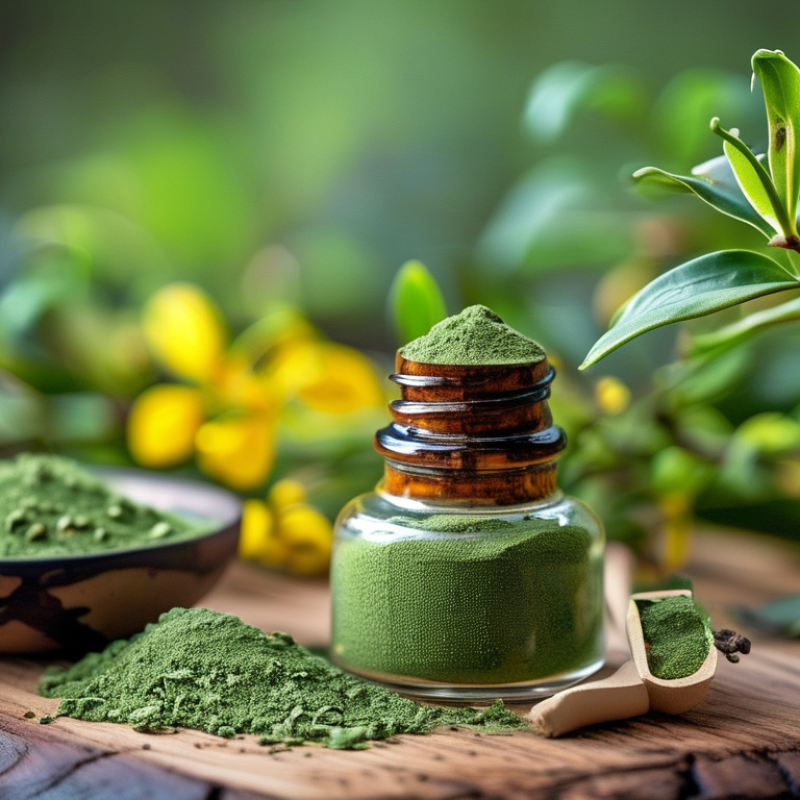
What is Berberine Extract Powder?
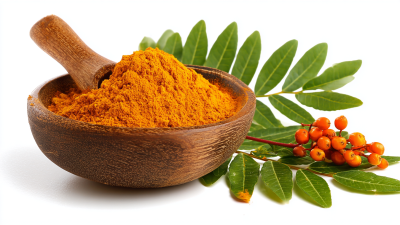
Berberine extract powder is derived from various plants, including goldenseal and barberry. This bright yellow compound has been used in traditional medicine for centuries. It belongs to a class of compounds known as alkaloids. Recent research highlights its potential health benefits, making it a popular supplement.
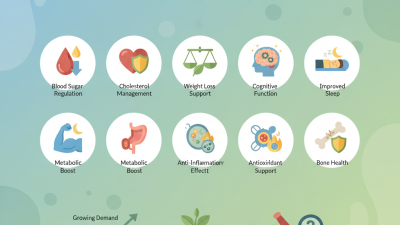
Studies suggest that berberine may assist in regulating blood sugar levels. This is particularly useful for individuals with type 2 diabetes. Some evidence also indicates its ability to improve cholesterol levels, which can contribute to heart health. However, the exact mechanisms of action remain under exploration. Each individual’s response may vary significantly, so personal observation is key.
Tips: When considering berberine, it’s crucial to consult with a healthcare professional. They can provide guidance based on your health history. Always start with a small dosage to observe how your body reacts. Monitoring for any side effects is essential in this process.
History and Traditional Uses of Berberine
Berberine has a rich history rooted in traditional medicine. Ancient cultures utilized berberine from various plants, particularly the barberry shrub. These practices date back thousands of years. Different civilizations, including Chinese and Ayurvedic cultures, recognized its medicinal value. They used it to treat various ailments.
The power of berberine lies in its versatility. Traditionally, it was applied for digestive issues, infections, and inflammation. Herbalists often prepared tinctures and teas to harness its benefits. In China, berberine has been a staple in herbal formulas for diabetes management. Similarly, in India, practitioners relied on its properties for balancing bodily functions.
Despite its benefits, practitioners faced challenges in standardizing dosages. The potency of berberine can vary based on extraction methods and sources. This inconsistency can lead to varying results in health outcomes. It underscores the necessity for caution and professional guidance when using berberine. Its historical applications remind us of the importance of traditional knowledge, even as we explore modern research.
Health Benefits of Berberine Extract Powder
Berberine extract powder is gaining attention for its numerous health benefits. This natural compound is derived from various plants, including barberry and goldenseal. It has been used for centuries in traditional medicine. Recent studies highlight its potential in managing blood sugar levels. Many have found success in using berberine to support metabolic health.
Research suggests that berberine may aid in weight management. It works by enhancing fat metabolism and regulating appetite. Some users report feeling full after smaller meals. However, individual responses can vary significantly. This variability creates a need for more personal experimentation and reflection on effective dosages.
Moreover, berberine is explored for its anti-inflammatory effects. It may help reduce inflammation linked to chronic diseases. Users might experience less discomfort over time. Still, individuals should stay aware of their body’s signals. Some individuals may face digestive challenges when starting. Monitoring and adjusting intake can prove beneficial for optimal results.
Dosage and Safety Considerations
Berberine extract powder has gained attention in the health community due to its potential benefits. However, understanding the appropriate dosage and safety considerations is crucial for safe use. Research indicates that effective doses typically range from 500 mg to 1500 mg per day, depending on individual health needs. A study published in the journal "Metabolism" highlighted that doses as low as 500 mg can significantly lower blood sugar levels in individuals with type 2 diabetes.
Safety is another important aspect. Although berberine is generally considered safe, side effects like gastrointestinal discomfort can occur. Reports suggest that approximately 10% of users experience these mild symptoms. Pregnant or breastfeeding women should avoid berberine due to limited safety data. Furthermore, it's essential to consult a healthcare provider before starting any new supplement regimen, especially for those with existing health conditions. While berberine shows promise, personal factors and medical history should guide its use for optimal results.
What is Berberine Extract Powder and Its Benefits for Health?
| Aspect |
Details |
| Source |
Extracted from plants like Goldenseal and Barberry. |
| Primary Benefits |
Supports metabolic health, helps regulate blood sugar levels, and may improve cholesterol levels. |
| Common Dosage |
500-1500 mg per day, divided into 2-3 doses. |
| Forms Available |
Powder, capsules, and tinctures. |
| Safety Considerations |
Generally safe for most individuals; may cause gastrointestinal upset in some cases. |
| Contraindications |
Pregnant or breastfeeding women and those with certain medical conditions should consult a healthcare provider. |
Potential Side Effects and Interactions of Berberine
Berberine extract powder is gaining attention for its potential health benefits. However, it is essential to be aware of its side effects and interactions with other medications. Common side effects include digestive upset, which manifests as diarrhea or constipation. Some individuals may experience a headache or a mild skin rash. These reactions can vary widely, making it crucial to monitor your body's response.
It's worth noting that berberine can interact with various medications. For example, it may enhance the effects of blood sugar-lowering drugs, leading to hypoglycemia. Additionally, it could interfere with medications metabolized by the liver, affecting their efficiency. Always consult a healthcare professional before starting berberine, especially if you are on other medications.
**Tips:** Start with a low dose to gauge your body’s reaction. If you experience any side effects, it's vital to pause and reassess. Track how you feel regularly. Engaging with a qualified healthcare provider can ensure safe usage and help fine-tune your dosage. Staying informed about how berberine interacts with your unique health profile is key to your wellness journey.
Benefits of Berberine Extract for Health