Why Choose Berberis Extract and Berberine Hcl for Your Needs?
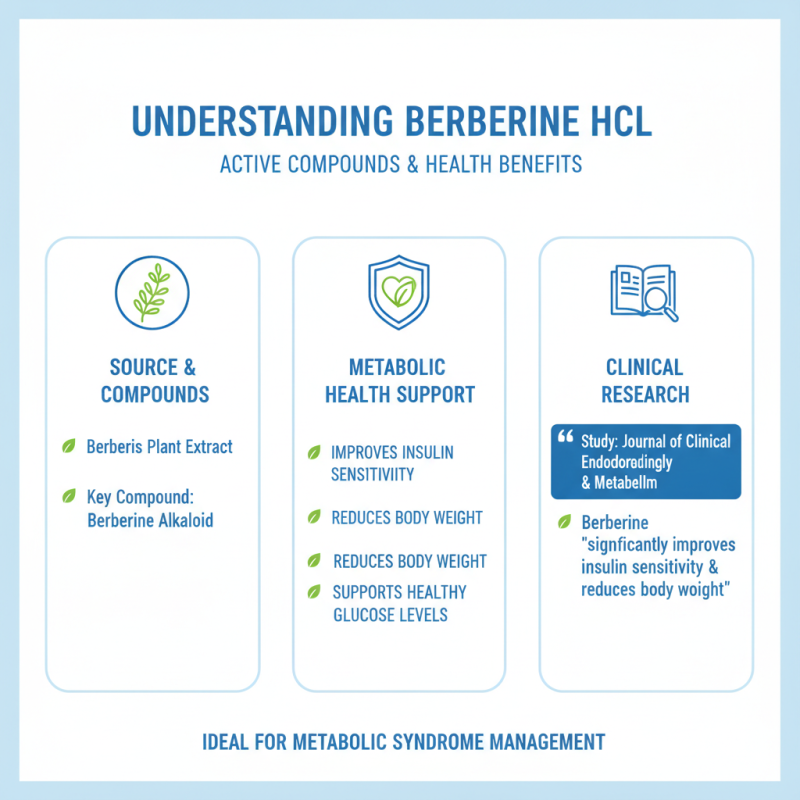
In recent years, the demand for natural supplements has surged. Consumers seek effective and safe alternatives. Berberis Extract and Berberine HCl have gained significant attention in this context. Research shows that berberine can support metabolic health and weight management. According to a study published in the Journal of Clinical Endocrinology, berberine has been linked to improved insulin sensitivity.
Further studies indicate that Berberis Extract has antioxidant properties. It may offer protective benefits against chronic diseases. A report from the National Institute of Health confirms its potential in enhancing cardiovascular health. However, dosage and source are crucial for effectiveness. Not all products on the market meet quality standards. Consumers must scrutinize specifics when choosing Berberis Extract and Berberine HCl.
The market landscape is evolving. Awareness about these compounds is growing. Yet, some claims may lack scientific backing. This calls for a critical approach to supplement selection. It’s essential to rely on credible sources and expert recommendations. Exploring Berberis Extract and Berberine HCl may lead to healthier lifestyle choices. Proper research and understanding can help maximize the benefits of these natural extracts.

Benefits of Berberis Extract in Traditional and Modern Herbal Medicine
Berberis extract, derived from the Berberis plant, has a rich history in herbal medicine. Its use dates back to ancient times, often for treating various ailments.
Modern research highlights its potential benefits, particularly in supporting metabolic health and reducing inflammation.
Studies show that berberine, a key compound in Berberis extract, can improve blood sugar levels. A clinical trial indicated that berberine helped lower blood glucose by about 20% in participants with type 2 diabetes. Another review found it reduced cholesterol levels effectively, which may help heart health. This data underscores its relevance in both traditional and modern medical practices.
The extract is also linked to antioxidant properties that can combat oxidative stress. However, while promising, more long-term studies are necessary to fully understand its effects. Not all individuals may respond positively, and side effects can arise. Therefore, consulting a healthcare professional before use is advisable, ensuring safety and efficacy tailored to individual needs.
Clinical Research: Efficacy of Berberine for Metabolic Health Issues
Berberine, a naturally occurring compound found in various plants, has garnered significant attention for its potential health benefits. Clinical research has shown that berberine can effectively support metabolic health. A meta-analysis published in the journal "Obesity" in 2019 identified that berberine supplementation significantly reduced body weight and fat mass across multiple studies.
The effects of berberine on blood sugar levels are especially noteworthy. Research published in "Diabetes Care" demonstrated that berberine can improve insulin sensitivity and help lower fasting blood glucose levels. Participants in this study showed an average reduction of 20% in blood glucose after 12 weeks of berberine treatment. Such outcomes highlight berberine's role in managing metabolic conditions.
However, translating these findings into everyday practice can be challenging. Individual responses to berberine may vary. Some users report gastrointestinal side effects like diarrhea, which can limit its effectiveness. Additionally, more extensive long-term studies are necessary to fully understand berberine's impact on metabolic health. This gap highlights the importance of consulting healthcare professionals before starting any new supplement regimen.
Comparative Analysis of Berberine and Other Natural Supplements
Berberine is gaining attention as a powerful natural supplement. Its health benefits are backed by numerous studies. Research indicates that berberine can effectively support metabolic health, particularly in managing blood sugar levels. A study published in 2012 showed a reduction in fasting blood glucose by 20% among participants using berberine.
Compared to other natural supplements, berberine stands out for its potency. For example, a comparative analysis found that berberine can lower blood lipids more effectively than some essential oils and herbal extracts. These findings underscore the unique role of berberine in health management, especially among individuals dealing with metabolic disorders.
However, the response to berberine can vary among individuals. Some people experience gastrointestinal effects, which may hinder consistent use. This variability highlights the need for tailored approaches to supplementation. It calls for additional research to explore optimal dosages and personal responses. The engagement of healthcare professionals can enhance the safe integration of berberine into health regimens, further solidifying its role as a valuable supplement.
Safety Profiles and Recommended Dosages of Berberis Extract and Berberine HCl
Berberis extract and berberine HCl have gained attention for their potential health benefits. Their safety profiles are crucial for individuals considering them. Research indicates that berberine is generally safe when used appropriately. A study published in the Journal of Ethnopharmacology found low incidences of adverse effects among participants, with gastrointestinal discomfort being the most reported issue. Users should be aware of individual sensitivities.
Dosage recommendations for berberine can vary. The typical effective dose is around 500 mg to 1500 mg daily. It’s essential to note that exceeding recommended dosages may lead to digestive issues, such as diarrhea or constipation. According to a report from the National Institutes of Health (NIH), starting with lower doses can help users assess tolerance before increasing the intake.
Consultation with a healthcare provider is advised, particularly for those with existing medical conditions or on medication. Although berberine poses minimal risks, its interaction with certain drugs can be problematic. Therefore, open communication with a healthcare professional is vital for safe use. This diligent approach ensures that individuals can maximize benefits while minimizing potential risks.