
Another Natural Anti-Aging Molecule: Oleuropein’s Market Value to Reach $1.42 Billion!
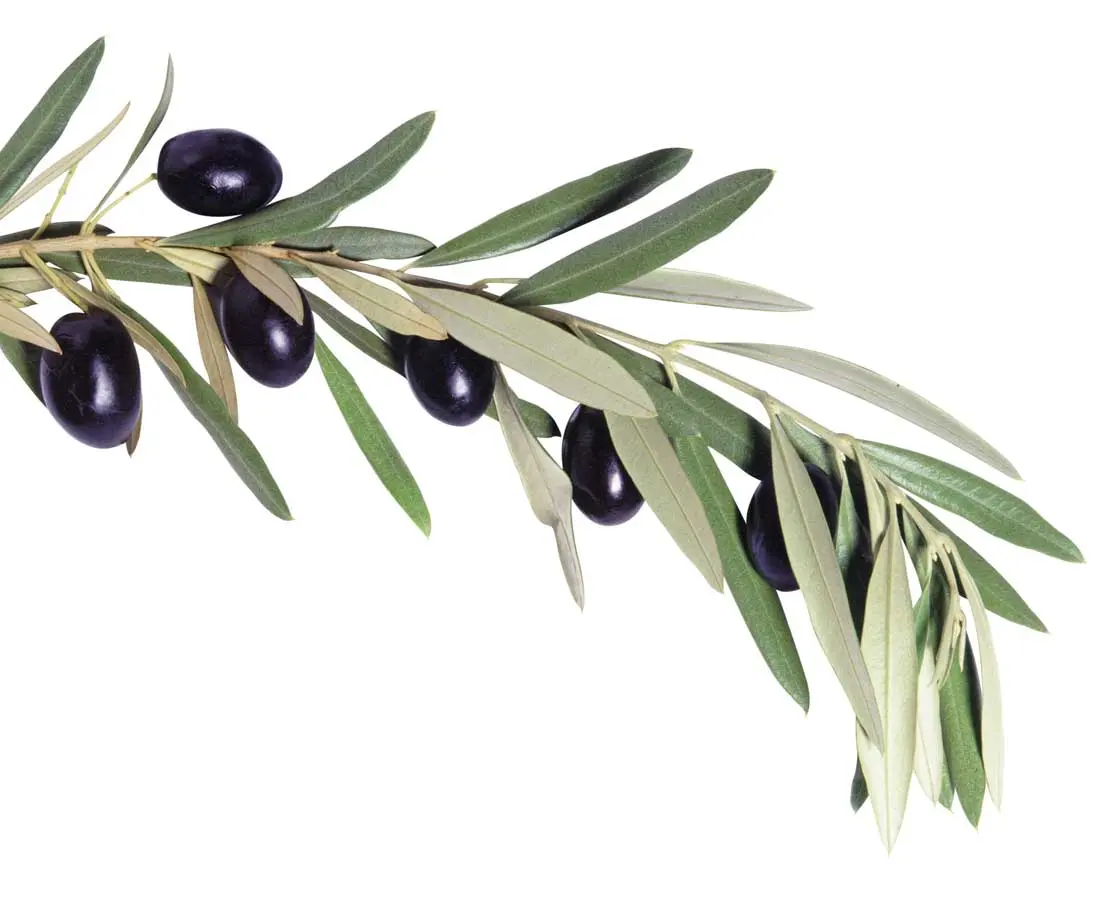
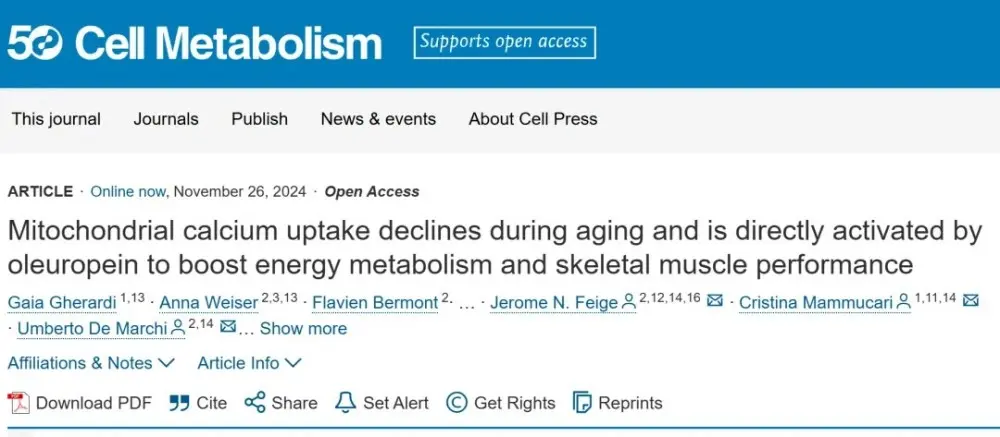
A new study published in Cell Metabolism on November 26, 2024, reveals the significant health potential of oleuropein, a natural polyphenol derived from olive leaves. The research highlights its ability to stimulate mitochondrial bioenergetics and enhance muscle performance, marking it as a promising anti-aging compound. The growing interest in oleuropein aligns with its rising market value, projected to reach $1.42 billion by 2031.
Urolithin A Shows Promise in Treating Alzheimer’s Disease
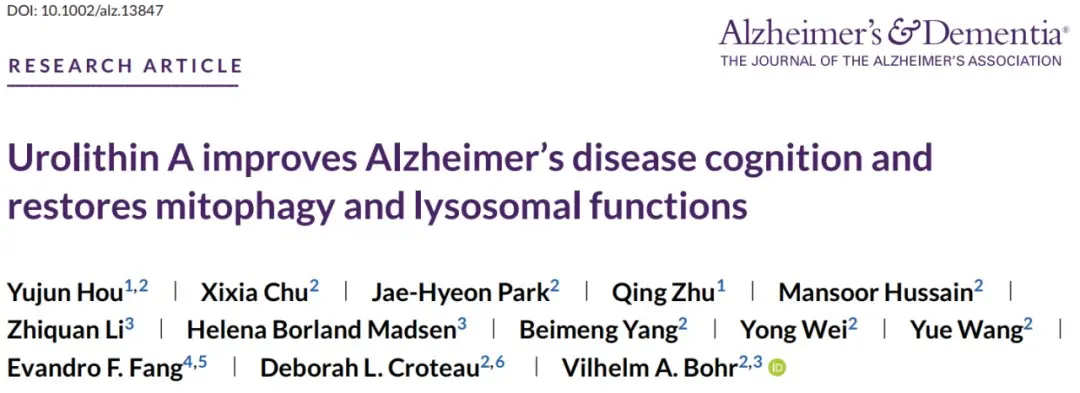
Recently, the team of Professor Hou Yujun from the School of Life Science and Technology of Tongji University/Tongji University Affiliated Dongfang Hospital published the latest research results, which found that long-term Urolithin A (UA) treatment significantly improved the learning, memory and olfactory functions of AD mice, and reduced Aβ and tau pathology.
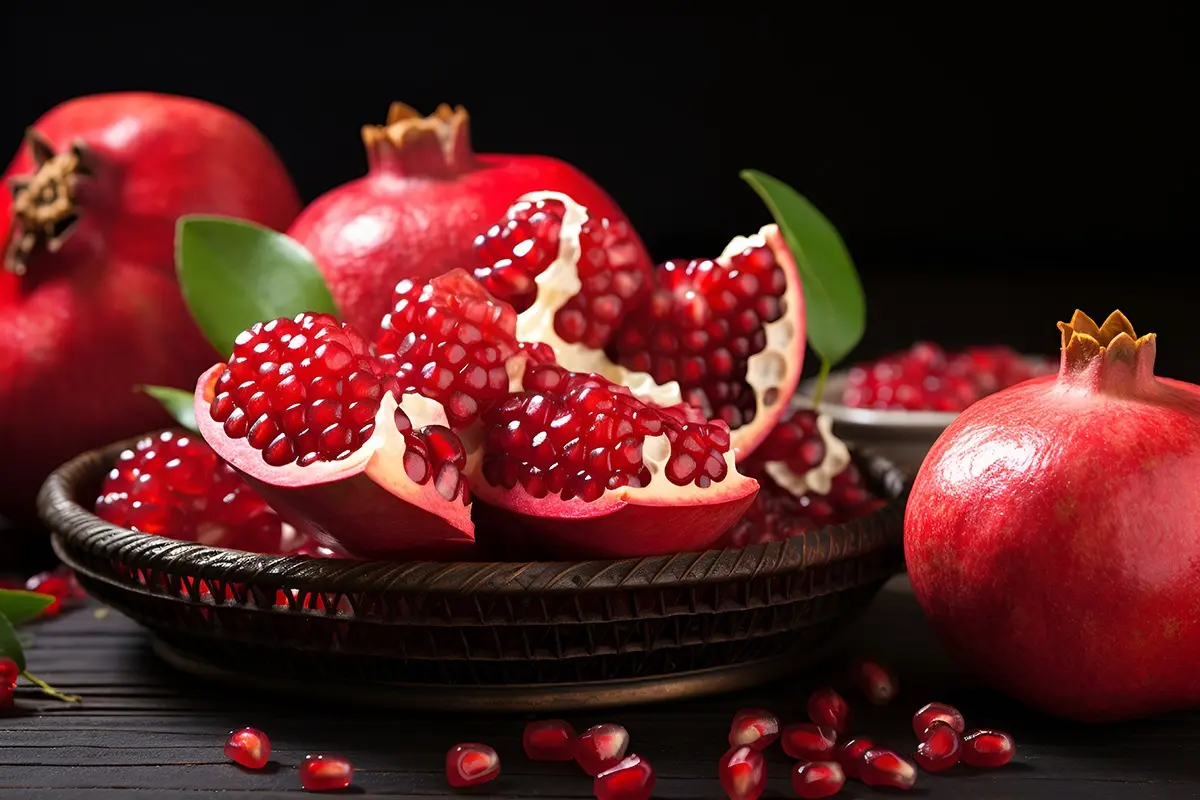
Urolithin A: Natural Breakthrough for Longevity
In the pursuit of health and beauty, new discoveries continually reshape our understanding of aging. One such groundbreaking compound is Urolithin A, a natural polyphenol metabolite with vast health benefits and promising applications across supplements, cosmetics, and medicine.
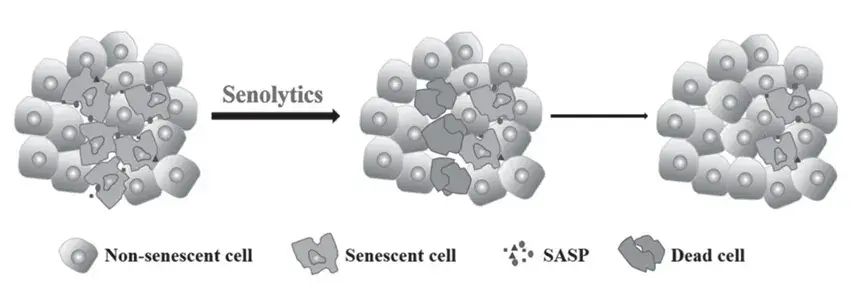
Senolytics: Fisetin, NMN, PQQ, and Other Compounds Revolutionizing Anti-Aging
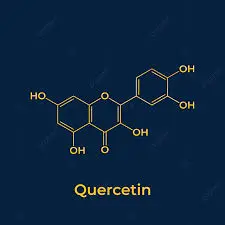
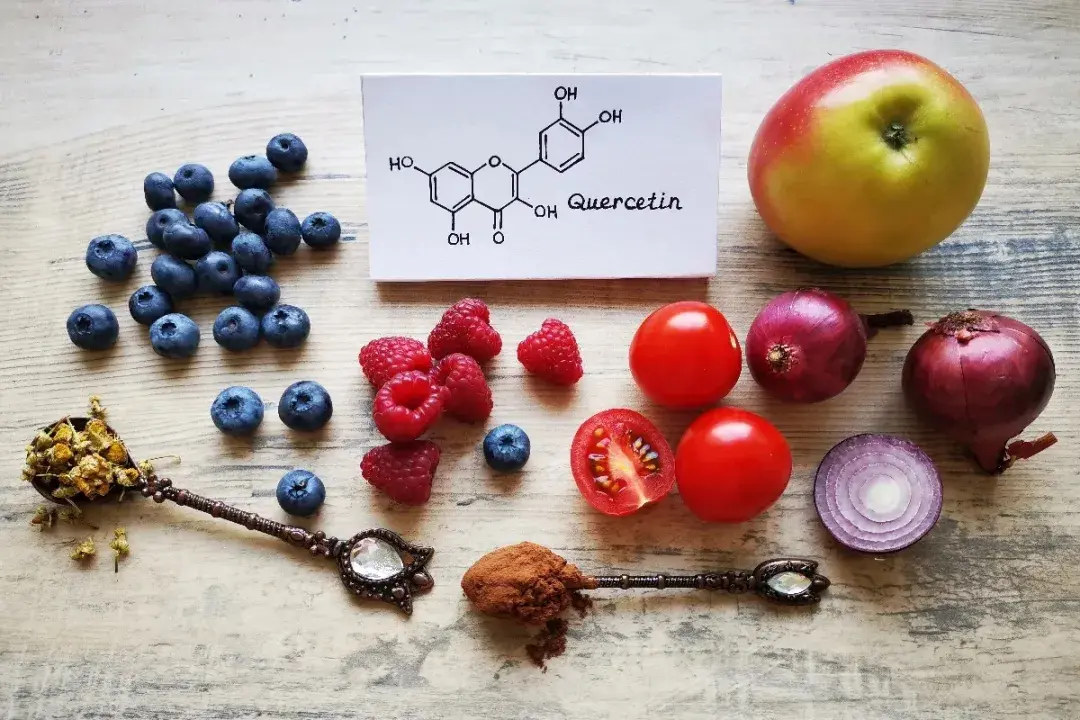
Background:In 2015, James Kirkland's laboratory at the Mayo Medical Center first discovered that the combination of Dasatinib and Quercetin can selectively induce apoptosis in senescent adipocytes and endothelial cells.
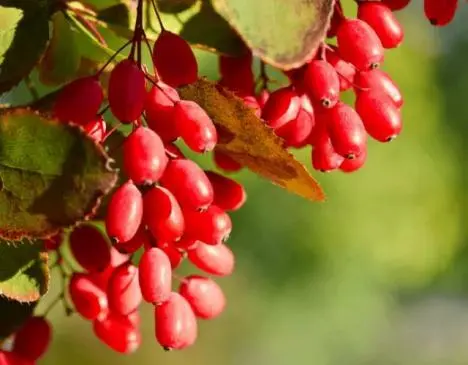
Berberine's Neuroprotective Effects: New Advances in Research
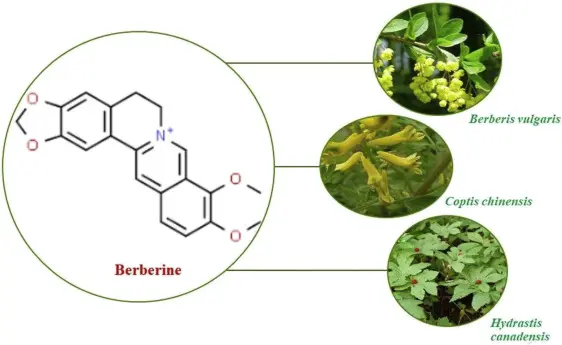
Berberine, a natural isoquinoline alkaloid extracted from Berberis aristata, has been clinically utilized for treating diarrhea. Recent studies reveal its broad neuroprotective properties, offering potential therapeutic solutions for Alzheimer’s disease (AD), depression, anxiety, neurological injuries, Parkinson’s disease (PD), epilepsy, and more.
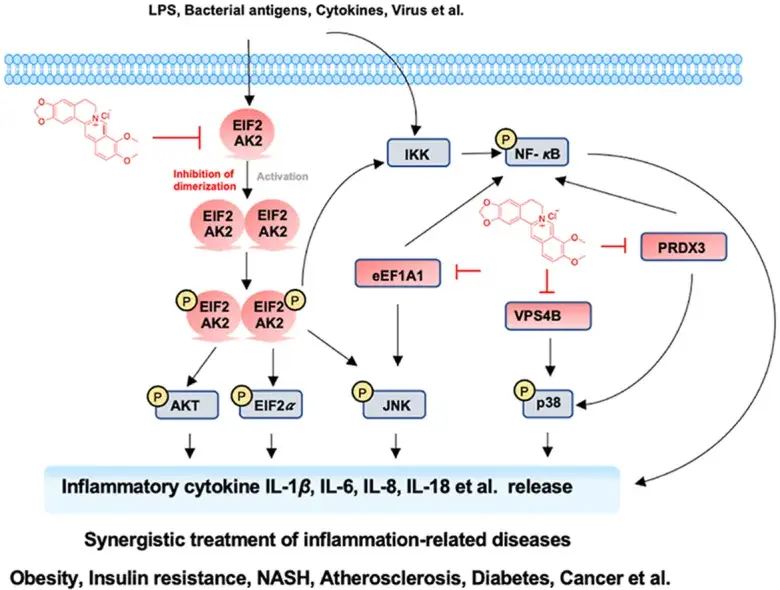
Discovery of EIF2AK2 as a Direct Key Target for Berberine’s Anti-Inflammatory Effects
A groundbreaking study recently published in Acta Pharmaceutica Sinica B (IF 14.5) uncovers the key mechanism behind berberine's (BBR) anti-inflammatory effects. This research identifies EIF2AK2 (also known as PKR) as a direct and crucial target of BBR, shedding light on how this widely regarded "miracle drug" exerts its therapeutic effects.
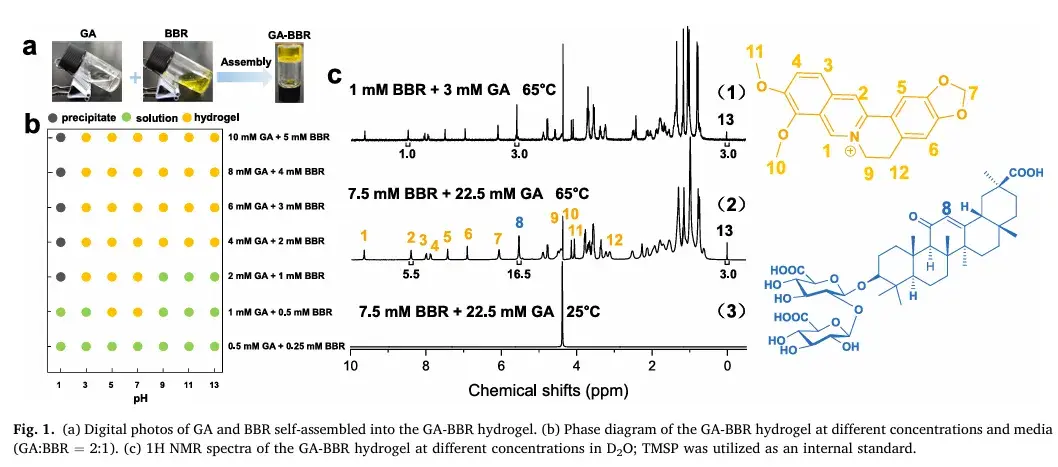
Self-Assembled GA-BBR Herbal Hydrogel Breakthrough for Ulcerative Colitis Treatment
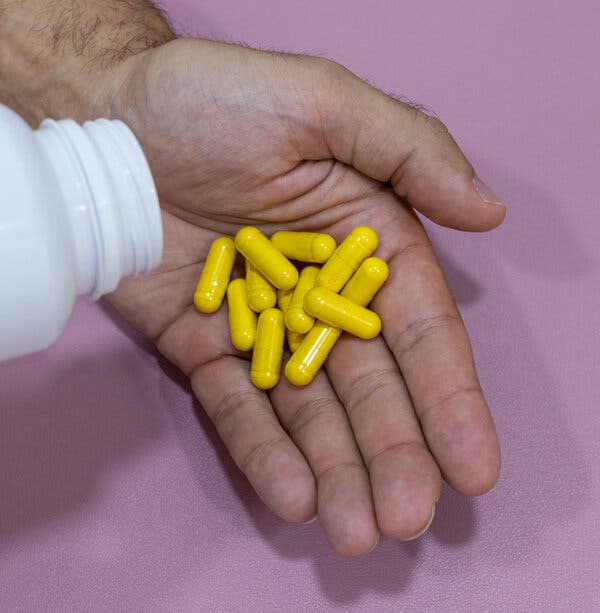
The “Natural Ozempic” Sparking Debate in Weight Loss Communities
Social media is blowing up with hashtags like #NaturesOzempic, and the star of the conversation isn’t a trendy new injection—it’s berberine, a compound found in plants like barberry and Oregon grape. Users worldwide swear by its ability to curb cravings, balance blood sugar, and even shed stubborn pounds. But why does Google bury these stories under ads for pharmaceuticals?