


The "Natural" Berberine You Bought May Not Be Natural At All

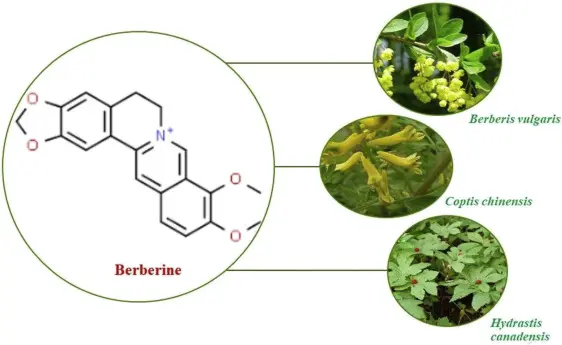
Berberine hydrochloride is an alkaloid extracted from plants such as Berberis aristata or Berberis Vulgaris or Phellodendron amurenseetc. Due to its blood sugar-lowering and antibacterial effects, it has become a globally popular Dietary Supplement ingredient in recent years. With surging market demand, synthetic berberine, due to its high yield (>80%) and low cost, has begun to infiltrate the health supplement market. Some raw material suppliers are adding varying proportions of synthetic berberine to their products to reduce costs; some even provide purely synthetic products, while their Certificates of Analysis (COA), labels, and various declarations all claim to be natural, thus passing off inferior products as superior ones. This harms food supplement manufacturers and, more importantly, damages consumers' health. A recent study from the University of Minnesota found that the chemical synthesis process may contain potent carcinogens such as nitrosamines, posing a significant health risk to long-term users.
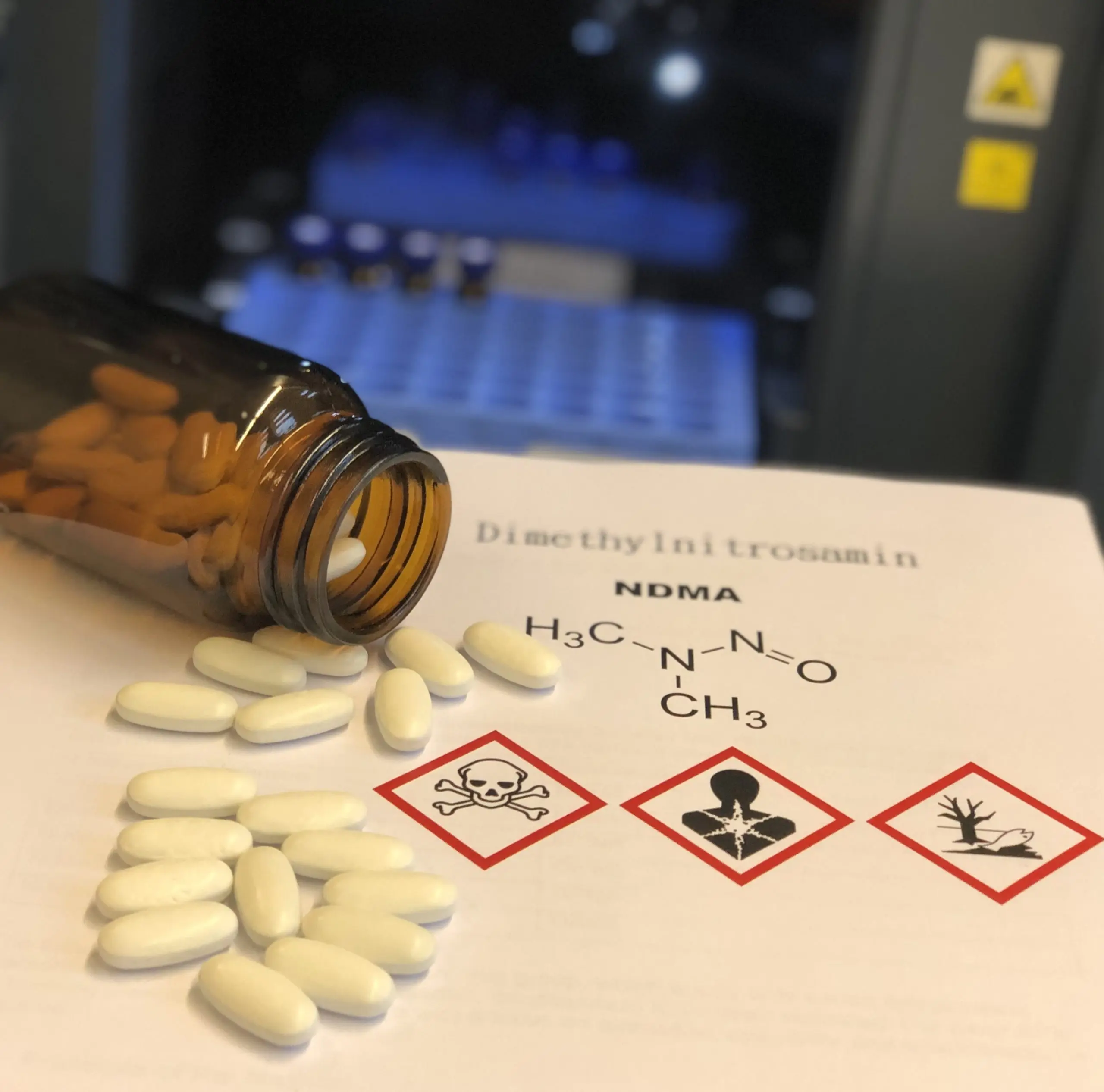
Nitrosamine salts are classified as Group 1/2A carcinogens by the World Health Organization (WHO) . In pharmaceutical synthesis, they are formed by the reaction of secondary amines with nitrosating agents (such as nitrites) in an acidic environment.
Studies show that:
Of the 12 synthetic routes for berberine hydrochloride , 10 contain nitrosamine intermediates (such as the key intermediate 1-(2-methoxyphenoxy)-3-(2-methoxyphenylamino)propane-2-ol), which are prone to forming nitrosamine impurities in the high-temperature steps catalyzed by hydrochloric acid .
This risk has precedents in the pharmaceutical industry: the antihypertensive drug valsartan and the hypoglycemic drug metformin were recalled globally due to nitrosamine contamination. Now, the regulatory vacuum in the nutritional supplement sector further amplifies this risk.
| Natural berberine | Synthetic berberine | |
| Raw material | Aqueous/ethanol extracts of plants such as Phellodendron bark and Berberis root | Petrochemical derivatives (such as o-dichlorobenzene and sodium cyanide) |
| Impurity risk | No nitrosamine formation pathway | Residues of nitrosamines and organic solvents (dichloromethane, benzene, etc.) |
| Molecular structure | Retains multiple synergistic alkaloids | Single compound, lacking plant synergistic effect |
| Regulatory requirements | Meets food-grade solvent standards (ICH Q3C) | Pharmaceutical-grade impurity control must be followed (ICH M7). |