





Berberine: A Natural Additive Revolutionizing Aquaculture
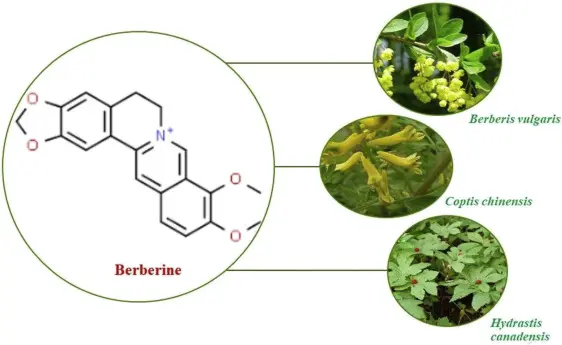
Berberine hydrochloride, a natuRal alkaloid extracted from plants like Coptis chinensis, is well-known for its broad-spectrum antibacterial, antifungal, anti-inflammatory, and immune-regulating properties. Recent studies reveal its versatility as a functional feed additive in aquaculture, enhancing the health and productivity of aquatic animals while ensuring environmental safety.
1. The Properties of Berberine
Berberine hydrochloride is derived from medicinal plants and is recognized as a safe, natural product with no residual effects in animals. Acting as a plant-based antibiotic, it offers effective prevention and treatment for diseases in aquaculture, livestock, and poultry farming.
2. Benefits of Berberine in Aquaculture
2.1 Antibacterial Effects
Berberine demonstrates efficacy against a range of Gram-positive and Gram-negative bacteria, such as Vibrio, Aeromonas, Streptococcus, and Pseudomonas species. By disrupting bacterial cell membranes and inhibiting protein synthesis, berberine effectively suppresses bacterial growth and prevents infections.
2.2 Antifungal Properties
Berberine also combats aquatic fungal pathogens like Saprolegnia by inhibiting the synthesis of ergosterol, a crucial component of fungal cell membranes.
2.3 Anti-Inflammatory Action
Berberine alleviates inflammation caused by bacterial, viral, or parasitic infections. It reduces swelling, redness, and pain associated with inflammation, ensuring the well-being of aquatic animals.
2.4 Immune Regulation
Berberine boosts the immune system of fish and shrimp by activating immune cells and increasing the production of antioxidants. This enhanced immunity improves disease resistance and promotes overall health.
3. Applications of Berberine
Berberine is used in various aquaculture applications:
- Disease Prevention and Treatment:
- Bacterial infections like vibriosis and Aeromonas-induced hemorrhagic septicemia.
- Fungal infections caused by Saprolegnia.
- Skin ulcers and other inflammatory conditions.
- Growth Stimulation:
Berberine enhances feed conversion rates (FCR) and overall health, promoting growth and productivity in aquatic animals.
- Water Quality Improvement:
By inhibiting algae and harmful microorganisms, berberine contributes to maintaining better water quality in aquaculture systems.
4. Experimental Insights
An experiment involving 320 silver carp (Hypophthalmichthys molitrix) divided into four groups revealed the benefits of berberine supplementation:
Groups were fed diets with varying compositions:
① Control diet (Control group).
② Control diet + 50 mg/kg berberine.
③ High-fat diet.
④ High-fat diet + 50 mg/kg berberine.
At the end of the feeding trial, a 5-day ammonia stress test was performed.
Key findings included:
- Fish fed high-fat diets supplemented with berberine exhibited improved immune parameters, including higher lysozyme activity and complement component levels (C3 and C4).
- Berberine reduced oxidative stress markers such as malondialdehyde (MDA) and protein carbonyl (PC) in the liver, while increasing antioxidant enzyme activity (SOD) and total sulfhydryl levels (T-SH).
- The cumulative mortality rate under ammonia stress was significantly lower in fish fed high-fat diets supplemented with berberine.
The study concluded that berberine acts as a functional additive, reducing oxidative stress, preventing cell apoptosis, and boosting immunity in fish fed high-fat diets.
5. Practical Usage
Aquaculture professionals recommend the following methods for incorporating berberine:
- Powder Form: Mix berberine powder into feed and coat it with an adhesive to prevent disintegration in water.
- Solution Form: Dissolve berberine in alcohol to create a solution for direct application, as it is naturally insoluble in water.
- Storage: Store berberine products in a cool, dry place away from direct sunlight.
Conclusion
Berberine is transforming aquaculture by offering a natural, effective, and safe solution for managing diseases, improving growth rates, and maintaining water quality. With its proven benefits and practical application methods, berberine is becoming an indispensable tool for sustainable and productive aquaculture practices.