
GABA Suppliers in China - High Purity 99% γ-Aminobutyric Acid White Powder from Reliable Factory

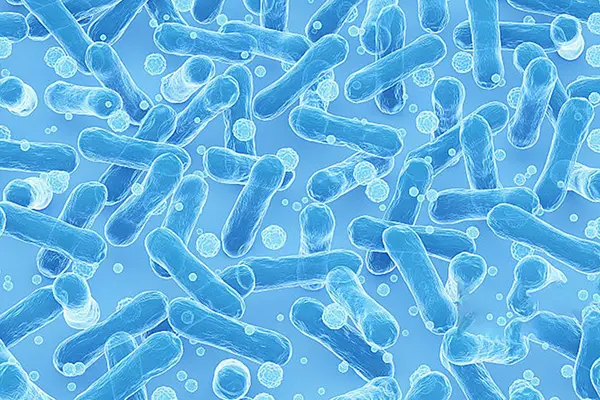
Gamma-Aminobutyric Acid (GABA) is a naturally occurring neurotransmitter that plays a critical role in reducing neuronal excitability throughout the nervous system. It is widely recognized for its calming effects on the brain, making it a popular supplement for promoting relaxation and improving sleep quality.
🧬 Fermentation Processes for Producing GABA
🧪 1. Lactic Acid Bacteria
GABA can be produced through fermentation processes involving specific microorganisms like Lactobacillus species (lactic acid bacteria).
⚙️ Process
- Selection of Strains: Lactobacillus plantarum, Lactobacillus brevis, and other species are selected for high GABA-producing capability.
- Fermentation Conditions: Optimal temperature, pH, and nutrients are maintained. Bacteria convert glutamate into GABA via glutamate decarboxylase.
- Purification: GABA is extracted and purified from the culture medium to achieve desired concentration.
⭐ Advantages
- Natural and Safe: Uses bacteria naturally found in fermented foods, ensuring a safe process.
- Efficient Production: Lactic acid bacteria are highly efficient at converting glutamate to GABA, resulting in high yields.
🔬 2. Bacillus subtilis
GABA production also utilizes Bacillus subtilis (Bacillus natto) for efficient synthesis.
⚙️ Process
- Strain Selection: Bacillus subtilis strains, especially from natto production, are selected for GABA synthesis.
- Fermentation Conditions: Optimization involves substrates like soybean or other glutamate-rich materials.
- Extraction and Purification: Post-fermentation processing ensures high quality and purity.
⭐ Advantages
- High Yield: Bacillus subtilis can produce large amounts of GABA, suitable for industrial-scale production.
- Versatility: Allows for various substrates tailored to enhance GABA production.
Frequently Asked Questions
What is the main function of GABA in the body?
GABA acts as a naturally occurring neurotransmitter that reduces neuronal excitability, promoting relaxation and improving sleep quality.
Which bacteria are most commonly used for GABA fermentation?
The two primary types of bacteria used are Lactic Acid Bacteria (such as Lactobacillus plantarum and Lactobacillus brevis) and Bacillus subtilis (Bacillus natto).
How does the fermentation process convert glutamate to GABA?
Microorganisms use a specific enzyme called glutamate decarboxylase to convert glutamate into GABA under optimal temperature and pH conditions.
Why is Lactic Acid Bacteria considered a safe production method?
Because Lactobacillus species are naturally found in many fermented foods, their use in GABA production is recognized as natural and safe.
What makes Bacillus subtilis ideal for industrial GABA production?
Bacillus subtilis is highly efficient, capable of producing large volumes of GABA and can utilize versatile substrates like soybean.
What happens after the fermentation of GABA is complete?
Once fermentation is finished, the GABA is extracted and purified from the culture medium to ensure it meets high-quality standards and specific concentration requirements.