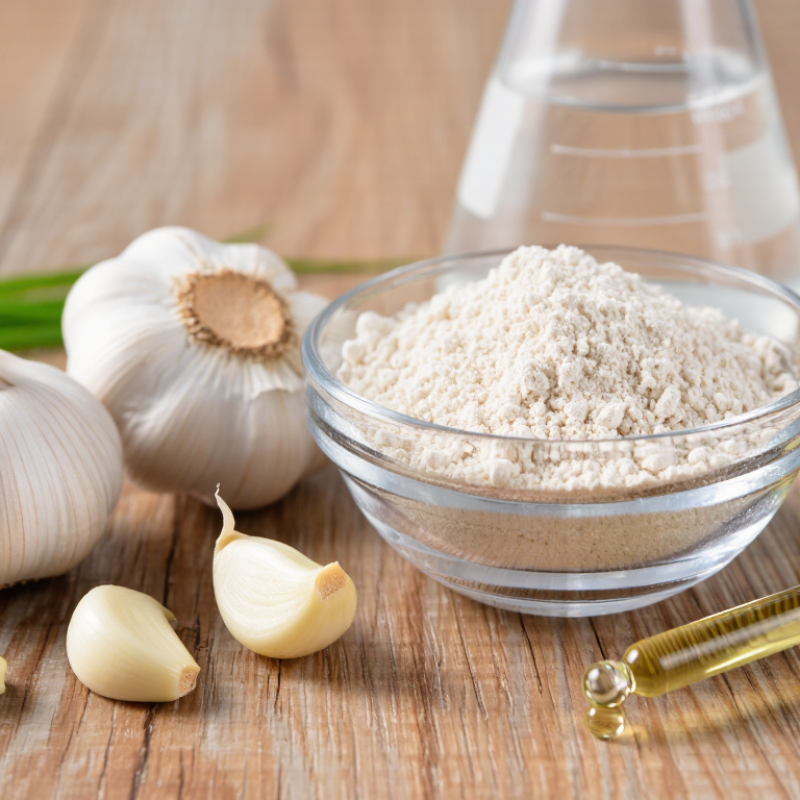
Why Are Global Buyers Choosing Garlic Extract? The answer begins with a familiar ingredient, but buyers increasingly want it in a more consistent, measurable form. Garlic is used in foods, supplements, and personal-care products. Extracts can offer practical advantages, including concentrated compounds and easier formulation. Yet extract quality is not automatic.
Grand View Research estimated the broader global garlic market at approximately US$15.7 billion in 2023, with projected growth through 2030. This figure covers garlic products overall, not Garlic Extract alone. That distinction matters. It is easy to treat a large garlic market as proof of extract demand, but the two are not interchangeable. FAOSTAT production data also highlights garlic’s substantial agricultural supply base, while revealing little about the specific grades or active-compound profiles available to extract manufacturers.
For global buyers, sourcing decisions often come down to details: botanical identity, extraction method, allicin-related specifications, residue controls, and batch-to-batch consistency. A powder that looks uniform may still differ in composition. Buyers therefore need supplier documentation, credible testing, and clear traceability—not just an attractive price. Evidence for particular health effects also varies by product and study, so marketing claims should not outrun the available research. There is no single ideal extract for every use. Understanding these trade-offs helps explain why buyers choose Garlic Extract, and what they should verify before placing an order.
Garlic extract is a concentrated preparation made from garlic cloves, not simply ground garlic or garlic oil. Manufacturers typically clean and crush the cloves, then use water, food-grade ethanol, or another suitable method to draw out selected compounds. The liquid is filtered and may be concentrated or dried into a powder. Temperature and processing time matter: excessive heat can change delicate sulfur compounds. Batiha and colleagues’ 2020 review in Antioxidants describes these compounds, including alliin and allicin, and notes that processing influences garlic’s chemical profile. The details vary.
Some products use a different route. Aged garlic extract, for example, is produced by holding garlic in an aqueous solution over an extended period, creating a profile unlike fresh-clove extracts. Buyers should therefore compare the declared extract type, solvent, concentration, and batch specifications—not rely on “garlic extract” alone. FAOSTAT’s 2022 crop-production data report roughly 29 million tonnes of garlic worldwide, showing the scale of the agricultural supply behind these ingredients. Yet abundant raw material does not guarantee identical extract quality. Soil, harvest timing, storage, and processing all introduce variation.
That is a real sourcing challenge.
A credible supplier should provide traceable origin details and analytical testing for identity and key compounds; even then, no single marker tells the whole story.
Garlic extract is valued for its sulfur-containing compounds, but its chemistry is not fixed. In fresh garlic, crushing brings alliin into contact with the enzyme alliinase, which can produce allicin. Allicin contributes to garlic’s sharp aroma and is chemically reactive. Heat, storage, and processing may change how much remains in a finished extract. The smell can be a clue, but it is not a reliable measure of composition.
Other notable compounds include ajoene and diallyl sulfides. Their levels depend on the garlic source and extraction method. Some preparations use aged garlic, where different sulfur compounds may become more prominent. This matters when comparing products: “garlic extract” alone does not describe a uniform ingredient. Standardized specifications and clear information about processing offer a more useful basis for evaluation.
Researchers have studied garlic compounds for antioxidant and antimicrobial activity, but laboratory findings do not automatically predict effects in people. Evidence can vary by preparation, dose, and study design. That distinction is easy to miss. For buyers, a careful review of analytical data, stability information, and intended use is more informative than broad claims. Even then, extract chemistry has limits; results from one preparation may not apply to another.
Garlic extract serves different purposes across food, supplement, and personal-care industries. In food production, it can add a savory note to sauces, marinades, seasonings, and prepared meals. Liquid extracts blend easily into wet mixes, while powders suit dry blends and seasoning packets. The aroma can be strong. Small amounts matter.
For dietary supplements, manufacturers use garlic extracts in capsules, tablets, or liquids. Product specifications may describe the extraction method and key compounds, but composition can vary with the raw garlic and processing conditions. Reliable production depends on identity checks, contaminant screening, and consistent batch records. A label alone does not explain every difference between extracts.
Personal-care products sometimes include garlic-derived ingredients, though their pungent odor and potential to irritate skin can limit their use. Formulators must consider concentration, product stability, and consumer tolerance, then assess the finished product appropriately. That part is easy to underestimate. Garlic extract is not a universal ingredient: its value depends on the intended application, and the sensory trade-offs may outweigh its appeal.
Global buyers are drawn to garlic extract because it offers a concentrated, practical form of a familiar ingredient. Food manufacturers can incorporate it into seasonings, sauces, and prepared foods without handling large quantities of fresh cloves. A measured powder or liquid can also simplify storage and production planning. That matters.
Consistency is another factor. Buyers often compare aroma, color, solubility, and active-compound specifications across samples. Clear documentation and batch records help teams assess whether an ingredient suits their process. Extraction methods and raw garlic varieties can affect the final profile, so a label alone tells only part of the story. Experienced buyers request technical details and test samples under realistic production conditions.
Supply reliability also influences purchasing decisions. Garlic harvests, shipping schedules, and processing capacity may change, making dependable communication valuable. Some buyers prefer a format that blends easily into their existing equipment; others prioritize a recognizable flavor. The best choice depends on the product, not simply the highest concentration. Comparisons are not always tidy, and specifications may differ between suppliers. Buyers should confirm what each measurement means before treating two offers as equivalent. A small trial batch can reveal issues that a specification sheet misses.
Why Are Global Buyers Choosing Garlic Extract?
Quality, Sourcing, and Trade Considerations
For global buyers, garlic extract is not just a matter of price or potency. Consistent specifications make a real difference. Buyers often compare the declared active compounds, extraction method, carrier ingredients, and intended application. A certificate of analysis can help, but it should identify the test method and batch. Results are harder to compare when suppliers use different methods. Details matter.
Sourcing deserves equal attention. Garlic variety, growing conditions, harvest timing, and storage may affect the raw material before extraction begins. Reliable documentation can connect a batch to its origin and processing records. Buyers may also ask how suppliers control moisture, microbial risks, and unwanted residues. These checks take time. Still, a low price is less useful if the product varies between orders.
Trade brings practical complications. Extracts may differ in form, concentration, packaging needs, and shelf life, so buyers should confirm specifications before arranging transport. Check that labels and shipping documents match the product and destination requirements. Keep samples from received batches when possible; they can support a comparison if results later differ. No document removes every uncertainty. A careful review of quality records, sourcing details, and shipment conditions helps buyers make more informed decisions.
| Buying Dimension | What Buyers Evaluate | Why It Matters | Useful Purchasing Check |
|---|---|---|---|
| Product form | Powder, liquid extract, or an oil-based preparation; carrier ingredients and extract ratio where applicable. | Form affects handling, formulation, storage, and suitability for the intended food, supplement, or other permitted use. | Confirm the full ingredient declaration, physical form, solubility or dispersibility, and intended application. |
| Active-compound specification | Declared marker compounds, such as alliin or allicin, with the test method and reporting basis. | Garlic compounds can vary with processing and storage; a stated assay is meaningful only when its method and sample basis are clear. | Request a batch-specific certificate of analysis (COA) and check that the analytical method matches the product specification. |
| Processing and stability | Extraction and drying process, moisture control, packaging, and recommended storage conditions. | Heat, moisture, oxygen, and time may affect product characteristics, including the stability of sulfur-containing compounds. | Review shelf-life evidence, storage instructions, packaging details, and any available stability data. |
| Raw-material traceability | Declared country or region of origin, harvest or lot identification, and traceability through processing. | Traceability supports supplier qualification, recall readiness, and verification of origin-related requirements. | Ask for lot-linked records and clarify whether the stated origin refers to the garlic, the extraction, or final processing. |
| Safety and contaminant testing | Risk-based testing for microbiological quality, heavy metals, pesticide residues, and other contaminants relevant to the product and market. | Import limits and testing expectations differ by destination, product category, and applicable regulations. | Compare recent test results with the destination market’s requirements; verify laboratory scope and sampling details. |
| Quality management | Documented manufacturing controls, hygiene practices, change control, and relevant food-safety or quality-system certifications. | Consistent controls help reduce variation between batches and support customer or regulatory audits. | Check certificate validity and scope, audit documentation, and the supplier’s process for handling deviations and complaints. |
| Regulatory and label fit | Ingredient status, permitted use, required documentation, and labeling rules in the importing market. | Requirements vary across jurisdictions and by intended use; supplier documents do not replace the importer’s compliance review. | Confirm product classification, local limits, claims, and required declarations with the relevant authorities or qualified regulatory advisers. |
| Trade documentation | Commercial invoice, packing list, transport documents, certificate of origin where required, and product-specific certificates requested by the destination. | Accurate, consistent documents help customs clearance and reduce the risk of avoidable shipment delays. | Agree document requirements before shipment and ensure product names, quantities, lot numbers, and origin details match across records. |
| Shipping terms and logistics | Agreed Incoterm, shipment mode, packaging, insurance responsibility, and handling or storage conditions. | Clear allocation of costs and responsibilities supports logistics planning and helps protect product condition in transit. | Name the place or port and the applicable Incoterms® rule and edition in the contract; confirm packaging is suitable for the route and product. |
| Commercial consistency | Specification tolerance, sample approval, minimum order quantity, production schedule, and process for managing specification changes. | Written agreement helps align expectations for repeat orders and makes batch-to-batch differences easier to identify. | Approve a representative sample and document acceptance criteria before placing recurring orders. |
Note: Specifications, testing needs, and import requirements depend on the product and destination market. Verify current requirements before purchase and shipment.