How to Source Quality Garlic Extract for Global Buyers?
In the competitive landscape of global trade, sourcing quality Garlic Extract is crucial for buyers. Experts emphasize its importance for health benefits. Dr. Emily Chen, a renowned herbal medicine specialist, states, "The efficacy of Garlic Extract is largely dependent on its sourcing." Sourcing involves understanding the production process and quality specifications.
Navigating the market for Garlic Extract requires knowledge and due diligence. Buyers should verify suppliers’ practices. They must ensure that the garlic's origin aligns with quality assurance standards. This is vital for maintaining product integrity. Transparency in sourcing means knowing where the garlic is grown and how it is processed.
Quality control in extraction methods is critical. Different methods yield varying potency levels. Sustainable practices also play a role. Without proper sourcing, the risk of low-quality products increases. It's a complex journey that must be approached thoughtfully. Recognizing these challenges can lead to better sourcing decisions, ensuring that buyers receive the highest quality Garlic Extract available.
Understanding Garlic Extract: Types and Benefits for Buyers
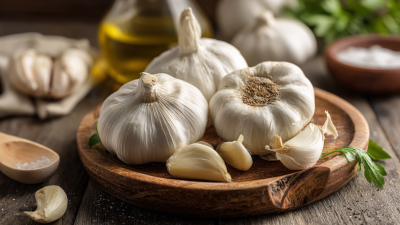
Garlic extract comes in various forms, each offering unique benefits. The most common types are oil, powder, and liquid extracts. Oil extracts are popular for their potent aroma and high allicin content. They provide cardiovascular support and enhance immune function. Powdered garlic is convenient for cooking and supplements. It retains many health benefits while being easy to incorporate into diets. Liquid extracts are often used for their quick absorption and concentrated potency. Each type serves different preferences and needs.
Buyers should consider the source of garlic extract. Quality matters for effectiveness. Sourcing from reputable manufacturers ensures the extract's purity and potency. Many factors, such as cultivation methods and storage conditions, affect the quality. Not all garlic is created equal; some regions produce garlic with higher active compounds. Researching suppliers helps identify those who prioritize quality and transparency.
In navigating sourcing, challenges arise. Not all information is readily available. Some vendors may overstate their products' benefits. Buyers need to evaluate claims critically. Seeking third-party testing results can provide necessary assurance about the extract's quality. Engaging in direct communication with suppliers can also clarify any doubts. Quality garlic extract is an investment in health, ensuring that buyers acquire authentic and beneficial products.
Identifying Reliable Suppliers of Garlic Extract in the Global Market
Finding reliable suppliers of garlic extract can be challenging. Start by researching the market landscape. Focus on suppliers who have established reputations and positive customer reviews. Experience matters. Suppliers with years in the industry often provide consistent quality. Check online platforms and trade shows to gather information. Make a list of potential suppliers to evaluate.
Next, delve into the production process of garlic extract. A transparent supplier will share details about sourcing and processing. Look for suppliers who use organic garlic and employ sustainable practices. Visit their facilities if possible. This adds a layer of confidence in their operations. Beware of suppliers offering prices that seem too good to be true. Quality comes at a price, and shortcuts may compromise it.
Engage with suppliers through direct communication. Ask detailed questions about their products and certifications. Assess their responsiveness and willingness to provide sample extracts. A trustworthy supplier values open dialogue. Keep in mind that relationships in this business take time to develop. It’s essential to remain patient and discerning throughout your search.
Evaluating Quality Standards and Certifications for Garlic Extract
When sourcing garlic extract, understanding quality standards is vital. Many global buyers overlook certifications that ensure product integrity. A comprehensive industry report from the Global Garlic Extract Market noted that over 80% of consumers prefer certified products. This highlights the importance of selecting suppliers with appropriate quality certifications.
Key certifications include Good Manufacturing Practices (GMP) and ISO 22000. These certifications confirm that the garlic extract is produced under strict quality controls. A supplier not holding such certifications may not meet the necessary safety or efficacy standards. Additionally, look for third-party testing results. This offers an extra layer of assurance regarding quality.
Quality does not always guarantee efficacy. Some extracts may have inadequate allicin levels, the compound responsible for garlic’s health benefits. Reports indicate that variations in allicin content can range from 0.1% to over 1.0% among different suppliers. Buyers should ask for detailed analyses to ensure they receive a potent product. It’s essential to question suppliers about their sourcing and extraction processes. Transparency can indicate their commitment to quality.
Sourcing Strategies: Direct Purchasing vs. Distributors for Garlic Extract
When sourcing quality garlic extract, buyers face a crucial decision: direct purchasing or working with distributors. Direct purchasing can establish stronger relationships with producers. This often translates to better pricing and access to raw materials. According to industry reports, the global demand for garlic extract has increased by over 20% annually, making sourcing tactics more vital than ever.
Distributors offer convenience and simplified logistics. They usually have established networks and can provide assurance of consistent quality. However, they may raise the cost. Studies indicate that buyers can spend up to 15% more when relying on distributors compared to direct sourcing. This decision will depend largely on your quantity needs and risk tolerance.
**Tips:** When considering direct purchasing, assess the supplier's certifications. Look for organic or non-GMO labels to ensure quality. Engage with suppliers directly to gauge their practices. If opting for distributors, review their history and customer feedback. Consider trial orders to evaluate the quality before committing.
Building a network of reliable sources can mitigate risks in both strategies. Always be prepared to adapt based on market trends and consumer preferences. Long-term relationships with suppliers or distributors can yield significant benefits over time.
Navigating Legal and Regulatory Considerations for Garlic Extract Imports
Sourcing garlic extract requires careful consideration of legal and regulatory aspects. Each region has specific guidelines governing food supplements and herbal products. Understanding these regulations is essential for global buyers. These laws can involve quality standards, labeling requirements, and safety testing protocols.
Compliance with import regulations is vital. Importers must ensure their garlic extract meets local health and safety standards. Documentation is required, including certificates of analysis and origin. Some countries may require additional permits. Buyers should research their target market's regulations thoroughly. This complexity can be daunting but is crucial for a successful transaction.
Navigating these legal waters demands diligence. Mistakes in documentation or misinterpretation of laws can lead to costly delays. Relying on experts or consultants in the field may help. However, it’s not always a straightforward path. Some regulations may change unexpectedly, causing confusion. Staying informed and adaptable is key in this ever-evolving landscape.