Leave Your Message
*Name Cannot be empty!

How to Find European Bilberry Extract Suppliers?

Finding reliable European Bilberry Extract suppliers requires more than comparing prices or polished websites. European bilberry usually refers to Vaccinium myrtillus, a berry valued for its naturally occurring anthocyanins. However, extract quality can vary with harvest location, berry maturity, drying conditions, and extraction methods. A trustworthy supplier should explain these details clearly and provide traceable documentation for each batch.

Look for suppliers with strong quality systems, such as GMP-based production, ISO certification, or appropriate third-party audits. Ask for a current certificate of analysis showing anthocyanin content, identity testing, moisture, heavy metals, pesticides, and microbiological results. The testing laboratory should be identifiable and independent where possible. Request a small sample before discussing large volumes. Examine its color, odor, solubility, packaging, and test results together.

Details matter.

A serious supplier should also describe its European sourcing regions, botanical identification process, storage conditions, and packaging materials. Confirm whether the extract is standardized and whether carriers, preservatives, or added colors are present. Check lead times, minimum order quantities, payment terms, and procedures for handling rejected batches. Regulatory documents must match the intended market, because food, supplement, and cosmetic requirements can differ. A supplier’s confident sales language is not proof of consistent quality. I have found that incomplete answers often reveal more than expensive brochures. Still, documentation alone is not enough. Consider an on-site audit, a video inspection, or independent retesting before committing. No supplier is flawless, and even a careful review may leave unanswered questions. The goal is not to find the cheapest source, but a transparent partner that can deliver safe, consistent European Bilberry Extract over time.

How to Find European Bilberry Extract Suppliers?

Define European Bilberry Extract and Its Common Uses

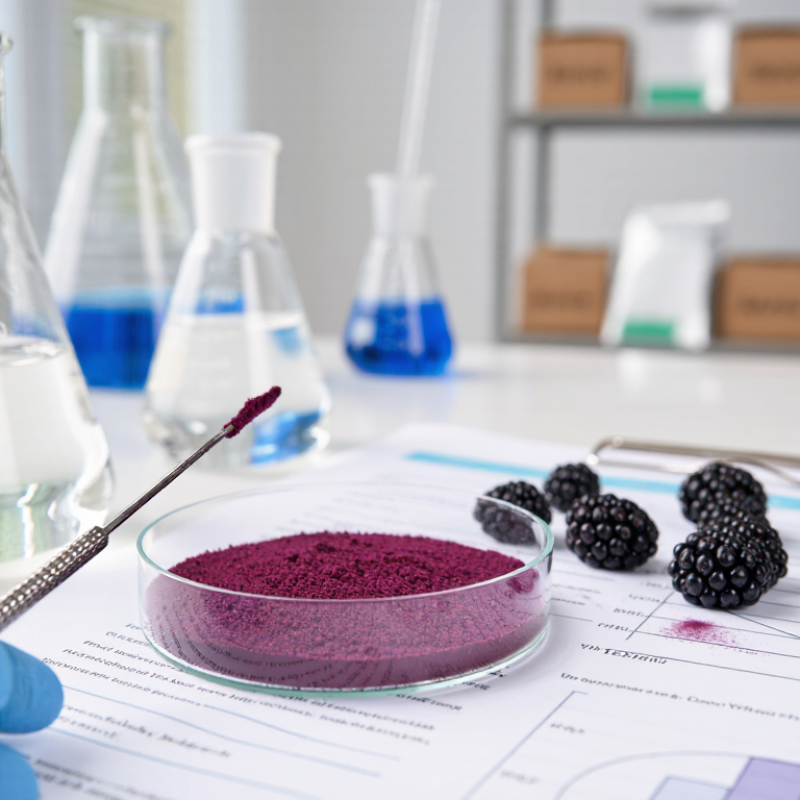
European bilberry extract is a concentrated ingredient made from the fruit of Vaccinium myrtillus. It is commonly standardized by anthocyanin content, although methods differ between laboratories. The berries are smaller and darker than many cultivated blueberries. Their deep purple color comes from naturally occurring polyphenols.

Manufacturers use European bilberry extract in dietary supplements, functional foods, beverages, and cosmetic formulas. Common positioning includes antioxidant support, visual wellness, and healthy circulation. These uses should not be treated as guaranteed medical outcomes. The European Medicines Agency recognizes bilberry fruit preparations mainly through traditional-use evidence, not strong clinical proof. That distinction is easy to miss. A 2023 Grand View Research report valued the global botanical extracts market at about USD 6.3 billion, showing strong ingredient demand. However, that figure does not measure bilberry extract alone. Laboratory value can still mislead.

Tips: When evaluating European bilberry extract suppliers, request the botanical name, plant part, extraction solvent, anthocyanin assay, and certificate of analysis. Check whether testing uses HPLC or another validated method. Ask for pesticide, heavy-metal, microbiological, and identity results. I would also compare the declared anthocyanin percentage with the finished powder’s color and solubility. A very dark powder is not automatically better. Supplier transparency matters more than impressive wording.

Identify Quality, Certification, and Sourcing Requirements

How to Find European Bilberry Extract Suppliers?

A reliable supplier should identify the plant precisely as Vaccinium myrtillus. Request the harvest region, plant part, extraction method, and active-compound specification. Anthocyanin content should be verified through validated HPLC testing, not estimated from color alone. Ask for a recent certificate of analysis for each production batch. It should cover identity, potency, moisture, microbiological limits, heavy metals, pesticides, and residual solvents.

Certification needs careful checking. Look for current GMP, ISO 22000, or FSSC 22000 documentation, depending on your application. Organic certification matters only when your product requires organic sourcing. Confirm the certificate’s scope, issuing body, site address, and expiration date. A logo is not evidence. Ask for the original document. Then verify it independently when possible.

Sourcing requirements should be written before supplier comparison. Define your required extract ratio, standardization range, packaging size, minimum order quantity, lead time, storage temperature, and shelf life. Request traceability records from farm or collector to finished powder. Samples should be examined for aroma, color, dispersibility, and test consistency. Do not guess. In practice, one attractive sample proves very little. A supplier may provide excellent documentation yet struggle with repeat batches. That weakness deserves a small pilot order, clear acceptance criteria, and documented follow-up.

Search for Reliable European Bilberry Extract Suppliers

To find reliable European bilberry extract suppliers, begin with evidence, not attractive websites. The European Medicines Agency identifies Vaccinium myrtillus fruit as a traditional herbal ingredient, but supplier quality still varies widely. Request a current certificate of analysis for every batch. It should show anthocyanin content, identification, moisture, heavy metals, pesticides, microbes, and residual solvents.

Check the extraction details carefully. A supplier should state the plant part, extraction solvent, native extract ratio, and standardisation method. The 2023 Global Market Insights report estimated continued growth in the botanical extracts market, driven by demand for traceable and standardised ingredients. That growth can attract weak documentation. Be cautious. A polished PDF is not proof.

Ask for harvest location and traceability records. European bilberry is often collected in forest regions, so geographic and seasonal variation matters. The European Pharmacopoeia and ISO-based laboratory methods can help you compare testing practices. Request independent test results, not only internal declarations. Verify the laboratory’s accreditation, audit the production site, and review allergen and contaminant controls. A practical test is simple: ask how one batch is linked to its raw material, production record, and retained sample. If answers remain vague, keep searching. Even experienced buyers can overvalue a low price and overlook inconsistent anthocyanin results.

How to Find European Bilberry Extract Suppliers? - Search for Reliable European Bilberry Extract Suppliers

A practical supplier-screening table for European bilberry extract procurement

Screening Dimension What to Request from the Supplier Reliable Benchmark or Requirement Documents or Evidence to Check Priority
Botanical identity Scientific name, plant part, harvest form, and identification method Vaccinium myrtillus L.; fruit should be clearly distinguished from leaves or other Vaccinium species Specification sheet, botanical identification report, microscopy or DNA authentication where applicable Essential
European origin and traceability Country or region of harvest, collection method, harvest year, and batch code structure Traceability should connect the finished extract to documented raw-material lots and a defined European collection area Traceability flow chart, supplier declaration, harvest records, and representative batch documents Essential
Standardization Declared anthocyanin content, assay method, and acceptance range Common commercial specifications include approximately 25% to 40% anthocyanins, but the method and calculation basis must be stated Product specification and certificate of analysis showing the analytical method, result, and tolerance Essential
Extraction process Extraction solvent, carrier materials, concentration ratio, and drying process Water or food-grade ethanol processes are commonly used; residual solvents and carriers must be disclosed Process description, allergen statement, residual-solvent test, and excipient declaration High
Quality and food-safety system Applicable manufacturing certifications and audit status A documented HACCP system plus a recognized food-safety management certification such as ISO 22000 or an equivalent scheme Current certificates, scope of certification, audit date, and manufacturing-site address Essential
Contaminant control Testing for heavy metals, pesticides, microbiological contamination, and mycotoxins where relevant Results should comply with the current requirements applicable to the destination market and intended use Recent independent laboratory reports, testing frequency, limits of detection, and pass/fail criteria Essential
Stability and packaging Shelf life, storage temperature, moisture specification, light protection, and packaging format Anthocyanin-rich extracts generally require protection from heat, oxygen, moisture, and light; the supplier should provide validated storage conditions Stability data, packaging specification, storage statement, and retest policy High
Regulatory suitability Intended application, market destination, claims support, and labeling information The extract must be assessed against the rules of the destination market, including food-supplement, food, or cosmetic requirements as applicable Regulatory statement, ingredient declaration, allergen statement, safety data, and claim-support documentation Essential
Commercial capability Minimum order quantity, sample policy, production capacity, lead time, and delivery terms A dependable supplier should provide written terms, representative samples, batch consistency information, and a realistic replenishment schedule Quotation, sample invoice, production schedule, Incoterms, and supply-continuity plan Medium
Supplier verification method Compare at least three qualified offers before approving a source Approve only suppliers whose documentation, sample test results, audit evidence, and commercial terms are consistent Completed supplier questionnaire, document review, sample evaluation, and quality agreement High
Recommended decision rule: Select the supplier with complete traceability, verifiable botanical identity, transparent anthocyanin testing, current food-safety documentation, compliant contaminant results, and stable batch-to-batch specifications—not simply the lowest quoted price.

Compare Supplier Profiles, Products, and Commercial Terms

How to Find European Bilberry Extract Suppliers?

Supplier comparison should begin with evidence, not attractive product photos. I review the supplier’s extraction site, quality certifications, traceability system, and technical staff. A reliable profile should show botanical identity, growing region, harvest year, and extraction method. It should also provide recent certificates of analysis. These should cover anthocyanin content, pesticides, heavy metals, microbiological limits, and residual solvents. EFSA’s guidance stresses that botanical identity and safety evidence must support responsible food use. Small details matter.

Product specifications can differ sharply. One supplier may offer 25% anthocyanins, while another uses a lower assay with a cheaper price. Ask whether the percentage uses a validated HPLC method. Request samples from two production lots. Compare color, powder flow, odor, solubility, and stability after storage. The 2023 European Commission organic farming report recorded organic agriculture at 10.5% of EU farmland. That figure supports stronger sourcing discussions, but it does not prove organic certification for bilberries. Do not assume it.

Commercial terms reveal operational maturity. Compare minimum order quantity, sample fees, lead time, Incoterms, payment stages, packaging, and replacement policies. Grand View Research’s botanical extracts market analysis identifies clean-label demand and documented sourcing as important growth factors. However, market reports are broad. They cannot replace supplier audits. I would not choose the lowest quote automatically. A small trial order may expose delays, inconsistent assay results, or weak communication. Check those risks before signing a long-term agreement.

Verify Samples, Compliance Documents, and Long-Term Support

How to Find European Bilberry Extract Suppliers?

A reliable supplier should provide a representative bilberry extract sample before commercial discussions begin. Check its botanical identity, extraction method, anthocyanin level, color, odor, and solubility. Ask whether the sample matches the proposed production batch. It should. However, this assumption needs testing.

Request a recent certificate of analysis with batch numbers and testing dates. Review results for pesticides, heavy metals, microbial limits, and residual solvents. Confirm the testing laboratory and analytical method, especially for anthocyanin measurement. Compliance documents should include product specifications, allergen statements, safety data, traceability records, and relevant quality certifications. Documents alone are not enough. A polished certificate can still hide weak sampling practices.

Long-term support is equally important. Ask how the supplier manages seasonal fruit variation, raw material shortages, formula changes, and packaging damage. A dependable technical team should explain storage conditions, shelf-life evidence, and complaint procedures clearly. Request a pilot order before committing to large volumes. Compare the delivered powder with the approved sample, not only the paperwork. Small differences may affect color and formulation performance. My practical concern is simple: suppliers often promise consistency, but consistency must be demonstrated across several batches. Keep communication records, review updated documents annually, and test independently when the application carries higher quality risks.