Leave Your Message
*Name Cannot be empty!

2026 How to Source European Bilberry Extract?

In 2026, sourcing European Bilberry Extract means checking more than a supplier’s attractive specification sheet. Buyers need to understand the fruit’s origin, extraction method, anthocyanin assay, and batch-to-batch consistency. Small details matter: a certificate should identify the analytical method, while a traceable lot should connect the finished extract to its raw material. The color in a sample vial is not proof of potency.

Market context helps explain the scrutiny. Grand View Research estimated the global dietary supplements market at USD 177.5 billion in 2023 and projected a 9.1% compound annual growth rate from 2024 to 2030. That broad category is not a bilberry forecast, but it signals growing commercial attention to supplement ingredients. For buyers, demand alone is not a quality measure. Not even close.

A dependable sourcing review should compare supplier documentation, identity testing, contaminant controls, and stability data against the intended product specification. Ask whether the extract uses Vaccinium myrtillus fruit, how anthocyanins are quantified, and whether the reported percentage refers to a validated assay. Request representative certificates of analysis and independent test results where appropriate. Supplier claims can sound precise while leaving key methods unstated. That gap deserves attention. This guide examines practical questions for evaluating European Bilberry Extract in 2026, while recognizing that no single specification fits every formulation or market.

2026 How to Source European Bilberry Extract?

European Bilberry Extract: Definition, Sources, and Key Characteristics

2026 How to Source European Bilberry Extract?

European bilberry extract comes from the fruit of Vaccinium myrtillus, a low-growing shrub native to northern and central Europe. The berries are small, dark blue, and naturally rich in anthocyanins, pigments that contribute to their deep color. The European Medicines Agency’s assessment of bilberry fruit describes its traditional herbal use and identifies the fruit as the relevant plant part. That distinction matters: leaf and fruit materials are not interchangeable. A useful technical reference is the review by Kalt and colleagues in Advances in Food and Nutrition Research (2020), which discusses berry anthocyanins and their variation with species, growing conditions, and processing. Nature is not a fixed formula.

When evaluating a source, request the botanical name, plant part, country of origin, extraction solvent, and batch-specific test results. A certificate of analysis should identify the anthocyanin assay method and report the measured result, not just a target percentage. Ask for contaminant testing and traceability records, too. European Pharmacopoeia standards can provide a recognized quality framework for herbal materials, but a standard does not replace checking each shipment. Look for dark, uniform extract and sealed packaging that limits heat, light, and moisture exposure. Color alone proves little. One practical weakness is that assay results may differ between methods, making supplier comparisons imperfect. Ask the laboratory to explain its method before treating two percentages as equivalent.

How to Verify European Bilberry Extract Quality and Authenticity

2026 How to Source European Bilberry Extract?

A polished label is not proof of authenticity. Ask suppliers for the botanical name, Vaccinium myrtillus L., the plant part, extraction solvent, and a batch-specific certificate of analysis. Check that the certificate identifies the tested lot and reports results, methods, and laboratory details. Then compare the declared anthocyanin profile with a chromatographic fingerprint, such as HPLC. A single “36% anthocyanins” figure can conceal a weak or mismatched profile. Details matter.

Use a test laboratory independent of the seller when the purchase is significant. Request screening for synthetic dyes and likely substitute materials, alongside heavy-metal and microbiological results. The European Pharmacopoeia’s dried bilberry-fruit monograph sets a minimum of 0.3% anthocyanosides, expressed as cyanidin-3-glucoside. That figure applies to dried fruit, not automatically to concentrated extracts. Treat it as context, not an extract specification. The European Medicines Agency’s bilberry-fruit assessment also distinguishes traditional fruit preparations from other product forms; buyers should avoid treating those categories as interchangeable.

For stronger verification, retain a sealed sample from each delivery and compare it with the supplier’s records. Ask how harvest region, storage, and extraction affect batch consistency. DNA testing may help identify raw plant material, but it is less conclusive after processing. No single test settles the question. I would also record unresolved discrepancies, even when a certificate looks complete.

European Bilberry Extract: Specifications, Testing, and Documentation

European Bilberry Extract: Specifications, Testing, and Documentation

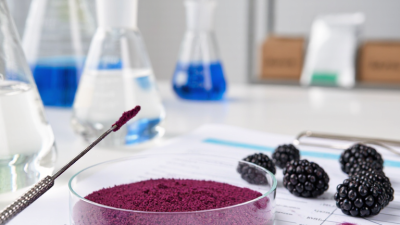
A useful specification makes each lot easier to assess. It should identify the botanical name, plant part, extraction method, and extract ratio. For example, the document might state Vaccinium myrtillus fruit and describe the extraction solvent. Check whether the anthocyanin value has a defined test method. Results are difficult to compare when laboratories use different methods. Also review moisture, appearance, and packaging details. A dark purple powder can look convincing, but color alone proves little.

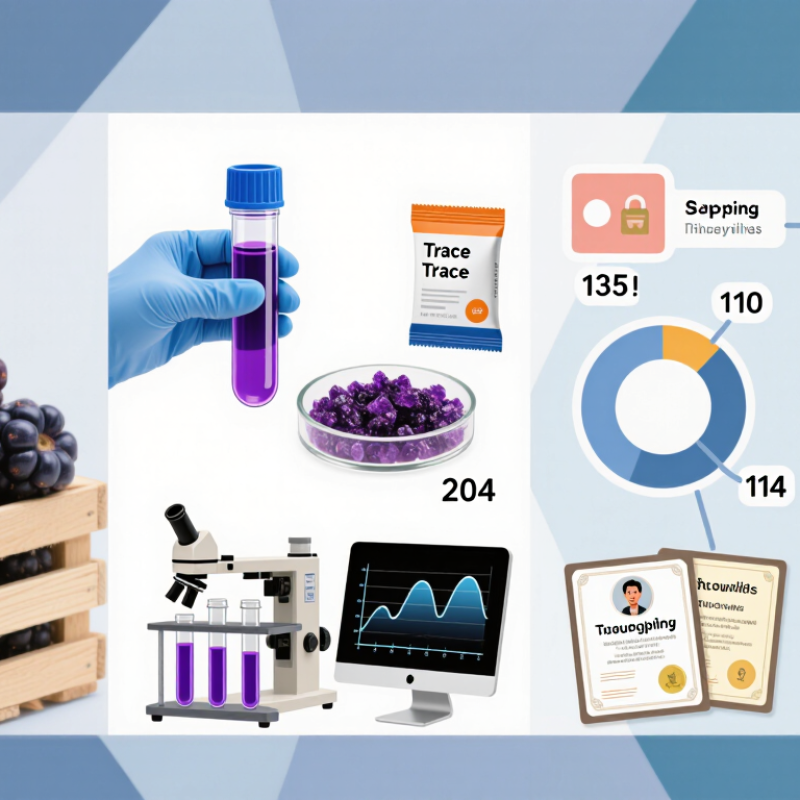
Ask for a recent certificate of analysis linked to the lot number on the label. It should show test results, methods, and acceptance limits, not just “pass.” Review contaminant testing relevant to the material, such as heavy metals, pesticide residues, and microbiological quality. Request method details or supporting laboratory reports when results seem unusually broad. Documentation should also include ingredient traceability and storage conditions. Keep in mind that a tidy file is not the same as independent verification.

Tips: Match the sample label, specification, and certificate lot numbers. Confirm the test date and laboratory identity. Ask how the supplier handles out-of-specification results. One gap matters. If the extraction solvent or assay method is unclear, pause and ask for clarification. Specifications can be imperfect, and a buyer may need to revise them after reviewing real batches.

How to Evaluate European Bilberry Extract Suppliers

When evaluating European bilberry extract suppliers, ask for the botanical name, plant part, country of harvest, extraction solvent, and batch-specific certificate of analysis. “Bilberry” alone is not precise enough. The European Pharmacopoeia monograph for dried bilberry fruit sets a minimum of 0.3% anthocyanosides, expressed as cyanidin-3-glucoside. That figure applies to the fruit, not automatically to concentrated extracts. Ask suppliers to explain how their extract specification relates to the monograph.

Request chromatographic identity testing, such as an HPLC fingerprint, alongside the stated anthocyanin assay. A single percentage cannot show whether the expected anthocyanin profile is present. Keep the chromatograms. Confirm that an ISO/IEC 17025-accredited laboratory performed relevant tests, and review results for heavy metals, microbial contamination, pesticides, and residual solvents. I would not treat a polished certificate as enough; a weak sampling plan can still produce reassuring numbers.

Traceability matters at the lot level. Ask for harvest and processing records, storage conditions, and change-control procedures. Compare several recent batches, not just a sample lot. Small differences may reflect natural variation, but unexplained swings deserve questions. A supplier should describe its methods clearly and provide data you can independently verify. Some documents may look complete while leaving gaps. Ask for the raw data.

Importing, Purchasing, and Managing European Bilberry Extract in 2026

European Bilberry Extract: Importing, Purchasing, and Managing in 2026

European bilberry extract, usually made from Vaccinium myrtillus, needs more than a low price. Grand View Research estimated the global botanical extracts market at approximately USD 3.6 billion in 2023. Its report also projected about 8% annual growth through 2030. This growth increases supplier competition and quality risks. Request the botanical species, plant part, extraction solvent, extract ratio, and standardization method. A clear specification should state anthocyanin content, moisture, microbiological limits, heavy metals, pesticides, and residual solvents. Ask for batch-specific certificates, not generic documents.

Import planning should begin before the purchase order. Customs codes may group bilberry with other botanical extracts, making trade data difficult to interpret. Check the destination country’s food, supplement, and labeling requirements with a qualified customs professional. Keep commercial invoices, packing lists, certificates of analysis, origin documents, and transport records together. The European Commission’s traceability framework supports a “one step back, one step forward” supply-chain approach. That sounds simple. It is often not.

Purchasing teams should inspect production evidence, not only polished samples. Compare two or three batches from the same harvest period. Test anthocyanins through an independent laboratory when the shipment has high value. Store sealed material in cool, dry conditions, away from light and strong odors. Review inventory every month, including shelf life and packaging damage. I would not rely on a single supplier in 2026. Yet maintaining too many suppliers can weaken consistency. The right balance remains imperfect and requires regular review.

2026 How to Source European Bilberry Extract? - Importing, Purchasing, and Managing European Bilberry Extract in 2026

Decision Area What to Specify or Check Purchasing and Import Guidance Ongoing Management
Botanical identity Specify European bilberry as Vaccinium myrtillus L. and identify the plant part as fruit. Do not treat other Vaccinium species as interchangeable. Request the botanical name, plant part, country of harvest, and country of processing as separate fields. Check that these details agree across the specification, invoice, and batch documents. Keep an approved identity specification and review supplier change notifications for changes to species, plant part, or growing and harvesting region.
Origin and season Bilberries are wild-harvested in parts of Europe; fruit is generally gathered during the summer and early autumn, with timing varying by location and weather. Ask for harvest-year and origin-region information where available. Confirm whether “European origin” refers to the fruit itself or only to processing or packing. Consider seasonal availability and weather-related variability when setting inventory plans. Do not assume that a European processing address proves European fruit origin.
Extract definition Agree on the fruit extract form, extraction solvent or solvents, carrier ingredients, drying method, and any declared extract ratio. An extract ratio alone does not establish active-compound content. Request a complete ingredient composition and manufacturing description sufficient to assess the product’s identity and intended food use. Confirm whether carriers are included in the reported assay basis. Control changes to solvents, carriers, or processing through documented change approval and updated product specifications.
Anthocyanin specification Set a buyer-defined anthocyanin requirement and state the analytical method, reporting basis, and whether results are expressed on an as-is or dry-weight basis. Compare quotations only when assay methods and reporting bases are comparable. HPLC-based profiles and colorimetric total-anthocyanin results are not automatically interchangeable. Use a defined test method for release and trending. Establish acceptance limits from product needs and applicable rules rather than assuming one universal commercial grade.
Identity and authenticity Request a batch-specific certificate of analysis (CoA) and a suitable identity test, such as a chromatographic fingerprint alongside the agreed anthocyanin assay. Check that the CoA identifies the same product and lot as the shipment. Review unusual assay results, inconsistent fingerprints, or unexplained differences between batches. Retain representative samples and trend identity and assay results by lot. Investigate unexplained changes before releasing affected material.
Safety and contaminants Assess pesticide residues, heavy metals, microbiological quality, and any other risks identified by the product’s origin, process, and intended use. Set limits using applicable destination-market requirements and a documented risk assessment. In the EU, pesticide maximum residue levels and contaminant rules can apply; confirm current requirements for the product and use. Use risk-based verification testing and review adverse results promptly. A supplier declaration alone may not be adequate evidence for higher-risk hazards.
Food-grade documentation Obtain the current product specification, batch CoA, ingredient and allergen information, processing details, and appropriate food-safety or quality-system documentation. Check that documents are current, consistent, and traceable to the supplying legal entity and lot. Request additional records when required by the destination market or your quality system. Maintain version control for specifications and certificates. Requalify the source when manufacturing sites, processes, or key raw-material origins change.
EU import checks Confirm the intended product classification, customs requirements, country-of-origin rules, and any applicable food-import controls before shipment. HS classification depends on the product’s composition, processing, and presentation; confirm the applicable code and duty with a customs broker or customs authority. Requirements can differ by origin and product category. Keep commercial, transport, origin, and food-safety records together with the lot file. Check current border and documentation requirements before each import program.
Regulatory suitability Define whether the extract is intended for a food supplement, conventional food, or another use, and assess the rules for that specific market and use. For EU placement, review applicable food-safety, hygiene, labelling, and novel-food requirements. Novel-food status is use- and history-dependent; assess the actual ingredient and evidence rather than relying on a general assumption. Review labels and permitted claims separately from ingredient specifications. Obtain regulatory review before changing dosage, format, intended use, or target market.
Packaging and storage Agree on food-contact-compliant packaging, pack size, lot coding, and storage conditions supported by stability data. Request protection appropriate to the product’s sensitivity to moisture, light, oxygen, and heat. Confirm packaging integrity and batch identification on receipt. Store according to the approved specification, monitor stock conditions, and apply a documented first-expiry-first-out process. Set shelf life from supporting data, not assumption.
Supplier and supply continuity Evaluate traceability, harvest sourcing, production controls, capacity, quality history, and contingency arrangements. Request realistic production and shipping lead times, minimum order quantities, and written notice periods for supply or specification changes. Treat availability as season- and crop-dependent. Monitor delivery performance, quality deviations, and forecast accuracy. Where feasible, qualify an alternative source against the same identity, assay, and safety requirements.

Procurement note: The specifications and limits for bilberry extract are product- and market-specific. Establish acceptance criteria with your quality and regulatory teams, and verify current requirements for each destination and intended use before purchase or import.