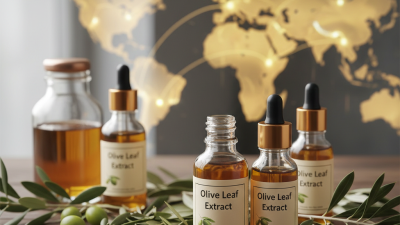
2026 How to Buy Olive Leaf Extract for Best Quality?
In recent years, Olive Leaf Extract has gained significant attention for its numerous health benefits. Reports from the Nutraceuticals World indicate that the global market for olive leaf extract is projected to grow at a CAGR of 7.5% from 2021 to 2026. This increasing demand stems from its known properties for boosting immune function and promoting heart health. However, not all olive leaf extracts are created equal.
Quality varies widely across products. Factors such as the source of the olives, extraction methods, and even the processing can significantly impact the final product. Research from the Journal of Medicinal Food emphasizes the importance of selecting high-quality extracts to ensure therapeutic efficacy. Consumers should be aware that lower-priced options may compromise extraction processes.
When purchasing Olive Leaf Extract, look for credible sources. Seek products that provide transparency through third-party testing. This practice helps confirm purity and potency. Consider labels carefully, as they can provide insights into quality. Reflecting on these considerations is crucial for making informed choices in this growing market.
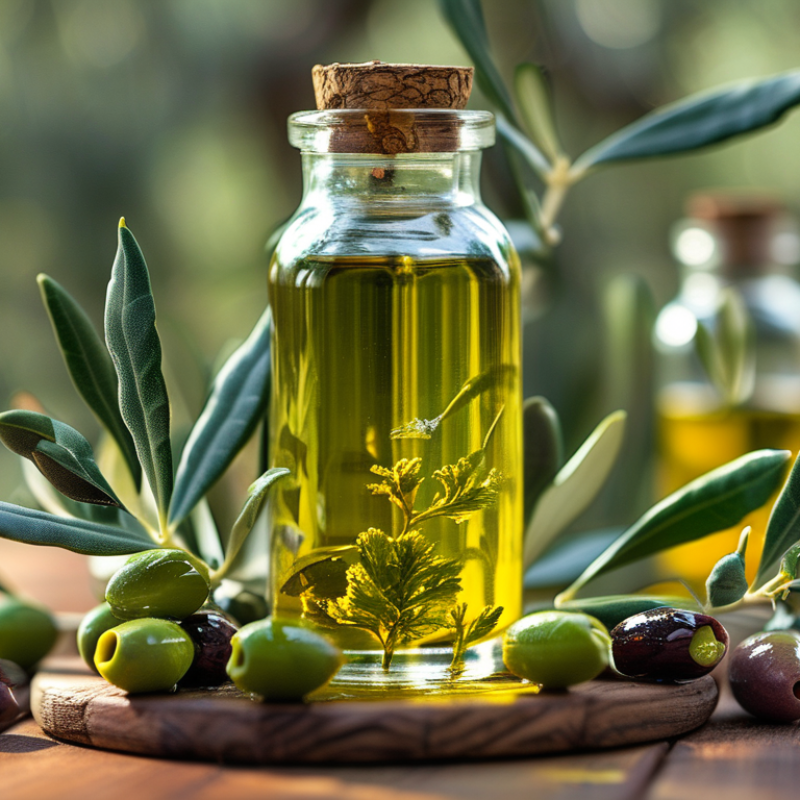
Understanding Olive Leaf Extract and Its Benefits
Olive leaf extract is derived from the leaves of the olive tree. This natural supplement offers various health benefits. Many people turn to it for its potential to enhance immune function. Its antioxidant properties may help combat oxidative stress. Some studies suggest it can lower blood pressure and support heart health. It is rich in compounds like oleuropein, which are believed to provide these advantages.
When considering olive leaf extract, quality is crucial. Look for products that are standardized for oleuropein content. The extraction process matters, too. Methods that preserve the integrity of active compounds are preferred. Always check for third-party testing to ensure reliability. Researching sources and reading reviews can help guide your choice. There are numerous options available, but not all provide the same benefits.
While olive leaf extract can be beneficial, it is not a miracle cure. It may not work for everyone. People may experience different effects. Consulting with a healthcare provider is wise before starting any new supplement. Reflecting on your own needs and health conditions is important. The journey toward better health is personal and ongoing.
Recognizing Quality Indicators in Olive Leaf Extract Products
When buying olive leaf extract, understanding quality indicators is essential. First, check the ingredient list. High-quality products often list whole olive leaves or extracts. Look for terms like "standardized to 10% oleuropein." Oleuropein is a key active compound that provides many benefits. If the product lacks this information, its efficacy could be questionable.
Next, evaluate the extraction method. Cold-pressed or ethanol-extracted processes preserve beneficial properties better. If a product mentions solvents or high heat, it may indicate lower quality. Transparency in sourcing is another indicator. Brands that share where their olives come from often place higher emphasis on quality.
Lastly, consider third-party testing. Products validated by independent labs guarantee purity and potency. If those results are not readily available, it’s a red flag. While certifications can help, remember they are not foolproof. Each purchase should be made with careful consideration.
Where to Buy Olive Leaf Extract: Retail vs. Online Options
When considering where to buy olive leaf extract, both retail and online options have their unique advantages. Retail stores allow you to physically inspect the product. You can check the expiration date and read the label closely. Many health food stores carry olive leaf extract in various forms. This can provide immediate gratification, as you leave with the product in hand. However, selection might be limited, and prices can be higher than online.
Online shopping offers a broader selection. You can compare different brands and formulations easily. Many websites provide customer reviews, which can help you gauge product effectiveness. Yet, buying online comes with challenges. It can be hard to verify the quality. Ingredients may not be as transparent as they should be. You could receive a product that does not match its description. Therefore, it’s essential to research the brand and read feedback from other buyers before making your purchase.
2026 How to Buy Olive Leaf Extract for Best Quality?
| Purchase Option |
Quality Indicators |
Price Range (USD) |
Availability |
Customer Reviews |
| Retail Stores |
Organic Certification, Effective Dosage |
$15 - $30 |
Local Health Food Stores |
4.0/5.0 |
| Online Retailers |
Third-party Testing, Non-GMO |
$20 - $40 |
Widely Available |
4.5/5.0 |
| Specialty Stores |
High Polyphenol Content, Pure Extract |
$25 - $50 |
Limited Locations |
4.8/5.0 |
| Wholesale |
Bulk Packaging, Competitive Pricing |
$10 - $20 per unit |
Business Only |
Varied |
How to Read Labels and Ingredient Lists for Authenticity
When purchasing olive leaf extract, authenticity is key. Reading labels can help you identify quality. Look for the percentage of active compounds. A high percentage often indicates better potency and effectiveness. Ingredients should be clearly listed without fillers. Avoid products with vague terms like "natural flavor."
Another aspect to consider is sourcing. Genuine olive leaf extract is made from fresh leaves. Some products might use dried leaves, which can diminish potency. Check for information about the extraction method. Cold-pressed methods preserve more beneficial properties. Transparency in sourcing can indicate a reliable product.
It's also wise to examine certifications. Look for organic or non-GMO labels. These certifications provide reassurance about the product’s integrity. Referencing third-party testing can further validate quality claims. Remember, a thoughtful approach to reading labels enhances your purchasing experience. Avalanches of information can be overwhelming, so take your time. Balancing informational overload with choice is crucial.
Tips for Comparing Prices and Ensuring Value for Money
When buying olive leaf extract, price comparison is crucial. Different suppliers offer various prices, but lower cost doesn’t always mean better value. According to a report from the International Olive Council, high-quality extracts can contain up to 20% oleuropein, the key active compound. Look for products with verified ingredient amounts.
Tips for comparing prices include checking the extraction method. Methods like cold pressing are often superior and may justify a higher price. Additionally, read customer reviews to gauge the product’s effectiveness. Some extracts may have fillers or low-quality ingredients that cheapen the final product.
Be mindful of the source. Organic certifications may raise prices, indicating higher quality. Research suppliers' reputations and their sourcing practices. Understanding these factors helps ensure you're not just chasing the cheapest option but investing in a genuine, high-quality olive leaf extract.