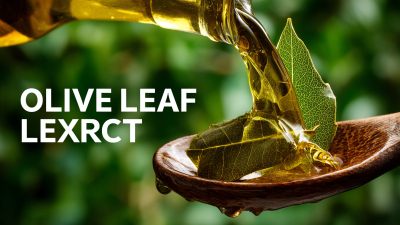
Top Benefits of Olive Leaf Extract for Global Buyers?
The global interest in Olive Leaf Extract is surging. This natural product has been linked to numerous health benefits, supported by extensive research. According to a recent market analysis by Grand View Research, the global olive leaf extract market is expected to reach USD 17.7 million by 2025, growing at a CAGR of 5.8%. Such statistics highlight the increasing consumer awareness of herbal supplements.
Dr. Maria Johnson, a renowned expert in herbal medicine, emphasizes the importance of quality when considering Olive Leaf Extract. She states, "Choosing high-quality extracts is crucial for achieving the desired health benefits." This insight underscores the need for buyers to be discerning amidst a crowded marketplace.
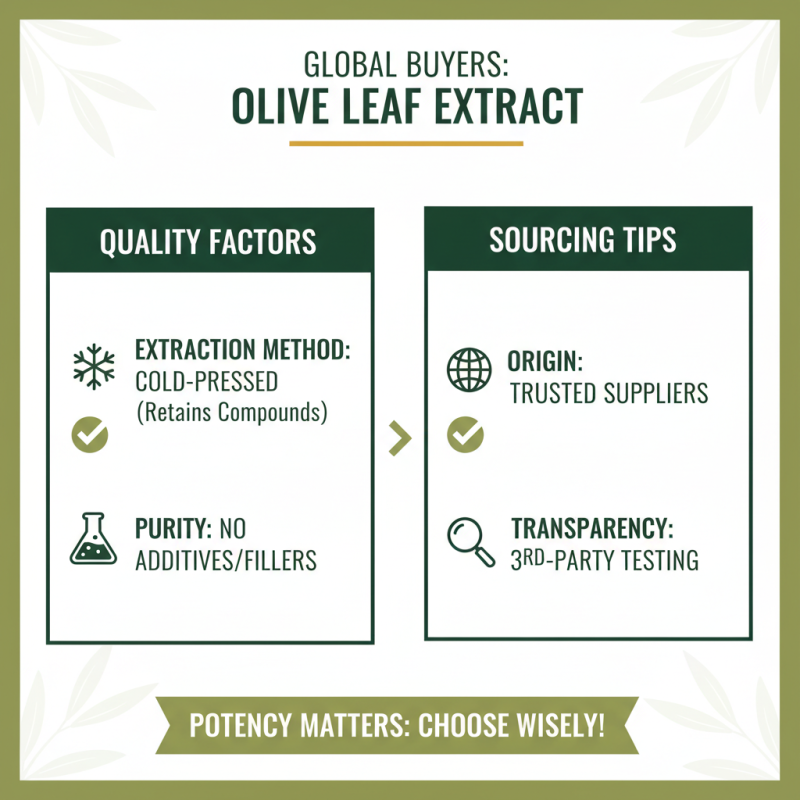
While many people are drawn to its potential anti-inflammatory and antioxidant properties, not all products are created equal. The extraction process and sourcing can greatly affect the potency and efficacy. Therefore, it's essential for global buyers to thoroughly vet products and suppliers. Understanding these factors will help ensure that consumers make informed choices about Olive Leaf Extract.

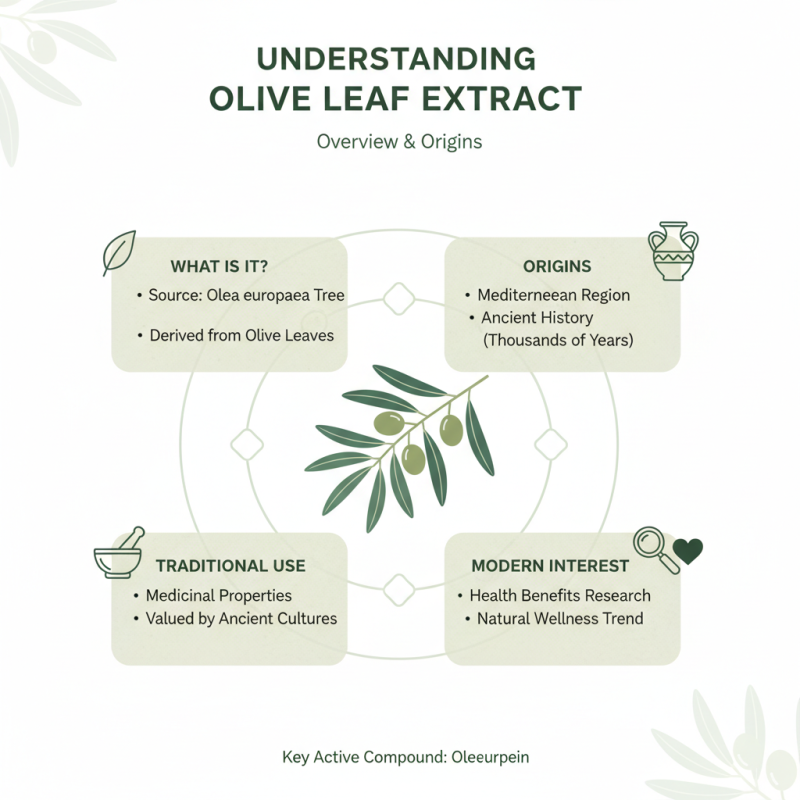
Understanding Olive Leaf Extract: Overview and Origins
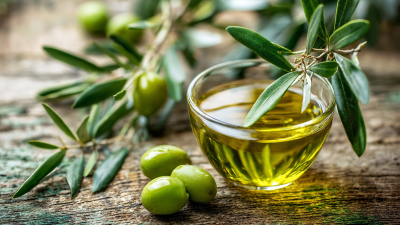
Olive leaf extract comes from the leaves of the olive tree, known scientifically as Olea europaea. This tree has a rich history, tracing back thousands of years. It originated in the Mediterranean region, where it was valued for its health benefits. The extract is not just a modern trend; it has been used traditionally in cultures for its medicinal properties. Recognized for its potential, it has piqued the interest of researchers and health enthusiasts alike.
The extract contains bioactive compounds, such as oleuropein. These compounds are credited with various health benefits, including antioxidant and anti-inflammatory effects. While many claim positive outcomes, it's essential to approach such claims critically. Individual responses to the extract can vary. Not everyone experiences the same benefits. Some may find it helpful for overall wellness, while others might notice little to no change.
However, it’s vital to consider quality when choosing olive leaf extract. Different extraction methods can influence effectiveness. Reliability of sources is another factor to reflect on. Not all products may deliver the same potency or purity. Talking to healthcare professionals before incorporating it into your routine is advisable. Understanding its origins and potential may enhance your perspective on this versatile extract.
Key Nutrients and Compounds in Olive Leaf Extract
Olive leaf extract is rich in several key nutrients and compounds. The primary component is oleuropein, which has been linked to various health benefits. According to a study published in *Phytotherapy Research*, oleuropein exhibits strong antioxidant properties. Antioxidants help combat oxidative stress, reducing the risk of chronic diseases. This makes olive leaf extract an appealing choice for health-conscious consumers.
In addition to oleuropein, olive leaf extract contains flavonoids and phenolic acids. Flavonoids, such as luteolin and apigenin, have been studied for their anti-inflammatory effects. The Journal of Nutritional Biochemistry highlighted that these compounds can improve cardiovascular health. Polyphenolic compounds also play a role in enhancing the immune system's function. Research indicates that proper intake of these nutrients can bolster overall well-being.
Despite the numerous benefits, it's essential to consider dosage and individual reactions. Overconsumption may lead to gastrointestinal issues for some users. It's vital to approach supplementation with care and seek professional advice. As the market grows, understanding these compounds is crucial for responsible usage in dietary choices.
Health Benefits of Olive Leaf Extract: Evidence and Research
Olive leaf extract has garnered attention for its potential health benefits. Research highlights its rich content of antioxidants. These compounds help combat oxidative stress and support overall well-being. Studies indicate that olive leaf extract may enhance cardiovascular health. It could improve blood circulation and reduce blood pressure levels.
The anti-inflammatory properties of olive leaf extract are also promising. Some research suggests it may alleviate symptoms of certain chronic conditions. People with arthritis have reported less discomfort after using this extract. However, it's crucial to recognize that results can vary. More extensive studies are needed to confirm these findings.
Many are curious about olive leaf extract's role in immune support. Some evidence suggests it may bolster the body’s defenses against infections. While these potential benefits are intriguing, individual experiences can differ. It's wise to approach this remedy with informed caution and an open mind. Further research may reveal even more uses in the future.
Top Benefits of Olive Leaf Extract for Global Buyers
| Benefit |
Description |
Scientific Evidence |
| Antioxidant Properties |
Olive leaf extract helps combat free radicals, reducing oxidative stress in the body. |
Studies have shown that olive leaf extract contains compounds like oleuropein which exhibit significant antioxidant activity. |
| Blood Pressure Regulation |
It may help lower blood pressure levels in hypertensive individuals. |
Clinical studies suggested that olive leaf extract can contribute to decreased blood pressure readings. |
| Anti-Inflammatory Effects |
Possesses anti-inflammatory properties that can help reduce symptoms of inflammation. |
Research indicated that oleuropein inhibits the inflammatory response in various studies. |
| Immune System Support |
Enhances the immune system's response to infections and diseases. |
Evidence shows that olive leaf extract can boost the activity of certain immune cells. |
| Antimicrobial Activity |
May help fight against various pathogens, including bacteria and viruses. |
Studies have reported that olive leaf extract exhibits antimicrobial properties against multiple strains of bacteria. |
Potential Uses of Olive Leaf Extract in Health and Wellness
Olive leaf extract has gained recognition in the health and wellness sector due to its numerous potential benefits. Research indicates that it contains a compound called oleuropein, which may support immune function. A study published in the Journal of Nutritional Biochemistry suggests that oleuropein possesses antioxidant properties, potentially reducing oxidative stress in the body.
Additionally, olive leaf extract may contribute to cardiovascular health. According to data from the American Journal of Clinical Nutrition, compounds in olive leaves can help lower blood pressure and improve cholesterol levels. These effects align with the Mediterranean diet's health principles, enhancing its popularity among global buyers.
While the extract is promising, more extensive human trials are needed to solidify these claims. Some users report mild digestive discomfort or allergic reactions, indicating variability in individual responses. This highlights the importance of consulting healthcare professionals before integrating olive leaf extract into daily routines.