How to Use Stevia Extract for Healthy Sweetening Options?
The rise of health-conscious consumers has brought alternative sweeteners into the spotlight. Among these, Stevia Extract stands out due to its natural origin. A report by the International Stevia Council notes that Stevia has gained immense popularity, with a 20% annual growth rate in the global market. This trend shows no signs of slowing.
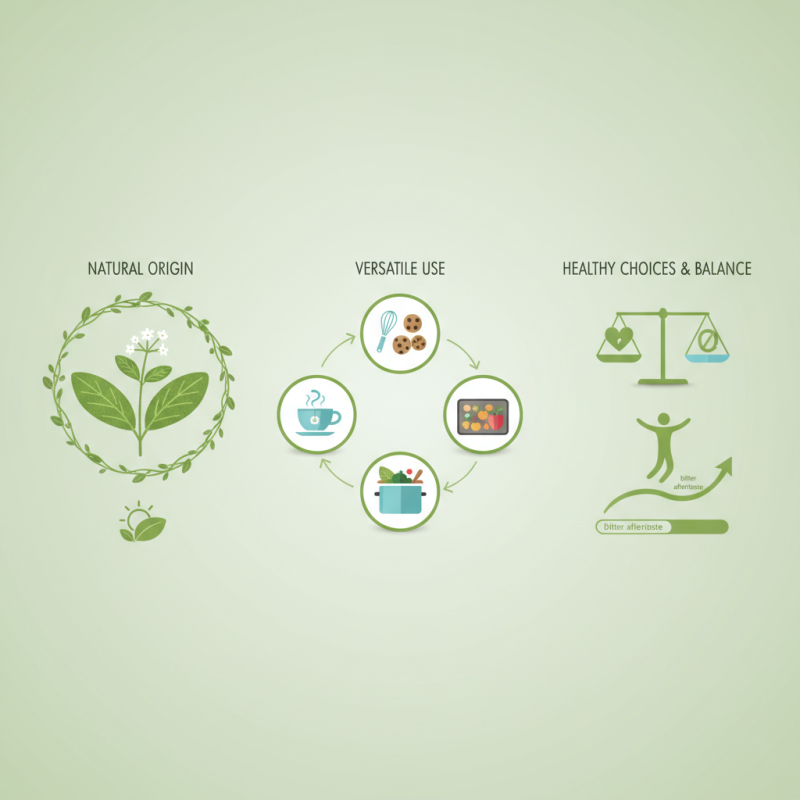
Stevia Extract is not just popular; it is also versatile. It can be used in beverages, baking, and cooking. As people seek low-calorie options, Stevia serves as a perfect substitute. Industry research indicates that nearly 60% of consumers prefer sweeteners that offer health benefits. However, there are challenges. Some users report a bitter aftertaste that can be off-putting. It’s important for consumers to experiment and find the right balance.
Understanding how to effectively use Stevia Extract can transform your sweetening options. Many people are unaware of its distinct flavor profile. They may also be uncertain about dosage. Knowing how to incorporate it into everyday recipes can lead to healthier choices. As the market evolves, so do our opportunities to enjoy sweetness without guilt.
Understanding Stevia Extract and Its Benefits for Health
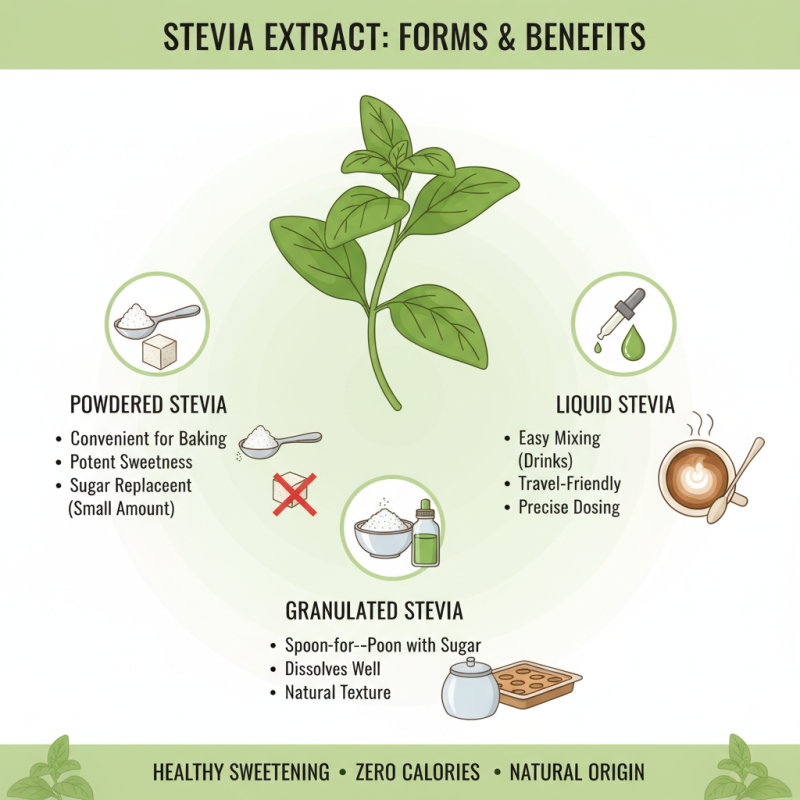
Stevia extract is gaining popularity as a natural sweetener. It comes from the leaves of the Stevia rebaudiana plant. This plant is native to South America, where it has been used for centuries. Stevia is much sweeter than sugar, yet it has zero calories. This makes it an attractive option for those looking to reduce sugar intake.
Using stevia extract can have several health benefits. It does not affect blood sugar levels, making it suitable for diabetics. Some studies suggest that stevia may also help lower blood pressure. However, individual reactions can vary. Some people might find stevia has a bitter aftertaste. It can take time to adjust to its unique flavor. Experimenting with small amounts at first may help in finding the right balance.
Incorporating stevia extract into your diet can be simple. You can add it to beverages, yogurt, or baked goods. Consider how it interacts with other ingredients, as not all recipes will translate well. Life is about trying new things, and finding the right sweetening option often involves trial and error. Embrace the process, and don’t be afraid to modify recipes as needed.
Stevia Extract Health Benefits Comparison
How to Measure and Substitute Stevia for Sugar in Recipes
When substituting stevia for sugar, accuracy is key. Stevia is significantly sweeter than sugar. Typically, a teaspoon of stevia can replace a cup of sugar. This steep difference complicates many recipes. It’s essential to measure precisely to maintain the intended flavor profile.
The conversion ratios can vary. For instance, according to a report by the International Stevia Council, a common ratio is 1:1 for blended stevia products. However, pure stevia extract is about 100 to 300 times sweeter. Mixing stevia with other sweeteners may yield a balanced taste. The goal is to reduce sugar while enhancing flavor.
Experimentation is often necessary. Some find stevia has a lingering aftertaste. Finding the right balance can take time. Start with small amounts and adjust gradually. Rely on personal taste preferences and the characteristics of each recipe. The journey to achieving the perfect sweetness can be challenging but rewarding.
How to Use Stevia Extract for Healthy Sweetening Options
| Ingredient |
Sugar Quantity |
Stevia Equivalent |
Usage Tips |
| Baking Soda |
1 cup |
1 teaspoon of liquid stevia |
Add moisture to the recipe. |
| Granulated Sugar |
1 cup |
1/2 teaspoon of powdered stevia |
Adjust liquids if needed. |
| Brown Sugar |
1 cup |
1 teaspoon of liquid stevia |
Consider adding a bit more liquid. |
| Honey |
1 cup |
1 teaspoon of liquid stevia |
Reduce other liquids in the recipe. |
| Maple Syrup |
1 cup |
1 teaspoon of liquid stevia |
Adjust the liquid content. |
Incorporating Stevia Extract into Beverages and Desserts
Stevia extract is a natural sweetener, ideal for flavorful beverages and desserts. It offers a sweet touch without the calories. Try adding it to your morning coffee or tea. Just a drop can transform your drink. It is a great alternative for sugar lovers.
For desserts, stevia pairs well with fruits. Use it when baking, but be cautious. The sweetness can be overwhelming. Start with just a little, taste, and adjust. Homemade smoothies are another fantastic option. Blend your favorite fruits with stevia for a refreshing treat.
Experimenting with stevia can be tricky. Sometimes, the aftertaste can surprise you. It doesn’t always behave like sugar in recipes. Reflection on your preferences is key. Everyone’s taste buds differ. Keep adjusting until you find the perfect balance. Enjoy the journey of sweetening your life healthily!
Potential Side Effects and Considerations When Using Stevia Extract
Stevia extract is gaining popularity due to its natural sweetness. However, consumers should be aware of potential side effects. Some individuals experience digestive issues, such as bloating or gas. This is a common reaction among those new to stevia. A 2018 study showed that about 4% of participants reported gastrointestinal discomfort.
Another consideration is blood sugar levels. While stevia does not raise blood glucose, its long-term effects on insulin sensitivity are still being studied. Research from the Journal of Dietary Supplements indicates that stevia may have varying effects depending on individual metabolic responses. This variability calls for careful monitoring, especially in those with diabetes.
Lastly, allergies are rare but possible. Some users have reported allergic reactions, including rashes. Regular testing and gradual introduction can help identify any adverse reactions. Users should pay close attention to their body's responses and consult healthcare professionals if any issues arise.