How to Use Fisetin for Health Benefits and Anti Aging?
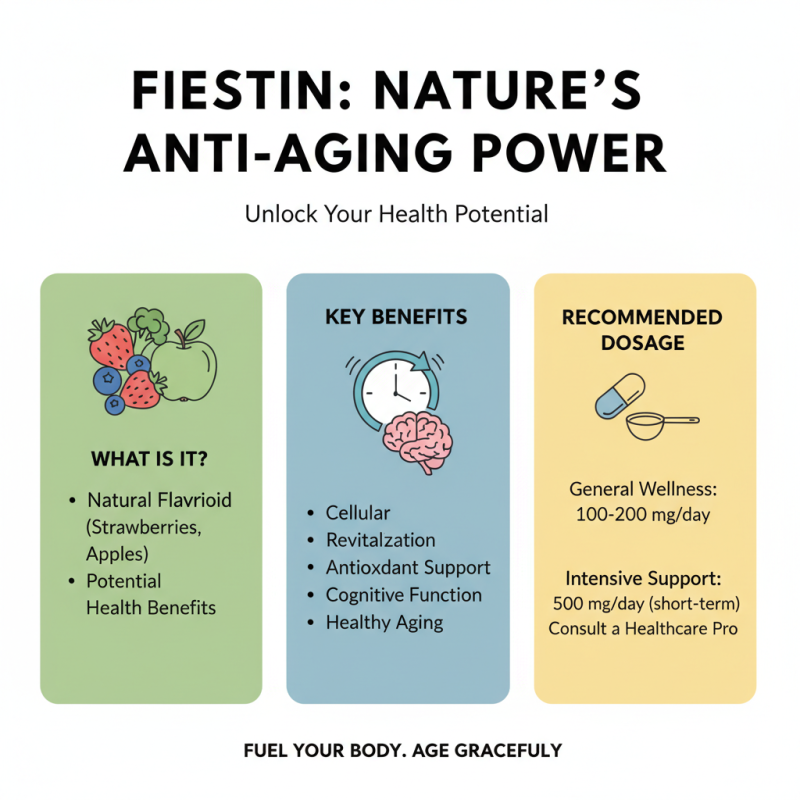
Fisetin is a flavonoid found in various fruits and vegetables, particularly strawberries and apples. Numerous studies highlight its potential health benefits, particularly in anti-aging and cognitive enhancement. According to research published in the journal "Nutrients," Fisetin shows promise in promoting neuroprotection and reducing inflammation. Such properties may significantly impact age-related cognitive decline.
The global anti-aging market is projected to reach $421 billion by 2027, reflecting a growing interest in natural solutions like Fisetin. This compound may help fight oxidative stress, which contributes to aging. Some studies suggest Fisetin can even encourage the elimination of senescent cells, potentially enhancing longevity. However, results can vary, and more extensive research is necessary to understand its effects fully.
While incorporating Fisetin into a diet may seem beneficial, it's vital to approach it with caution. Not every individual may respond positively. Dosage and bioavailability play significant roles in its effectiveness. As interest in Fisetin grows, consumers should seek reliable sources and remain informed about ongoing research to make educated choices for their health.

What is Fisetin and Its Sources?
Fisetin is a powerful flavonoid found in various fruits and vegetables. It has gained attention for its potential health benefits and anti-aging properties. This antioxidant is present in strawberries, apples, grapes, and onions. It helps fight oxidative stress and inflammation. You might be surprised to learn that higher concentrations are often found in lesser-known foods too.
Incorporating fisetin into your diet can be simple. Aim to eat a handful of strawberries daily or add apples to your meals. Experiment with different fruits to find what you enjoy. Cooking with onions can also help you reap the benefits. The best part? You can do this while savoring delicious flavors.
**Tip:** Try blending fruits like strawberries and apples into smoothies. This adds variety and ensures you’re getting enough of this beneficial compound.
It's important to note that while fisetin has impressive benefits, it's not a miracle cure. Individual results may vary, and more research is needed to fully understand its effects. Balance your diet with other nutrients for optimal health.
**Tip:** Always consult with a healthcare professional before making significant dietary changes, especially if you have existing health concerns.
Health Benefits of Fisetin: An Overview
Fisetin is a flavonoid gaining attention for its health benefits. It's found in various fruits and vegetables, particularly strawberries, apples, and onions. Recent studies suggest that fisetin may support cognitive function. One research report indicated that fisetin could improve memory in aging mice by 25%. This data shows potential benefits for humans as well.
Another area of interest is fisetin's ability to combat inflammation. Chronic inflammation contributes to many age-related diseases. A study highlighted that fisetin reduces inflammatory markers in the body significantly. Regular consumption may lead to better overall health and longevity.
Tips: Start by adding strawberries to your breakfast. Aim for a handful daily. Consider incorporating fisetin-rich foods into your meals regularly. Remember, balance is key. Over-reliance on any one supplement may lead to missed nutrients elsewhere. Keep evaluating your diet for a more holistic approach to health.
Health Benefits of Fisetin
Fisetin and Its Role in Anti-Aging
Fisetin has gained attention for its potential in promoting health and combating aging. This natural flavonoid is found in fruits and vegetables, including strawberries and apples. Research suggests fisetin may aid in cellular repair and support overall health. It acts as an antioxidant, helping the body fight oxidative stress. Such stress contributes to aging.
One intriguing aspect of fisetin is its role in longevity. Studies indicate it may enhance the lifespan of cells. In doing so, it promotes a healthier aging process. It helps eliminate senescent cells, which can lead to inflammation and other issues. Moreover, fisetin could support cognitive function, an essential factor as we age.
While the benefits are promising, there is still much to understand. Individual responses to fisetin may vary greatly. This variation can depend on diet, lifestyle, and genetics. Some may find fisetin offers many advantages, while others might not notice any change. Exploring this compound requires both enthusiasm and critical thinking to assess its effects.
Recommended Dosages of Fisetin for Optimal Benefits
Fisetin is a naturally occurring flavonoid found in various fruits and vegetables. It has gained attention for its potential health benefits and anti-aging properties. To harness these advantages, it is crucial to consider the recommended dosages.
Studies suggest a dosage ranging from 100 mg to 500 mg per day. Individual needs may vary, depending on specific health goals and conditions. Starting with a lower dose, like 100 mg, might be smart. Gradually increasing it can help assess tolerability and efficacy. Some users report noticeable effects at doses as low as 150 mg, while others opt for higher amounts.
Not all responses to Fisetin are positive. Some people may experience digestive upset or slight headaches. It’s essential to listen to your body. Adjusting the amount based on personal reactions can lead to better outcomes. Tracking your progress can help you refine your dose and maximize benefits. Consider keeping a journal to document feelings or side effects. This reflection could guide future decisions on Fisetin use.
Potential Side Effects and Considerations of Fisetin Use
Fisetin is a naturally occurring flavonoid found in various fruits and vegetables. While it shows promise for health benefits and anti-aging effects, potential side effects must be considered. Limited studies suggest that fisetin can interact with certain medications. Individuals on blood thinners, for example, may need to be cautious.
Some people report mild digestive discomfort when taking fisetin supplements. This can manifest as nausea or upset stomach. Such effects may vary widely among individuals. Always consult with a healthcare professional before starting any new supplement regime.
Potential allergic reactions should also be noted. Signs may include rashes or swelling. These reactions are rare, but awareness is crucial. Monitoring your body's response is essential. It can be beneficial to start with lower doses. Adjust the intake based on how you feel. This approach promotes a safe exploration of fisetin’s potential benefits.