Top 10 Benefits of Nicotinamide Adenine Dinucleotide Hydrate?
Nicotinamide Adenine Dinucleotide Hydrate (NADH) is a powerful coenzyme found in every living cell. This vital component plays a crucial role in cellular metabolism and energy production. Recent studies highlight its numerous health benefits, attracting attention from both scientists and health enthusiasts. Understanding these benefits can enhance your overall wellness.
The first benefit of NADH involves its significant impact on energy levels. Many individuals experiencing fatigue may find relief through NADH supplementation. Additionally, it supports cognitive functions, promoting better focus and mental clarity. For those navigating the complexities of daily life, this could make a noticeable difference.
Moreover, Nicotinamide Adenine Dinucleotide Hydrate aids in cellular repair and longevity. As we age, cellular damage accumulates, affecting our health. NADH has shown promise in combating this damage, potentially extending lifespan. However, while the benefits are compelling, more research is needed to fully understand its long-term effects. As you explore NADH's potential, it is essential to approach its use thoughtfully and consult with healthcare professionals when necessary.
What is Nicotinamide Adenine Dinucleotide Hydrate?
Nicotinamide adenine dinucleotide hydrate (NADH) is a vital coenzyme present in all living cells. It plays a critical role in energy production, facilitating cellular metabolism. This compound is crucial for converting nutrients into energy, making it essential for overall health. According to industry reports, NADH levels decline with age, affecting energy and vitality.
Research indicates that NADH can enhance mitochondrial function. Mitochondria are the powerhouses of the cell. A study published in the Journal of Biological Chemistry shows that increasing NADH can improve energy metabolism. This is particularly relevant for older adults or those experiencing chronic fatigue. Improved NADH levels can lead to better physical performance and cognitive function.
Tips: To optimize NADH levels, consider incorporating food sources rich in vitamin B3, such as legumes, fish, and whole grains. Regular exercise can also boost NADH production naturally. Remember, maintaining a balanced diet is essential for overall energy levels. Reflect on your daily habits and how they impact your health and energy.
Role of NADH in Cellular Metabolism and Energy Production
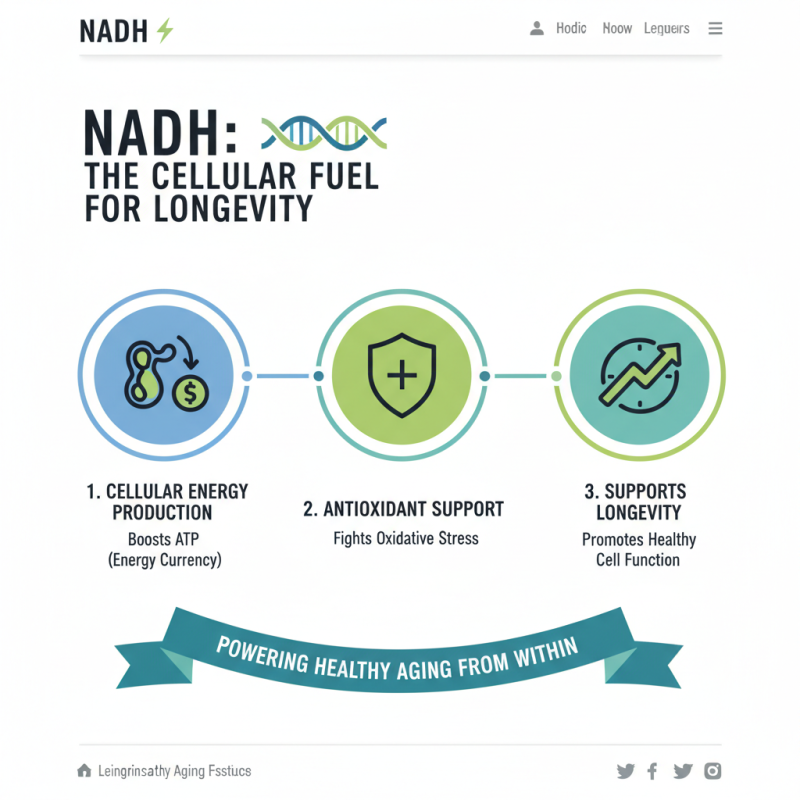
Nicotinamide adenine dinucleotide hydrate, or NADH, is vital for cellular metabolism. It plays a crucial role in energy production within our cells. By transferring electrons in metabolic processes, NADH enables the conversion of food into ATP, our energy currency. This complex process occurs in the mitochondria, where NADH’s presence ensures optimal energy output.
NADH also aids in the respiratory chain, essential for aerobic metabolism. Here, it helps transport electrons, enhancing ATP synthesis. Without adequate NADH levels, cells may struggle. This deficiency can lead to decreased energy levels and overall fatigue. Balancing NADH levels is essential for maintaining vitality and metabolic health. Many factors, like age and poor diet, could impact NADH production.
Exploring the functions of NADH reveals its multifaceted importance. While we focus on its role in energy production, NADH also contributes to cellular repair and regeneration. This expands our understanding of how energy and cellular health intertwine. A deeper exploration is necessary to grasp its full potential in modern health and wellness strategies.
Top 10 Benefits of Nicotinamide Adenine Dinucleotide Hydrate
| Benefit |
Description |
| Energy Production |
NADH plays a crucial role in ATP synthesis, providing energy for cellular processes. |
| Cellular Repair |
Facilitates repair mechanisms for DNA and cellular damage. |
| Antioxidant Defense |
Helps protect cells from oxidative stress by regenerating antioxidants. |
| Mental Clarity |
Contributes to cognitive function by enhancing brain energy metabolism. |
| Metabolic Regulation |
Aids in regulating metabolic pathways and glucose levels in the body. |
| Immune Function |
Boosts immune response and enhances the efficacy of immune cells. |
| Cardiovascular Health |
Supports vascular function and promotes healthy blood circulation. |
| Longevity |
May contribute to lifespan extension and aging-related health improvements. |
| Enhanced Athletic Performance |
Improves physical endurance and recovery during exercise. |
NADH's Impact on Mental Clarity and Cognitive Function
Nicotinamide Adenine Dinucleotide Hydrate (NADH) plays a crucial role in enhancing mental clarity and cognitive function. This coenzyme actively participates in cellular energy production. By supporting mitochondria, NADH helps cells generate more energy. Increased energy levels can lead to improved focus and alertness.
Research indicates that NADH influences neurotransmitter synthesis. It may boost levels of serotonin and dopamine, which are vital for mood regulation. Those who use NADH may experience reduced brain fog. Tasks requiring mental acuity can become easier. Yet, the effects might vary from person to person. Some individuals might notice little change.
It's important to approach NADH supplementation thoughtfully. Not everyone will benefit equally. In some cases, excessive intake might lead to side effects. Furthermore, cognitive improvements may not be immediate. Users should be patient and mindful of their body’s signals. Continuous research is essential for understanding the full scope of NADH’s impact on cognitive health.
Comparative Analysis: NADH vs. Other Supplements and Nutrients
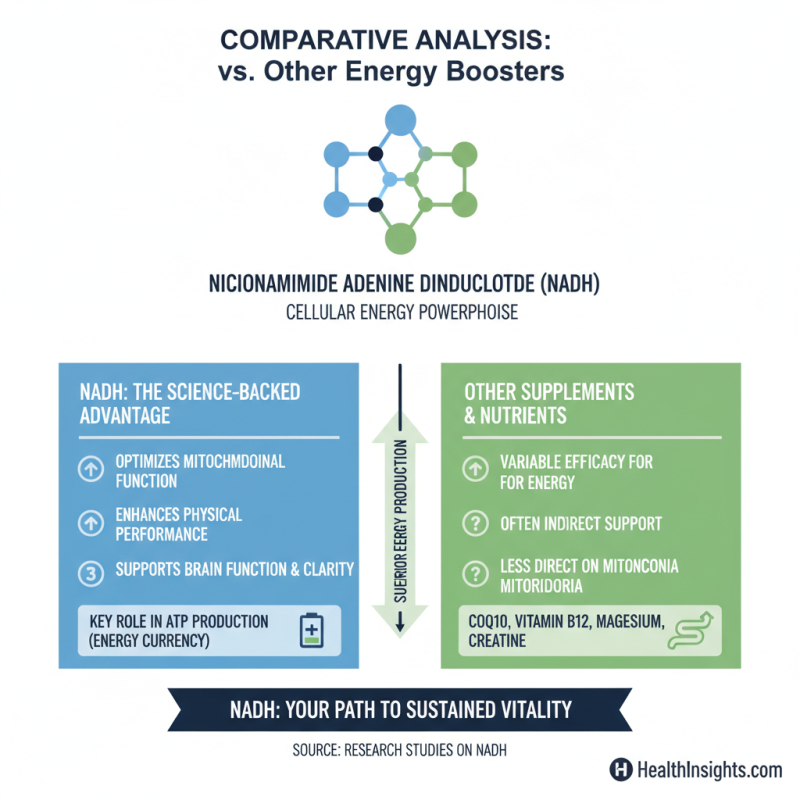
Nicotinamide Adenine Dinucleotide (NADH) plays a vital role in cellular energy production. Research indicates that it may enhance physical performance and brain function. Studies show that NADH supplementation can improve energy levels by optimizing mitochondrial function. This makes it a crucial consideration in a world increasingly focused on energy-boosting nutrients.
When compared to other supplements, NADH stands out for its unique benefits. Unlike traditional vitamins, which mainly address deficiencies, NADH actively promotes energy metabolism. For instance, a report from the Journal of Clinical Investigation found that NADH significantly boosts ATP production, a key energy currency in cells. Other nutrients like CoQ10 offer energy support, but NADH has a direct impact on cellular respiration efficiency.
However, the benefits of NADH are sometimes overstated. Not all studies show dramatic improvements in energy or cognitive functions. Individual responses can vary, and factors such as age and overall health can influence efficacy. This highlights the importance of personalized health assessments before adding supplements to one's diet.