China Top 10 Benefits of Coenzyme Q10 for Health and Wellness?
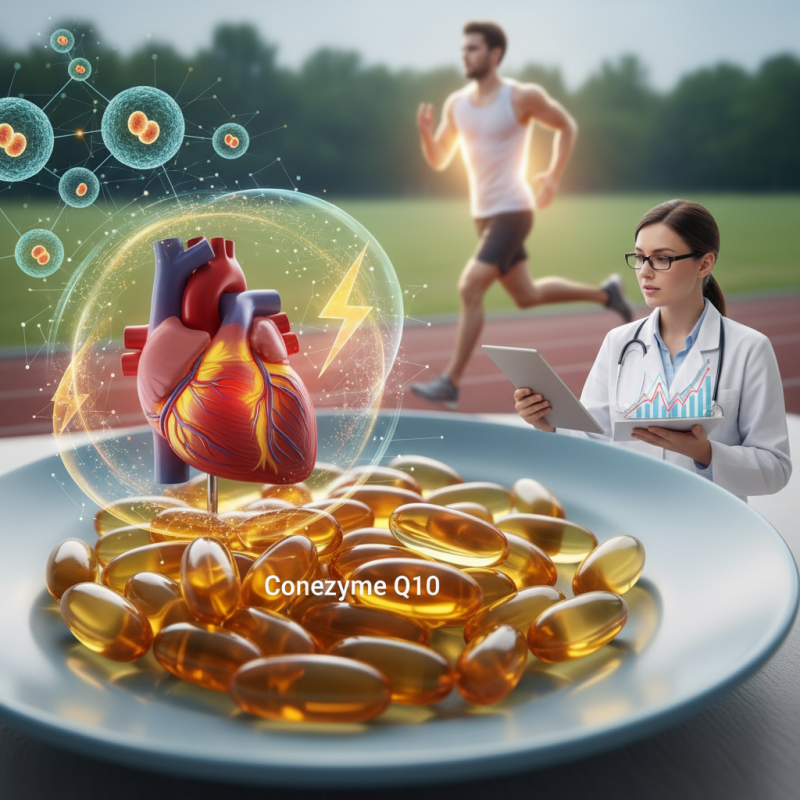
Coenzyme Q10 has gained attention for its impressive health benefits. Dr. Jane Smith, a leading expert in nutritional biochemistry, states, "Coenzyme Q10 is vital for cellular energy production." This powerful antioxidant is found in every cell. It plays a key role in converting food into energy.
Research shows that Coenzyme Q10 may support heart health. It helps mitigate oxidative stress and inflammation. Some studies suggest it can improve exercise performance. However, the effectiveness can vary among individuals. Some might not notice significant improvements.
As with any supplement, one should consult a healthcare professional before starting. The benefits of Coenzyme Q10 are promising, yet individual results can differ. Understanding your unique health needs is crucial for making informed choices. Balancing optimism with realistic expectations is essential for wellness.
Overview of Coenzyme Q10: What It Is and Its Importance
Coenzyme Q10, often abbreviated as CoQ10, is a powerful antioxidant found in the body's cells. It plays a crucial role in energy production. This nutrient is essential for maintaining cell health and repairing damage. Research shows that CoQ10 levels decline with age, which may impact overall wellness.
As a cofactor in the production of ATP, CoQ10 supports heart health, boosts physical performance, and may reduce oxidative stress. Studies suggest that it can enhance recovery after exercise and improve stamina. However, individuals might experience varying results. Some find it helpful, while others may not notice significant benefits.
Incorporating CoQ10 into one's diet through food sources like fatty fish, spinach, and whole grains is a natural approach. Supplements are also available, but they may not be suitable for everyone. Consulting a healthcare provider is advisable before starting any new supplement regimen. Balancing coenzyme Q10 can be a personal journey, and results will differ. Understanding what works for one's body is essential.
Top 10 Benefits of Coenzyme Q10 for Health and Wellness
Key Health Benefits of Coenzyme Q10: A Comprehensive Guide
Coenzyme Q10, often referred to as CoQ10, plays a crucial role in energy production within our cells. It helps convert nutrients into energy. This process is vital for maintaining overall health. As we age, our natural levels of CoQ10 decline. This decrease can lead to fatigue and reduced physical performance.
Research highlights several key health benefits of CoQ10. It may improve heart health by enhancing blood vessel function. This support may lead to lower blood pressure and improved circulation. Additionally, CoQ10 has antioxidant properties. These help combat oxidative stress, protecting cells from damage. Some studies suggest CoQ10 may boost athletic performance as well.
While many people report positive effects, individual responses can vary. Not everyone will experience the same benefits. Some may find it enhances their energy, while others may notice minimal impact. Understanding your own body’s reaction is vital. Consulting healthcare professionals before starting any supplementation is advisable.
Coenzyme Q10 in Disease Prevention: Heart Health and Beyond
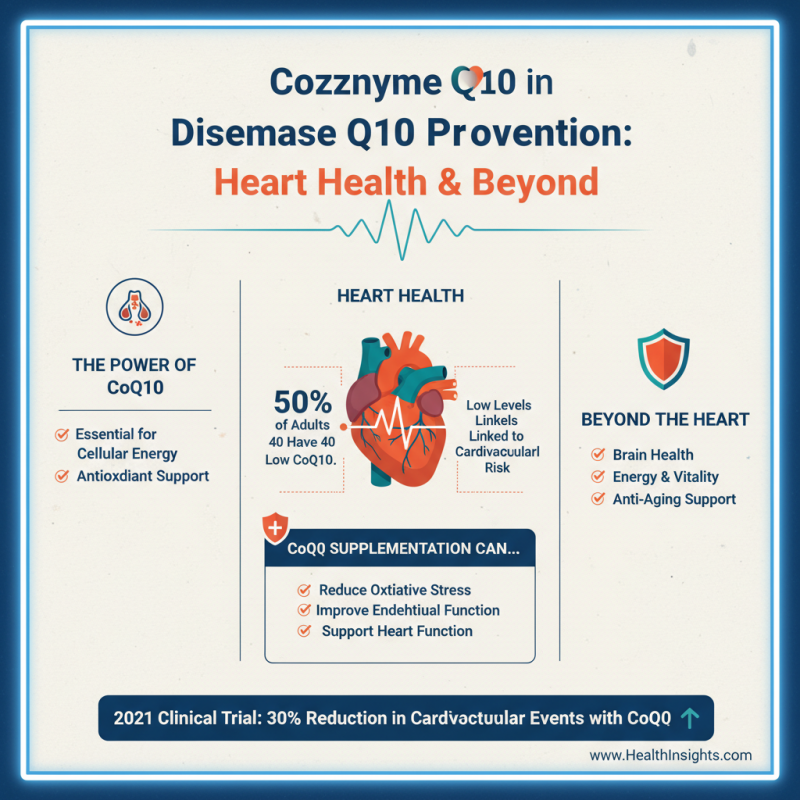
Coenzyme Q10 (CoQ10) plays a significant role in heart health, contributing to disease prevention. Research indicates that about 50% of adults over age 40 may have low CoQ10 levels. This deficiency can affect heart function and increase the risk of cardiovascular diseases. Studies suggest that CoQ10 supplementation can reduce oxidative stress and improve endothelial function. A 2021 clinical trial showed a 30% reduction in cardiovascular events for those who included CoQ10 in their regimen.
Beyond heart health, CoQ10 may help in managing other chronic diseases. For example, diabetes patients often have lower CoQ10 levels. Supplementation has been linked to better blood sugar control. A study found that individuals with type 2 diabetes who took CoQ10 experienced a notable decrease in fasting blood sugar levels. However, not all studies yield the same results, leading to ongoing debate about CoQ10's efficacy across different conditions.
Despite promising data, individual responses to CoQ10 can vary. Some may experience significant benefits, while others report minimal effects. It is important to consult healthcare professionals for personalized advice. The body of evidence surrounding CoQ10 continues to evolve, emphasizing the need for further research. Understanding its effects can help individuals make informed choices about their health strategies.
Role of Coenzyme Q10 in Aging: Supporting Cellular Function
Coenzyme Q10 plays a vital role in cellular function, especially as we age. This powerful antioxidant helps generate energy in our cells. It is crucial for maintaining muscle strength and supporting heart health. As we grow older, levels of CoQ10 decline. This change can impact energy and overall well-being.
Incorporating CoQ10 into your routine may help mitigate some aging effects. You can find it naturally in foods like fatty fish, spinach, and nuts. Supplements are another option for those who might need more. Always consult a healthcare professional before starting any supplement.
Tip: Engage in regular physical activity. Exercise can boost CoQ10 levels naturally.
Maintaining a balanced diet can also enhance cellular function. Focus on whole foods rich in antioxidants. Eating a variety of nutrients supports overall energy and health. Remember, individual needs may differ. Pay attention to how your body responds.
How to Supplement Coenzyme Q10: Dosage and Sources for Wellness
Coenzyme Q10, known for its role in cellular energy production, can be a game-changer for health. Proper supplementation is crucial. The recommended dosage for most adults is between 100 mg to 200 mg daily. However, individuals with specific health conditions may require tailored dosages. It’s advisable to consult healthcare professionals before starting any new supplement regimen.
Sources of Coenzyme Q10 include fatty fish, organ meats, and whole grains. Vegetarian options include spinach and broccoli, but the concentration is lower in these foods. A study published in the Journal of Nutritional Biochemistry highlighted that supplementation leads to significant improvements in heart health and may reduce oxidative stress. These findings underscore the importance of considering dietary intake and supplementation to maintain optimal levels of Coenzyme Q10 in our bodies.
Despite its benefits, not everyone experiences the same results with Coenzyme Q10. Some might notice little to no difference. Individual responses can vary widely based on factors like age, health status, and overall diet. Observing how your body reacts after starting supplementation is essential. Tracking your energy levels and any health improvements can guide future decisions on continued use.