Leave Your Message
*Name Cannot be empty!

Top 10 Ginseng Extract Suppliers Worldwide?

Choosing the Top 10 Ginseng Extract Suppliers Worldwide requires more than comparing prices or polished websites. Buyers need evidence of consistent quality, transparent sourcing, and responsible manufacturing practices. This guide examines suppliers through practical criteria, including ginseng species, cultivation regions, extraction methods, ginsenoside testing, batch documentation, and production capacity. A reliable supplier should explain whether its material comes from Panax ginseng, American ginseng, or another recognized variety. Small details matter, such as the harvest year, root-to-extract ratio, storage temperature, and certificate of analysis.

The companies discussed here represent different strengths rather than one universal standard. Some focus on standardized Ginseng Extract for dietary supplements, while others serve beverage, cosmetic, or functional food manufacturers. Their certifications, testing systems, traceability procedures, and export experience deserve careful review. Independent laboratory verification can also reveal differences that marketing language hides. Not every supplier will fit every buyer.

That is important.

This ranking is therefore a research starting point, not a final purchasing decision. Supplier information can change, and public claims may not show the full operational picture. Buyers should request current documents, test samples, confirm applicable regulations, and assess communication before signing a contract. My evaluation also recognizes an uncomfortable limitation: price, availability, and quality can vary between batches and regions. A strong supplier relationship depends on repeated verification, not a single impressive sample. The following overview aims to make that process clearer, more practical, and easier to question.

Top 10 Ginseng Extract Suppliers Worldwide?

What Ginseng Extract Is and How It Is Produced

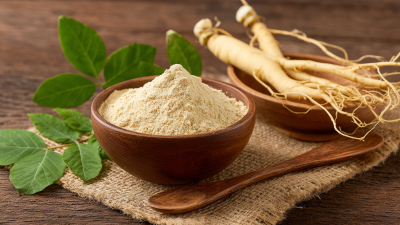
Ginseng extract is a concentrated preparation made from ginseng roots. It contains compounds called ginsenosides, which help define its chemical profile. The result may be a powder, liquid, or soft extract. Production begins with authenticated roots, often selected by species, age, and growing region. Roots are washed, dried, and cut before extraction. Water or food-grade ethanol can draw soluble compounds from the plant material. The liquid is then filtered, concentrated, and dried when a powder is required. Heat must be controlled. Excessive heat can affect color, aroma, and sensitive components.

Good suppliers should explain their raw-material testing and extraction conditions. I would request a certificate of analysis for every production lot, not just a general sample. Testing may include ginsenoside levels, moisture, microbial limits, heavy metals, and pesticide residues. Traceability matters too. A clear batch code should connect the finished extract with its farm or processing record. Some specifications look impressive but remain incomplete. This is where careful review is necessary.

Tips: Compare products by ginsenoside profile, not extract ratio alone. Ask whether the extract is standardized and how that value was measured. Check storage instructions, packaging integrity, and shelf-life data. A darker extract is not automatically stronger. Taste and color can vary naturally. Independent laboratory verification adds confidence, although it cannot replace responsible supplier audits.

How to Evaluate Ginseng Extract Suppliers Worldwide

Top 10 Ginseng Extract Suppliers Worldwide

How to Evaluate Ginseng Extract Suppliers Worldwide

A reliable supplier should provide clear botanical identification, plant part details, and extraction methods. Ask whether the extract comes from cultivated or wild-harvested roots. Origin affects composition, supply stability, and price. Experienced buyers should request recent certificates of analysis for every production batch, not only a standard template.

Check ginsenoside testing by HPLC or UPLC, with stated marker compounds and acceptance limits. A credible laboratory should explain its test method and detection capability. Review results for heavy metals, pesticides, microbes, and residual solvents. GMP, HACCP, or ISO certification can support confidence, but certificates alone prove little. Visit the facility when possible.

Traceability matters. Batch codes should connect raw materials, processing records, packaging, and shipping documents. Request a representative sample, then compare its color, odor, solubility, and assay results with the final batch. Small samples can mislead. I have seen polished paperwork hide weak communication and inconsistent lead times. Pricing also deserves caution; the lowest quote may reflect lower ginsenoside content or limited testing. Discuss storage conditions, shelf-life data, minimum order quantities, and corrective actions before signing an agreement. A supplier that answers difficult questions clearly is often more dependable than one with impressive marketing.

Top 10 Ginseng Extract Suppliers by Product and Market Focus

Top 10 Ginseng Extract Suppliers Worldwide?

Top 10 Ginseng Extract Suppliers by Product and Market Focus

The global ginseng sector is becoming more specialized. Grand View Research reports continued growth in the global ginseng market through 2030, supported by supplements, functional beverages, and traditional wellness products. IMARC Group also identifies standardized extracts as a major commercial segment. These reports suggest that product focus matters more than simple supplier size.

The top ten supplier profiles include: Korean red-ginseng specialists for concentrated powders; North American growers serving clean-label supplements; Chinese manufacturers focused on white-ginseng extracts; Canadian processors supplying beverage-grade ingredients; organic-certified farms targeting premium retailers; contract manufacturers producing capsules; spray-drying experts for instant powders; low-temperature processors protecting ginsenosides; bulk exporters serving pharmaceutical research; and small-batch suppliers serving cosmetic formulators. Each profile fits a different market need.

Quality evidence remains essential. Buyers should request botanical identity testing, ginsenoside profiles, pesticide screening, microbiological results, and batch traceability. ISO 22000, HACCP, and recognized organic certifications can strengthen supplier evaluation, but certificates alone do not prove extract performance. The Global Ginseng Research Alliance has emphasized the importance of cultivar, harvesting age, and processing conditions. These variables can change the final chemical profile.

This ranking is not flawless. Many suppliers keep pricing, yields, and test data private. Product labels may also use different ginsenoside measurement methods. A lower-cost extract can look attractive, yet perform poorly in formulation trials. Small sample testing is still necessary.

Top 10 Ginseng Extract Suppliers Worldwide? - Top 10 Ginseng Extract Suppliers by Product and Market Focus

Rank Anonymous Supplier Profile Primary Ginseng Type Main Extract Formats Typical Standardization Main Market Focus Common Applications Relevant Quality Requirements
1 East Asian Red Ginseng Specialist Korean red ginseng (Panax ginseng) Water extract, spray-dried powder, liquid concentrate Usually specified by total ginsenosides; product strengths commonly range from low single-digit percentages to concentrated grades East Asia, North America, Southeast Asia Functional beverages, capsules, sachets, traditional herbal products Botanical identity testing, pesticide control, heavy-metal testing, food or supplement GMP
2 North American American-Ginseng Processor American ginseng (Panax quinquefolius) Milled-root extract, dry extract powder, liquid extract Total ginsenosides with optional individual-marker testing, including Rb1 and Re United States, Canada, China, Hong Kong, Southeast Asia Dietary supplements, teas, wellness formulas, premium herbal blends Traceable farm origin, species authentication, contaminant screening, export documentation
3 Large-Volume Asian Botanical Extract Manufacturer Cultivated Asian ginseng (Panax ginseng) Hot-water extract, ethanol extract, granules, instant powder Custom total-ginsenoside specifications for bulk manufacturing China, India, Southeast Asia, Middle East Bulk nutraceutical ingredients, beverages, tablets, herbal formulas Batch consistency, residual-solvent testing, microbiological limits, allergen and adulteration controls
4 Canadian Cultivated-Root Supplier Cultivated American ginseng (Panax quinquefolius) Root powder, dry extract, sliced-root extract, tea-grade material Total ginsenosides and moisture content; grade selected by intended use Canada, United States, East Asia Tea products, capsules, powdered drink mixes, traditional herbal products Agricultural traceability, botanical authentication, microbial testing, country-of-origin records
5 Red-Ginseng Concentrate and Beverage Ingredient Supplier Steamed and dried Asian ginseng Liquid concentrate, fermented extract, soluble granules Total ginsenosides; some products also specify conversion markers formed during steaming or fermentation South Korea, Japan, Southeast Asia, North America Energy drinks, shots, honey blends, ready-to-drink beverages Beverage-grade microbiological control, stability testing, solubility, flavor and color consistency
6 Organic-Oriented Botanical Extract Supplier Organic-certified Asian or American ginseng, subject to supply availability Organic root powder, aqueous extract, certified organic liquid extract Lot-specific ginsenoside assay rather than a universal fixed strength European Union, United States, Australia, premium natural-products channels Organic supplements, clean-label foods, herbal teas, natural wellness products Organic certification, pesticide residue compliance, non-GMO documentation, sustainable sourcing records
7 Pharmaceutical-Grade Botanical Ingredient Producer Validated Panax species extract selected for formulation needs Highly controlled dry extract, granulated extract, formulation-ready concentrate Defined marker compounds, assay range, identity profile and impurity limits European Union, United States, Japan, regulated healthcare markets Pharmaceutical research, clinical nutrition, standardized supplement products Documented quality system, validated analytical methods, batch records, stability data and GMP controls
8 Private-Label Supplement Extract Supplier Asian ginseng, American ginseng or blended Panax extracts Capsule-ready powder, tablet-grade granules, sachet powder, liquid drops Custom specifications based on dosage form, serving size and target market North America, Europe, online wellness brands, retail supplement channels Private-label capsules, immune-support formulas, multibotanicals, sports nutrition Finished-product GMP, label compliance, certificate-of-analysis support, packaging and shelf-life controls
9 Traditional Herbal-Formula Ingredient Supplier Asian ginseng root and red-ginseng preparations Cut root, decoction pieces, granules, concentrated herbal extract Identity, moisture, purity and traditional grade; ginsenoside testing may be included China, Taiwan, Southeast Asia, traditional-medicine markets Herbal prescriptions, decoctions, granulated formulas, practitioner channels Pharmacopoeial identity standards, botanical adulteration checks, heavy-metal and pesticide testing
10 Specialty Fermented-Ginseng Extract Supplier Fermented Asian or American ginseng Fermented dry extract, enzyme-treated powder, liquid concentrate Total ginsenosides plus selected minor or converted ginsenoside markers Japan, South Korea, United States, functional-food markets Beauty-from-within products, functional foods, premium beverages, specialized supplements Fermentation control, microbial strain documentation, stability testing, contaminant and residual-solvent analysis

Note: The profiles are presented without company or brand names. Product strength, certifications, origin and market availability can vary by batch, facility and destination-country regulations; buyers should verify current specifications and certificates of analysis directly with each supplier.

Quality Standards, Certifications, and Testing Practices

Top 10 Ginseng Extract Suppliers Worldwide: Quality Standards, Certifications, and Testing Practices

When comparing the top 10 ginseng extract suppliers worldwide, quality evidence matters more than polished websites. Experienced buyers should request batch-specific certificates of analysis, not generic documents. Reliable suppliers usually follow GMP, HACCP, or ISO 22000 systems. These certifications show controlled processes, but they do not guarantee every batch is perfect.

Identity testing should confirm the correct ginseng species and plant part. HPLC testing can measure key ginsenosides, such as Rb1, Rg1, and Rg3. The report should state methods, detection limits, and acceptance ranges clearly. It should also include heavy metal testing by ICP-MS, pesticide screening, microbial counts, and residual solvent analysis. Moisture and water activity matter too. They affect shelf life.

Traceability should reach the farm, harvest period, extraction site, and packaging lot. During supplier audits, buyers can compare sealed samples with reported results. Independent laboratory testing adds useful distance from the supplier. Still, it costs more. Smaller suppliers may provide fewer records, yet some maintain excellent controls. A certificate alone is not proof. I have seen documents that looked complete but lacked method details or laboratory signatures. That weakness deserves attention. Stability data, packaging specifications, and corrective-action records can reveal how seriously a supplier handles problems. Transparent communication is often more valuable than impressive claims.

Top 10 Ginseng Extract Suppliers Worldwide: Quality Standards, Certifications, and Testing Practices

This benchmark compares the quality-control evidence typically required when evaluating leading ginseng extract suppliers. The index covers identity testing, ginsenoside analysis, contaminant screening, microbiological testing, traceability, and recognized quality-management systems. It is a quality benchmark rather than a company ranking or market-share measurement.

How to Choose the Right Supplier for Your Business Needs

Choosing among the top 10 ginseng extract suppliers requires more than comparing prices. The 2024 HerbalGram Market Report estimated U.S. herbal supplement sales at $12.6 billion in 2023, rising 4.4%. This growth increases pressure on suppliers to prove quality, consistency, and delivery reliability. Ask for the botanical species, plant part, extraction solvent, extract ratio, and ginsenoside standardization. A clear certificate of analysis should include identity testing, heavy metals, pesticides, microbes, and batch numbers. Vague documents are warning signs.

Request samples from different production lots. Test them independently when the product will enter a regulated market. HPLC results should match the promised ginsenoside profile, while stability data should support the stated shelf life. Grand View Research’s 2024 botanical extracts analysis forecasts strong market growth through 2030, making traceable supply chains increasingly important. Check cultivation records, harvest dates, storage temperatures, and transport conditions. WHO good agricultural and collection practices offer a useful benchmark for raw-material controls. Factory audits matter, too. Ask about GMP certification, recall procedures, minimum order quantities, lead times, and backup production capacity. I have found that low prices can hide inconsistent potency or expensive retesting. Still, even a detailed checklist has limits. Supplier communication, especially after a failed batch, reveals more than polished presentations.