Why Is Stevia Extract Popular With Global Buyers?
Why has Stevia Extract become a familiar choice for food and beverage buyers across markets? Part of the answer lies in a small tasting detail: a drink can taste sweet without getting much sugar from the sweetener itself. For manufacturers, this may create room to reformulate teas, flavored waters, yogurt, or tabletop products. But sweetness is only the starting point. Buyers also consider flavor balance, labeling, product stability, and how well an extract performs in a specific recipe.
Stevia Extract is not one uniform ingredient. Its taste and use can vary with the steviol glycosides present, processing methods, and the finished product’s acidity or aroma. A sample that works in a clear beverage may behave differently in a baked or dairy application. Small bench trials matter. So does checking specifications, traceability, and supplier consistency before placing a larger order. Buyers should also confirm that the selected ingredient and its intended use meet applicable requirements in each destination market; rules can differ. There is no shortcut here.
The appeal, then, is practical rather than automatic: a plant-derived sweetening option that may support particular formulation goals, provided the taste and sourcing details fit. The picture is not perfectly simple. Some buyers may find the aftertaste or cost less suitable, and performance can depend on the recipe. A useful introduction to Stevia Extract should weigh these trade-offs alongside consumer demand, reliable supply, and clear quality data. That is how a popular ingredient becomes a workable choice, not just a trend on a purchasing sheet.
Stevia Extract Basics: Steviol Glycosides Are About 200–300× Sweeter Than Sugar
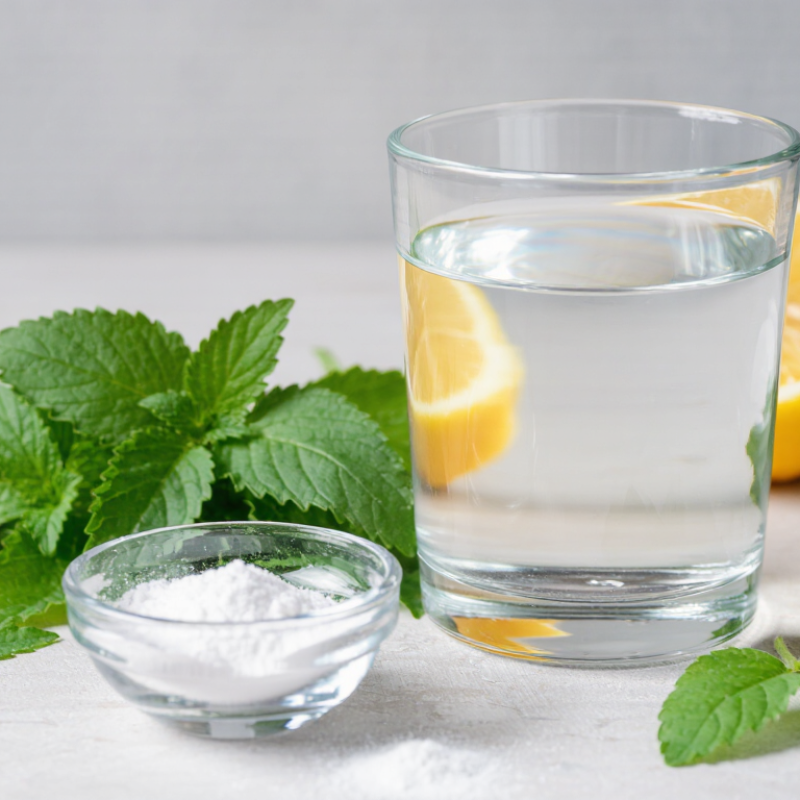
Stevia extract gets its sweetness from steviol glycosides, compounds found in the stevia leaf. The U.S. Food and Drug Administration reports that high-purity steviol glycosides are about 200–400 times sweeter than sugar. The often-quoted 200–300× range is a practical shorthand, not a fixed value. Sweetness varies with the glycoside profile and the food or drink being formulated. JECFA’s food-additive specifications set a minimum of 95% total steviol glycosides for defined preparations. That purity helps explain why “stevia extract” can describe products with different sensory properties.
In a cup of tea, a small quantity can deliver strong sweetness, but it does not replace sugar’s bulk or texture. That detail matters in baking. Some steviol glycosides also leave a lingering or slightly bitter note, especially when used heavily. The taste can be softened through formulation, though results depend on the recipe. JECFA established an acceptable daily intake of 0–4 mg per kilogram of body weight, expressed as steviol. This is a safety assessment, not a suggested daily target. The sweetness number is useful, but it cannot predict every product’s flavor.
From Leaf to Ingredient: Codex Sets a 95% Minimum for Steviol Glycosides
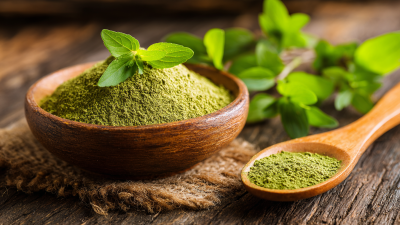
Stevia leaf is not the finished sweetener: manufacturers extract, filter, and purify its naturally occurring steviol glycosides. For buyers, Codex’s food-additive framework and JECFA specifications provide a practical quality reference. JECFA sets a minimum of 95% total steviol glycosides, calculated on a dried basis. This is a composition threshold, not a claim that the extract is 95% leaf or 95% sweeter. That distinction matters.
The WHO and FAO Joint Expert Committee on Food Additives established an acceptable daily intake of 0–4 milligrams per kilogram of body weight daily, expressed as steviol (JECFA, 69th report; WHO Technical Report Series 952, 2009). This is a safety benchmark, not a serving recommendation. At the production site, teams check moisture, glycoside profile, and assay results. Chromatographic testing can help verify composition, while the 95% figure alone says little about flavor. Different proportions of rebaudioside and stevioside may affect sweetness and lingering bitterness. Buyers still need batch records and consistent test results; meeting the minimum is only one part of ingredient quality.
Safety Benchmark: JECFA’s ADI Is 0–4 mg/kg Body Weight per Day
Why Is Stevia Extract Popular With Global Buyers?
A key safety benchmark is the Joint FAO/WHO Expert Committee on Food Additives’ acceptable daily intake (ADI): 0–4 milligrams per kilogram of body weight per day, expressed as steviol equivalents. The range is easy to misread. It does not mean every person should consume that amount, or that every gram of stevia extract equals a gram of steviol equivalents.
For a 60-kilogram adult, the upper end works out to 240 milligrams of steviol equivalents per day. This is a reference for long-term daily intake, not a recommended goal. Extracts differ in their steviol glycoside composition, so the amount of extract corresponding to that figure depends on the product’s composition and conversion factor. Check the relevant technical documentation.
That distinction helps explain why the benchmark matters to buyers comparing sweetener formulations. It offers a shared point of reference, while leaving room for careful assessment of serving sizes and actual consumption. Children have lower body weights, so their corresponding ADI is lower. A number on paper can feel reassuring, but it is not a substitute for clear ingredient data. That part deserves scrutiny.
Why Buyers Choose Stevia: High Sweetness Supports Sugar and Calorie Reduction
Stevia extract is popular with global buyers because a small amount can deliver noticeable sweetness. This gives food and beverage makers room to reduce added sugar in drinks, yogurts, and other products. Small amounts matter. Unlike sugar, steviol glycosides contribute little energy at typical use levels, so replacing some sugar may help lower a product’s calorie content.
The result depends on the recipe. Sugar adds bulk, texture, and browning, not just sweetness. When it is reduced, a drink may be easier to reformulate than a soft baked product. Buyers often compare sweetness levels and test samples in the actual food or beverage, since stevia can leave a lingering or licorice-like note for some people. It is easy to overstate the benefit: using stevia does not automatically make every finished product low in calories.
Careful formulation helps. A development team might test a reduced-sugar iced tea, then check sweetness after chilling, when flavor can seem different. They may also review the full ingredient list and nutrition calculation before making a sugar-reduction claim. Taste remains personal, and one trial may not settle it. The practical advantage is flexibility, not a guaranteed perfect match for sugar.
Why Buyers Choose Stevia: High Sweetness Supports Sugar and Calorie Reduction
Steviol glycosides are typically about 200–300 times sweeter than sucrose, so much smaller amounts can provide sweetness. This can help reduce added sugar and calories in a finished product; the actual calorie reduction depends on the recipe and other ingredients.
Global Procurement Priorities: Purity, Traceability, and Regulatory Compliance
Why Is Stevia Extract Popular With Global Buyers?
Purity is more than a percentage on a specification sheet. Under European Commission Regulation (EU) No 231/2012, steviol glycosides must contain at least 95% total steviol glycosides on a dried basis. Buyers still need to check the individual glycoside profile, moisture, and test methods. A tidy certificate is useful, but it cannot replace a representative batch sample. Numbers matter.
Traceability makes those numbers meaningful. Procurement teams often request lot-specific records linking leaf origin, extraction dates, processing aids, and laboratory results. The FAO/WHO Joint Expert Committee on Food Additives set an acceptable daily intake of 0–4 mg/kg body weight per day, expressed as steviol equivalents. That reference helps buyers assess exposure, while local rules determine market-specific requirements. A supplier’s paperwork should therefore match the intended destination, not just a familiar template. Small gaps matter, too: an unclear lot code can slow a shipment or complicate an audit. Even strong documentation has limits when farms, processors, and laboratories use inconsistent record formats. Good purchasing teams ask for details, then verify them against the actual shipment.