How to Source Ginkgo Biloba Extract for Global Buyers?
Sourcing Ginkgo Biloba Extract involves navigating a complex market. This herbal remedy has gained prominence in recent years. Sales of Ginkgo Biloba Extract have increased by 15% annually, according to the Herbal Market Report 2022. This growth highlights its potential as a key player in the dietary supplement sector.
Ginkgo Biloba Extract is celebrated for its cognitive benefits. Studies show it may enhance memory and improve circulation. Yet, sourcing this extract can present challenges. Quality and consistency vary widely among suppliers. Buyers must prioritize suppliers with reliable testing protocols and high purity standards.
Awareness of potential contaminants is crucial. Some extracts contain low levels of active compounds, which can diminish efficacy. Engaging with reputable suppliers that adhere to industry regulations is vital. Understanding these nuances can lead to better sourcing decisions. This ensures that buyers receive a high-quality product that meets consumer demands.
Understanding Ginkgo Biloba Extract: Characteristics and Benefits
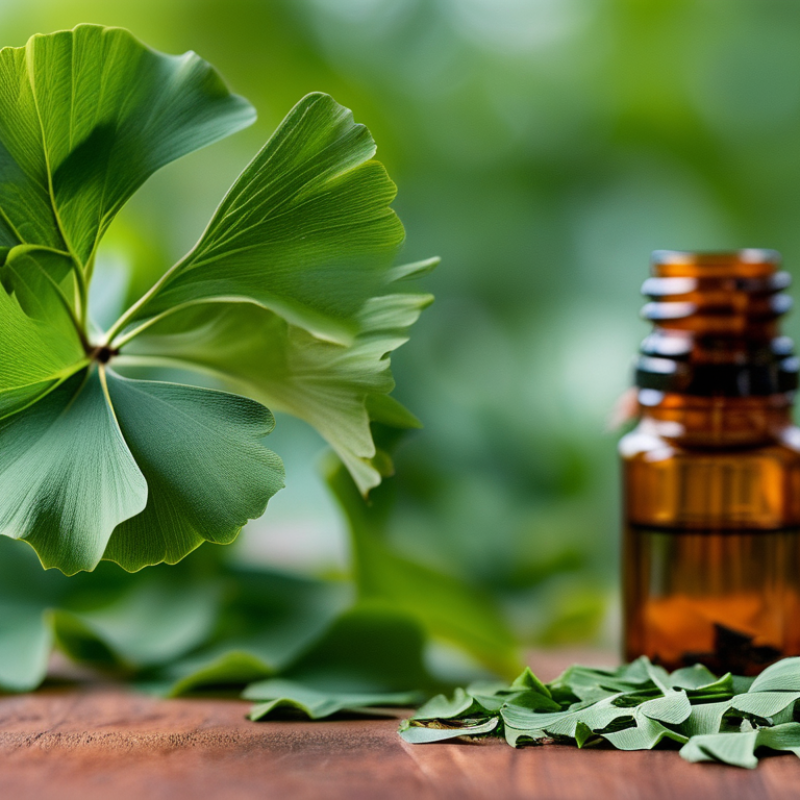
Ginkgo biloba extract is widely known for its potential health benefits. This herbal supplement comes from the leaves of the Ginkgo biloba tree, one of the oldest living tree species. Its extract is rich in flavonoids and terpenoids, which are thought to promote blood circulation and support cognitive function. Some studies suggest it may help improve memory and focus, but results can vary among individuals.
The characteristics of Ginkgo biloba extract make it a popular choice. It is often available in various forms, including capsules, powders, and teas. Each form has its own unique absorption rate and effectiveness. While many people report positive effects, others may experience side effects like headaches or gastrointestinal issues. It's crucial to approach this supplement with balanced expectations.
Safety is an important consideration. Sourcing high-quality Ginkgo biloba extract is vital. Look for suppliers who provide comprehensive information about their products. Ensuring that the extract is standardized for a specific level of active compounds can enhance reliability. Testing for contaminants is also essential. Not all extracts are created equal, and this variability can impact efficacy.
Identifying Reliable Suppliers for Ginkgo Biloba Extract
When sourcing Ginkgo Biloba extract, finding reliable suppliers is crucial. Start by researching potential suppliers online. Look for companies that specialize in herbal extracts. Examine their websites for certifications and quality assurance measures. Accreditation like ISO or GMP can signal a supplier's commitment to quality.
Engage with suppliers directly. Ask about their sourcing practices and extraction methods. Reliable providers will transparently share their processes and quality controls. Request product samples before making large purchases. This allows for firsthand evaluation of the extract’s quality. Be wary of suppliers that hesitate to provide information.
Join forums or groups focused on herbal products. Discussions can guide you toward trusted suppliers. Involving yourself in industry networks builds valuable connections. Still, be cautious and investigate every lead thoroughly. Not all companies are created equal. Your diligence can lead to fruitful partnerships and high-quality Ginkgo Biloba extract.
How to Source Ginkgo Biloba Extract for Global Buyers? - Identifying Reliable Suppliers for Ginkgo Biloba Extract
| Supplier Location |
Quality Certification |
Minimum Order Quantity |
Price Range (per kg) |
Lead Time |
Payment Terms |
| China |
ISO 9001, GMP |
100 kg |
$30 - $50 |
2-4 weeks |
T/T, L/C |
| Germany |
FSSC 22000, ISO 22000 |
50 kg |
$40 - $60 |
3-5 weeks |
PayPal, T/T |
| USA |
NSF, Organic Certified |
200 kg |
$45 - $70 |
1-3 weeks |
Credit Card, T/T |
| India |
Halal, ISO 22000 |
150 kg |
$35 - $55 |
4-6 weeks |
Western Union, T/T |
Evaluating Quality Standards and Certifications for Extracts
When sourcing Ginkgo Biloba extract, evaluating quality standards is crucial. A reliable supplier should provide certifications that reflect their production processes. Look for Good Manufacturing Practices (GMP) certification. This ensures that the extract is produced in a controlled environment. It indicates adherence to safety and quality protocols.
Another important standard is the presence of standardized extract levels. Ginkgo Biloba extract should meet specific flavone glycosides and terpene lactones content. These compounds are key for the extract’s efficacy. Check for third-party testing results too. This adds an extra layer of trust. It shows that an unbiased entity has verified the product's quality.
Be cautious, as not all extracts are created equal. Some may contain additives or lower active ingredient levels. This can affect effectiveness. Engaging with suppliers who maintain transparency in their processes is essential. Ask them about their sourcing methods and raw material origins. This information can help evaluate their overall reliability in providing quality Ginkgo Biloba extract.
Navigating Global Regulations and Compliance for Sourcing
When sourcing Ginkgo Biloba extract, understanding global regulations is essential. Buyers must be aware of international standards and compliance requirements. The global market for Ginkgo Biloba is projected to reach USD 4.27 billion by 2028, reflecting a growing interest. Regulatory frameworks vary significantly across regions. In Europe, the European Food Safety Authority (EFSA) evaluates botanical ingredients rigorously. The USA follows the Dietary Supplement Health and Education Act. Compliance can be complex, but it is crucial for successful sourcing.
Tips: Research each region's regulations before sourcing. Keep documentation organized and up-to-date. This will help streamline the compliance process and avoid potential pitfalls.
Quality assurance is another critical aspect. A report from the American Herbal Products Association indicates that 30% of herbal products may misrepresent their contents. Such discrepancies risk quality and legality. Market buyers should seek suppliers with transparent sourcing practices.
Tips: Request third-party test results from suppliers. This ensures that the extract meets quality standards. Always verify the supplier's certifications to build trust. Understanding and navigating regulations can facilitate smoother sourcing processes while ensuring product integrity.
Establishing Pricing and Negotiation Strategies with Suppliers
Establishing pricing and negotiation strategies with suppliers for Ginkgo Biloba extract can be complex. It's crucial to understand the market dynamics. Research the current market prices and trending demands. This knowledge gives you leverage during negotiations. Suppliers may have different pricing based on quality and sourcing methods. Knowing your product specifications helps in assessing whether their rates are fair.
During negotiations, clarity is key. Articulate your needs and budget upfront. Keep the conversation focused on value rather than just price. Building a good relationship with suppliers can lead to better deals. Be open to discussing terms beyond cost, such as minimum order quantities or payment terms. It's important to reflect on your negotiation tactics frequently. Did you achieve your desired outcomes? Were there any points of discomfort? Continuous improvement in this process can yield better results over time.
Consider multiple suppliers to compare offerings. This not only provides options but can also stimulate better pricing during discussions. However, be cautious of choosing solely based on cost. Cheaper suppliers might compromise quality. Balance is essential. Maintaining a clear perspective on quality versus price will result in a more sustainable sourcing strategy. Always engage suppliers with respect and professionalism to foster long-term partnerships.