2026 How to Source Berberis vulgaris Extract for Your Business?
In the natural products industry, sourcing high-quality ingredients is crucial for success. One of the most sought-after components is Berberis vulgaris extract, well-known for its numerous health benefits. Dr. Emily Patel, a key expert in herbal pharmacology, emphasizes, "Quality sourcing of Berberis vulgaris extract is essential for product efficacy and consumer trust." This extract is rich in berberine, which has been linked to various therapeutic effects.
Understanding how to source Berberis vulgaris extract effectively can greatly enhance your business. The extraction process, the origins of the plants, and the ethical standards of the suppliers all play significant roles. However, not all suppliers provide the same quality or transparency. You may find inconsistencies in purity, potency, or ethical practices that can influence your brand’s reputation.
Navigating the complexities of this market requires diligence and insight. Engaging with credible suppliers is indispensable. Building strong relationships with them can provide you with a competitive edge. Stay informed about potential risks and challenges when dealing with Berberis vulgaris extract. This proactive approach will not only secure quality but also ensure sustainable practices in your business.
Understanding Berberis vulgaris and Its Extract Properties
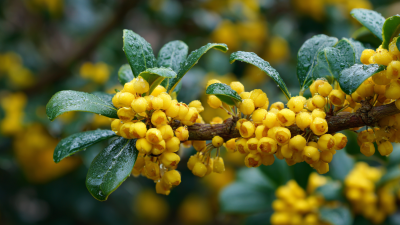
Berberis vulgaris, commonly known as barberry, is a shrub famed for its medicinal qualities. The primary bioactive compound in its extract is berberine, which has garnered attention for its numerous health benefits. Research highlights berberine’s potential in managing blood sugar levels and promoting cardiovascular health. According to a report by the Journal of Ethnopharmacology, berberine can reduce blood glucose levels by up to 30%, making it a focus area for dietary supplement manufacturers.
The extract is rich in antioxidants, crucial for reducing oxidative stress in the body. Studies indicate that barberry extract can combat inflammation, contributing to better overall health. Analysis from the International Journal of Food Sciences shows that this extract contains significant antimicrobial properties, suggesting potential applications in food preservation and natural health products. For businesses, sourcing high-quality Berberis vulgaris extract is critical. Not all suppliers provide the same purity or concentration of active compounds, leading to inconsistencies in product efficacy.
Despite the promising benefits, sourcing challenges remain. Variability in plant cultivation conditions and extraction methods can affect the quality of the final product. Businesses need to carefully vet suppliers, ensuring they prioritize sustainable harvesting and adherence to quality standards. Establishing clear communication with suppliers about quality control measures can mitigate risks in sourcing this valuable extract.
Identifying Reliable Suppliers for Berberis vulgaris Extract
Sourcing Berberis vulgaris extract requires careful supplier evaluation. Reliable suppliers must adhere to strict quality standards. According to industry reports, over 70% of businesses prioritize sourcing from certified suppliers. This ensures the extract is not only authentic but also meets safety regulations.
When assessing suppliers, check for their certifications. Look for ISO certification and Good Manufacturing Practices (GMP) compliance. These indicators highlight a supplier’s commitment to quality and safety. Transparency in sourcing is crucial. An ethical supplier will provide detailed information about their extraction process and raw material sources. Research indicates that suppliers who engage in sustainable harvesting promote ecological balance, which adds value to their products.
Communication helps build trust. Engage suppliers to understand their production methods and quality testing protocols. A good supplier is responsive and willing to share documentation. Always ask for third-party lab test results. These provide assurance of the extract's purity and potency. Consider starting with small orders to test quality before making large commitments. Sourcing Berberis vulgaris extract involves navigating multiple factors. Each step requires thorough diligence to ensure reliability and efficacy in your products.
Evaluating Quality and Purity of Berberis vulgaris Extract
Evaluating the quality and purity of Berberis vulgaris extract is crucial for any business seeking to incorporate this ingredient. The extract, derived from the roots and bark of the Berberis vulgaris plant, has various applications in health and wellness products. When sourcing this extract, businesses must consider several factors to ensure they receive a high-quality product.
First, scrutinizing the sourcing process is essential. Look for suppliers who use organic or ethically harvested plants. Extraction methods can greatly influence purity. Cold extraction methods often retain more beneficial compounds compared to harsher methods. Certificate of Analysis (COA) reports can provide essential information about the extract's composition. These documents should show the percentage of active ingredients and the presence of contaminants. If a supplier cannot provide this documentation, it may raise red flags.
Testing the final product is equally important. Businesses should consider batch testing for heavy metals, pesticides, and microbial contamination. While some suppliers may claim purity, independent testing adds a layer of reliability. Remember, relying solely on supplier claims can be risky. Embedding a culture of quality control within your supply chain will foster trust and protect consumer health.
Navigating Regulatory Requirements for Sourcing Extracts
Navigating the regulatory landscape when sourcing Berberis vulgaris extract is essential for any business. Compliance with local and international regulations can be complex. The European Union’s Novel Food Regulation, for example, requires that any new food ingredient, including plant extracts, undergo rigorous safety assessments. In recent years, around 60% of companies reported difficulties in understanding these regulations. Clarity is crucial to avoid costly mistakes.
Documentation is key when sourcing. Most countries require detailed specifications about the extract’s purity and composition. The World Health Organization emphasizes the importance of proper labeling and traceability. A lack of proper documentation can lead to delays or rejection of shipments. Companies must invest time in building reliable relationships with suppliers who can provide certified documentation.
Moreover, safety assessments are not just regulatory hurdles; they ensure consumer trust. Industry reports indicate that 70% of consumers prioritize safe and well-regulated products. Businesses must remain proactive in staying updated on evolving regulations and standards. Integrating regular training sessions for staff and maintaining open communication with regulatory bodies can help navigate these complexities effectively. Compliance is an ongoing journey, and businesses may need to refine their processes to adapt to changing requirements.
2026 How to Source Berberis vulgaris Extract for Your Business? - Navigating Regulatory Requirements for Sourcing Extracts
| Aspect |
Details |
| Source Region |
North Africa and parts of Europe |
| Regulatory Guidelines |
FDA, EFSA, and local regulations |
| Quality Certifications |
ISO, GMP, and Organic certifications |
| Common Uses |
Health supplements, cosmetics, and food additives |
| Extraction Methods |
Solvent extraction, Steam distillation |
| Sourcing Tips |
Research suppliers, Verify quality, Request samples |
| Potential Risks |
Contaminants, Mislabeling, Regulatory non-compliance |
Establishing Sustainable Purchasing Practices for Your Business
Sourcing Berberis vulgaris extract sustainably is essential for businesses today. This plant, known for its numerous health benefits, requires careful consideration when purchasing. Data from the Global Market Insights shows that the herbal extract market is projected to reach $12 billion by 2026. This growth underscores the need for a reliable sourcing strategy.
To establish sustainable purchasing practices, companies must prioritize suppliers who adhere to ethical harvesting methods. This is crucial as mismanagement can lead to endangering the species. A report from the International Union for Conservation of Nature warns that unsustainable sourcing practices can threaten biodiversity. Engaging with suppliers who commit to sustainable practices enhances trust and builds long-term partnerships.
Additionally, businesses should consider investing in traceable supply chains. This allows for verification of the extraction process and ensures product quality. However, achieving sustainability requires constant adaptation. Factors such as climatic changes and market demands may challenge supply consistency. Reflection on these aspects can lead to better strategies for sourcing Berberis vulgaris extract while promoting environmental responsibility.