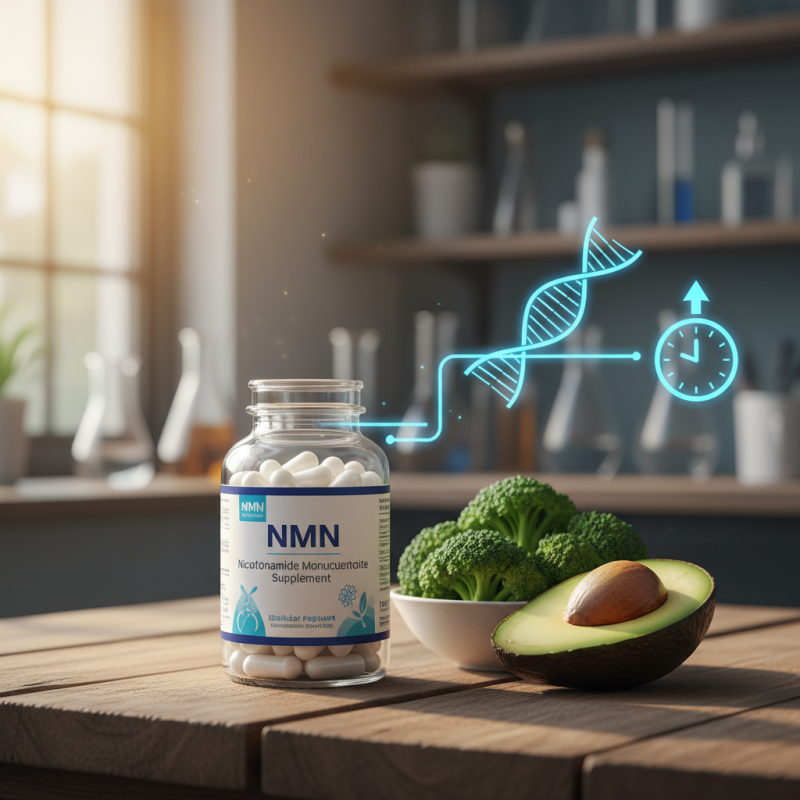
Nmn Nicotinamide Mononucleotide is gaining attention for its potential health benefits. This compound may play a role in energy metabolism and cellular repair. It is believed to boost levels of NAD+, a crucial coenzyme in the body. Higher NAD+ levels might improve cellular functions and promote longevity.
Many people are exploring the sources of Nmn Nicotinamide Mononucleotide. It can be found in certain foods like broccoli and avocado. However, supplements are often preferred for higher doses. The bioavailability of these supplements varies. Some might question their effectiveness and long-term effects.
Considering Nmn Nicotinamide Mononucleotide supplementation, it’s essential to reflect on individual health needs. While many report positive outcomes, more research is required. The journey toward health should be informed and cautious. Choose wisely when considering this promising compound.
Nicotinamide Mononucleotide (NMN) is gaining attention for its potential role in enhancing cellular health. This compound acts as a precursor to NAD+, a crucial molecule for energy metabolism. As cells age, NAD+ levels decline, which may impact overall health. NMN supplementation is thought to help replenish these levels.
Research suggests that NMN may improve various aspects of health, including metabolism and cardiovascular function. Some studies indicate it could enhance physical stamina. Regular intake of NMN might also bolster cognitive functions. Yet, the research is still in its early stages. More comprehensive studies are needed to confirm these benefits.
Sources of NMN include foods like avocados, broccoli, and tomatoes. However, the amounts found in these foods are relatively small. This raises questions about the effectiveness of dietary intake alone. Many choose supplements to achieve higher doses. Yet, the long-term effects of such supplementation remain unclear. Considerations around dosage and individual responses are vital before starting any new health regimen.
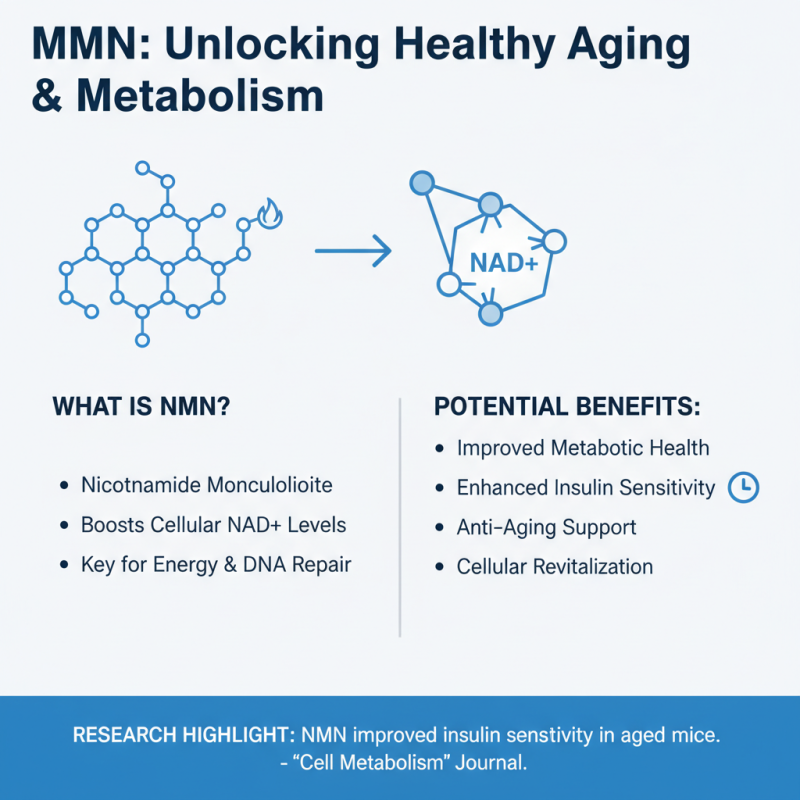
Nicotinamide Mononucleotide (NMN) has gained attention for its potential benefits on aging and metabolic health. Research indicates that NMN plays a crucial role in boosting cellular NAD+ levels. This, in turn, is vital for energy metabolism and maintaining DNA integrity. A study published in the journal "Cell Metabolism" found that NMN improved insulin sensitivity in aged mice, suggesting it could enhance metabolic function in humans.
Furthermore, NMN might slow down age-related decline in physiological functions. A report from the National Institute of Health highlights that NMN supplementation improved mitochondrial function. Mitochondria are the powerhouse of cells, crucial for energy production. Animal studies show that NMN can enhance physical endurance and promote better muscle function. These findings raise questions about long-term benefits and effective dosages for humans.
While the prospects are promising, more human trials are essential. The safety profile of NMN needs further exploration. Many people seek anti-aging solutions without fully understanding their effects. What if NMN doesn’t work for everyone? Differences in genetic backgrounds might influence outcomes. The excitement around NMN must be tempered with these considerations.
Nicotinamide Mononucleotide (NMN) has gained attention for its potential benefits on longevity. Scientific research highlights its role in cellular energy production. NMN is a precursor to NAD+, a vital coenzyme involved in numerous biological processes. As we age, NAD+ levels decline, affecting our energy and metabolic functions.
Studies suggest that NMN supplementation may help restore NAD+ levels. Researchers have observed improved energy metabolism in animal models. This could potentially translate to better health outcomes for humans. Some findings link NMN to enhanced cardiovascular health and increased endurance. However, more human trials are needed to confirm these effects.
The best sources of NMN include foods like broccoli, cabbage, and avocados. While supplementation is one option, obtaining NMN through diet is often overlooked. This raises questions about dietary habits in promoting longevity. It’s essential to reflect on our daily food choices. Are we truly consuming enough nutrient-dense foods? Exploring these sources can lead to a better understanding of NMN's role in our overall health.
Nicotinamide mononucleotide (NMN) is gaining attention for its potential health benefits. Many people wonder where to find this compound in their diet. Understanding the best dietary sources can help you incorporate NMN effectively.
Green vegetables are excellent sources of NMN. Spinach and broccoli stand out for their high nutrient content. These greens provide important vitamins alongside NMN. Mushrooms, particularly Shiitake, are another source worth noting. These fungi offer a unique flavor and numerous health benefits. They may not be everyone's favorite, but their nutritional profile is impressive.
Another source is avocados. They can be added to various dishes, making them versatile. As with any food, the quality matters. Fresh, ripe avocados would be ideal. Other options include dairy products, like milk and yogurt. While they offer NMN, moderation is key. A balanced diet, rich in whole foods, can better support overall health.
This bar chart illustrates the top dietary sources of Nicotinamide Mononucleotide (NMN) based on average content per 100 grams. NMN is a popular supplement for enhancing energy metabolism and promoting longevity.
When considering NMN supplements, recommended dosages vary. Many studies suggest a daily intake between 250 mg to 500 mg for effective results. Some individuals report benefits at lower doses, around 125 mg. It's essential to start with a lower dose and adjust as needed. Everyone's body responds differently.
Safety is another vital aspect. While NMN is generally considered safe, long-term effects are still unknown. Some people may experience mild side effects, such as nausea or digestive discomfort. Monitoring your body’s response is crucial. Consulting a healthcare professional before starting any supplement is always wise. They can help tailor the dosage to your specific needs. It’s about finding the right balance for you.
| Benefit | Description | Best Sources | Recommended Dosage | Safety Considerations |
|---|---|---|---|---|
| Improves Energy Metabolism | Enhances ATP production and energy levels in cells. | Broccoli, Cucumber, Avocado | 250-500 mg per day | Generally safe, consult a doctor if pregnant or breastfeeding. |
| Supports Healthy Aging | May promote longevity by enhancing cellular repair mechanisms. | Fermented Foods, Meat, Fish | 250-500 mg per day | Monitor for side effects; avoid excessive consumption. |
| Enhances Cognitive Function | May improve memory and cognitive performance. | Mushrooms, Dairy, Tomatoes | 250-500 mg per day | Consult a healthcare professional if on medications. |
| Supports Metabolic Health | May improve insulin sensitivity and metabolic functions. | Nuts, Seeds, Green Vegetables | 250-500 mg per day | Monitor blood sugar levels; seek advice during diabetes. |
| Promotes Cardiovascular Health | May help lower cholesterol and support heart health. | Edamame, Fish, Peas | 250-500 mg per day | Consult a doctor if you have existing heart conditions. |