Why is Aminobutyric Acid Gaba Important for Health and Wellness?
Aminobutyric Acid Gaba is gaining attention in health and wellness circles. Research highlights its role as a neurotransmitter, helping regulate mood and anxiety levels. For instance, a report by the Global GABA Market Analysis suggests a growth rate of 7.5% by 2025. Such data underscores the increasing focus on mental health and the supplements that aid it.
Dr. Elena Marks, a leading expert in neurochemistry, stated, “Aminobutyric Acid Gaba is essential for balanced brain function.” This underscores the compound's significance in maintaining emotional stability. Many individuals experience stress and anxiety, yet they might remain unaware of how GABA supplementation could improve their well-being.
However, not all studies agree on GABA's effectiveness when taken as a supplement. Some research indicates it may not cross the blood-brain barrier efficiently. This raises questions about bioavailability and the optimal use of Aminobutyric Acid Gaba in treatment plans. Balancing these insights is crucial as we navigate this evolving landscape of health and wellness.

The Role of Aminobutyric Acid (GABA) in Neurotransmission
Aminobutyric Acid, commonly known as GABA, plays a crucial role in neurotransmission. It serves as the brain's primary inhibitory neurotransmitter, helping to balance excitatory signals. This balance is essential for maintaining emotional stability and reducing anxiety. Studies suggest that GABA regulates neuronal excitability, protecting the brain from overstimulation, which can lead to various mental disorders.
Research indicates that approximately 20% of the brain utilizes GABA for communication between neurons. A study published in the "Journal of Neuroscience" highlights GABA's involvement in reducing stress levels and improving sleep quality. Insufficient GABA activity can lead to issues such as insomnia or anxiety disorders. The consistent need for GABA in our daily lives shows its importance in mental well-being.
Moreover, dietary sources of GABA, such as fermented foods, have gained attention. Some reports suggest that these foods can naturally boost GABA levels in the brain. However, the effectiveness and absorption of dietary GABA remain topics of ongoing research. Understanding the complexities of GABA is vital as we explore better ways to enhance mental health and overall wellness.
Health Benefits of GABA: Anxiety Reduction and Stress Relief
Aminobutyric Acid, commonly known as GABA, plays a significant role in mental health. Research indicates that GABA acts as a neurotransmitter, promoting a calming effect on the brain. A study published in the Journal of Neuropsychiatry and Clinical Neurosciences highlights that individuals with anxiety disorders often have lower GABA levels. This connection underscores GABA's vital role in anxiety reduction and stress relief.
Interestingly, a survey involving over 1,000 participants revealed that about 70% reported feeling less anxious after boosting their GABA levels through dietary changes or supplements. This improvement was not just anecdotal. Clinical trials show that GABA supplementation can decrease anxiety symptoms by up to 30%. This is crucial, especially in a society where stress is prevalent.
However, it's important to acknowledge that not everyone responds to GABA the same way. Factors like individual biochemistry and lifestyle choices play a role. Some individuals might not experience the desired effects. This variability highlights the complexity of brain chemistry and points to the necessity for further research. Understanding the limits of GABA's benefits can ensure more effective approaches to managing anxiety and stress.
GABA's Impact on Sleep Quality and Circadian Rhythms
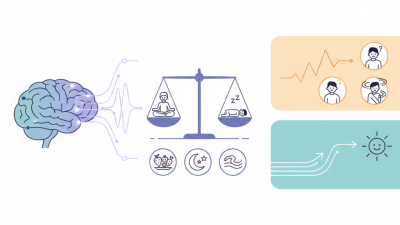
GABA, or gamma-aminobutyric acid, plays a crucial role in regulating sleep quality. It is a neurotransmitter that helps calm the brain. By inhibiting excessive neuronal firing, GABA offers a natural way to reduce anxiety. Improved sleep is vital for overall health. Many people struggle to achieve restful nights, leading to fatigue.
Circadian rhythms are influenced by GABA as well. These biological clocks regulate sleep-wake cycles. Proper GABA levels can help maintain a consistent rhythm. Disruptions in these cycles can lead to insomnia or irregular sleep patterns. Individuals often feel unrested, even after long hours in bed. The connection between GABA and circadian rhythms highlights the importance of managing stress and anxiety.
While GABA may support sleep, it is essential to approach supplementation cautiously. The body's responses can vary widely. Some people experience significant benefits, while others notice little change. It's vital to listen to your body. Adjustments in lifestyle, such as reducing screen time, may enhance GABA's effects. Exploring natural methods can lead to deeper reflections on personal health practices.
Potential Therapeutic Uses of GABA in Physical Health
GABA, or gamma-aminobutyric acid, plays a crucial role in physical health. It acts as a neurotransmitter in the brain, helping to regulate mood and reduce stress. Research suggests that GABA may aid in decreasing anxiety levels. This calmness can lead to improved overall wellness.
Many potential therapeutic uses of GABA exist. It might enhance muscle recovery post-exercise. Some studies indicate it could support sleep quality. Those struggling with insomnia may find GABA helpful. Additionally, it may potentially assist in lowering blood pressure—beneficial for heart health.
Tips for incorporating GABA into your routine: Consider natural sources like fermented foods. Try meditation to boost GABA production naturally. Always consult healthcare professionals before starting any supplement regimen. Adjusting lifestyle habits can significantly impact well-being. Remember, not everyone responds the same way to GABA. Reflect on personal experiences to determine what works best.
Impact of GABA on Health and Wellness
Sources and Supplements: How to Boost GABA Levels Naturally
Aminobutyric Acid, commonly known as GABA, plays a crucial role in maintaining mental health. Many studies highlight its calming effects on the nervous system. According to research published in the Journal of Nutrition, lower levels of GABA are linked to anxiety disorders. This indicates that boosting GABA levels can improve overall wellness.
Natural sources of GABA include fermented foods like kimchi and yogurt. These foods are rich in probiotics, which can enhance GABA production in the gut. Some green teas also contain compounds that may elevate GABA levels. Incorporating these into your diet can have positive effects.
Supplements are another way to boost GABA. A report from the Nutritional Neuroscience journal indicates that certain amino acids can enhance GABA synthesis. However, it's essential to consult a healthcare professional before starting any supplements. Monitoring GABA levels through diet may prove beneficial for mental clarity and stress reduction.
Why is Aminobutyric Acid Gaba Important for Health and Wellness? - Sources and Supplements
| Aspect |
Details |
| Definition |
Aminobutyric Acid, commonly known as GABA, is a neurotransmitter that promotes relaxation and reduces neuronal excitability. |
| Health Benefits |
May help reduce anxiety, improve sleep quality, and enhance mood. |
| Natural Sources |
Found in foods such as fermented dairy products, nuts, and green tea. |
| Supplements |
Available in various forms such as capsules, powders, and drinks. |
| Dosage |
Common dosages range from 250 mg to 750 mg per day, but it is advisable to consult a healthcare provider. |
| Possible Side Effects |
Generally considered safe, but may cause drowsiness, headache, or digestive issues in some people. |
| Tips to Boost GABA Levels |
Engage in regular exercise, practice mindfulness and meditation, and maintain a balanced diet rich in complex carbohydrates. |