Why is Aminobutyric Acid Gaba Important for Health and Wellness?
Aminobutyric Acid Gaba, known simply as GABA, plays a critical role in our health and wellness. Dr. Emily Carter, a prominent neuroscientist, states, "GABA is essential for balancing brain activity." This highlights its significance in maintaining mental clarity and emotional stability.
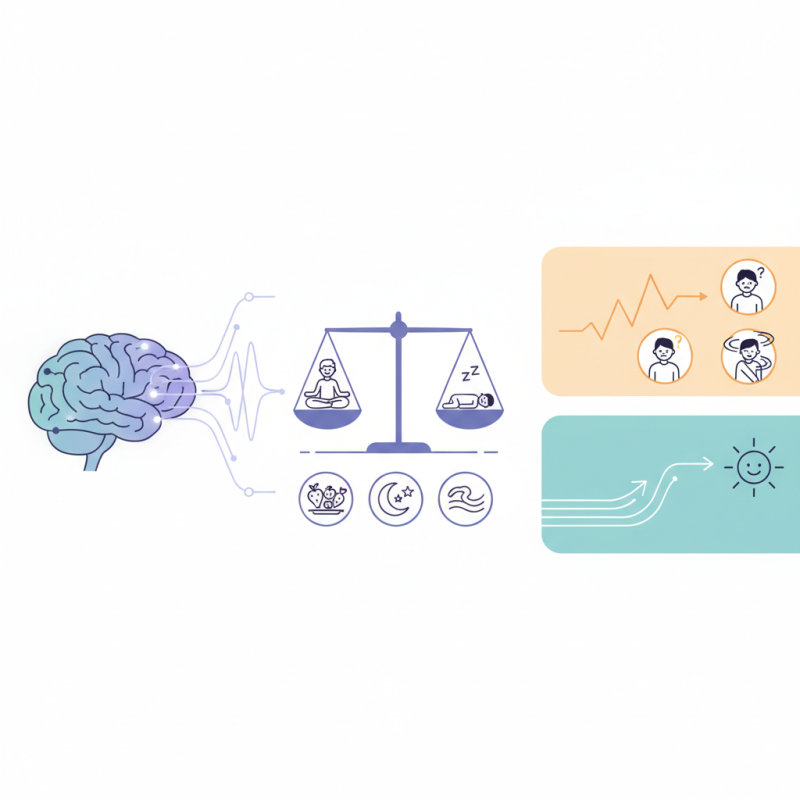
GABA is a neurotransmitter found in the brain. It helps regulate nerve activity. When GABA levels are balanced, anxiety and stress can decrease. For many, however, maintaining these levels can be challenging. Factors like poor diet, lack of sleep, and chronic stress can disrupt this balance.
Furthermore, some individuals may not realize the importance of Aminobutyric Acid Gaba until they experience related issues. For example, persistent fatigue or heightened anxiety might indicate a GABA deficiency. This underscores the need for a deeper understanding of how lifestyle choices affect our brain chemistry. Addressing these factors can lead to improved wellbeing.
What is Aminobutyric Acid (GABA) and Its Role in the Body?
Aminobutyric Acid, commonly known as GABA, plays a vital role in the human body’s overall functioning. GABA is a naturally occurring amino acid that acts as a neurotransmitter in the brain. This means it helps transmit signals within the nervous system. According to research from the National Institutes of Health, about 70% of the brain’s inhibitory neurotransmission relies on GABA. This makes it crucial for maintaining balance in brain activity.
The significance of GABA extends beyond its neurotransmission role. Studies indicate that lower levels of GABA are associated with anxiety and stress disorders. An article in the Journal of Neuropharmacology highlights that individuals with anxiety often show decreased GABA receptor function. This link is concerning because it suggests that enhancing GABA levels could potentially alleviate symptoms of anxiety. However, the relationship is not straightforward. Some people need to reflect on how lifestyle factors, such as diet and exercise, may influence GABA levels.
GABA also regulates muscle tone and promotes relaxation. It provides a calming effect, making it important for sleep quality. Inadequate GABA production can lead to insomnia and restlessness. Research in the field of sleep medicine indicates that improving GABA’s function can facilitate deeper sleep. Inadequate lifestyle choices often contribute to GABA depletion, resulting in a cycle of insomnia and fatigue that weighs heavily on health. Understanding this complex interplay can guide more effective wellness strategies.
The Biochemical Pathway of GABA Synthesis and Function
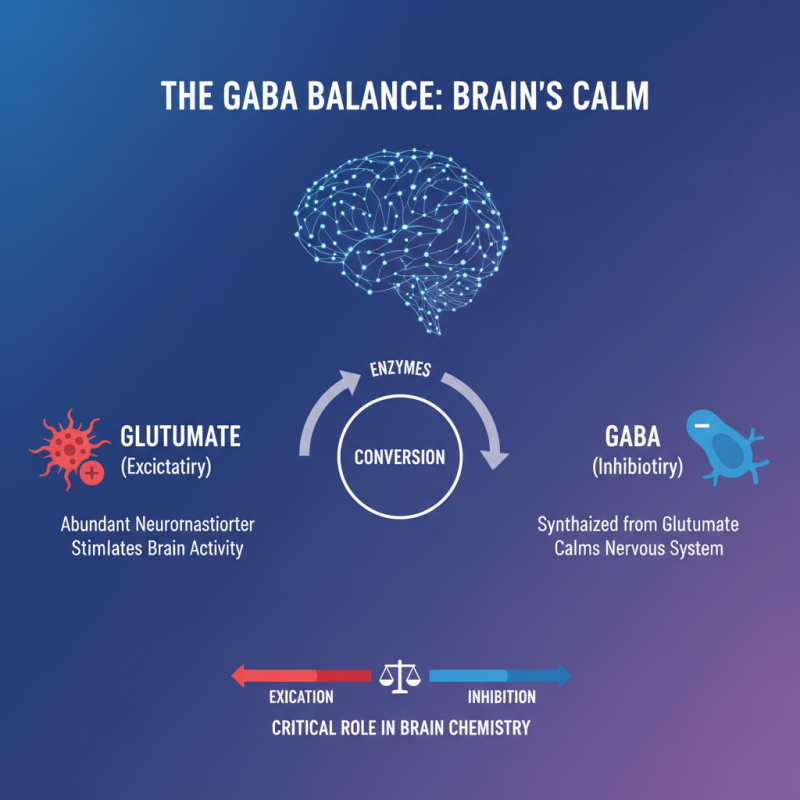
Aminobutyric acid, or GABA, plays a critical role in the brain. It is synthesized from glutamate, a common neurotransmitter. Enzymes facilitate this conversion, underscoring the intricate balance of brain chemistry. Glutamate is abundant; it's excitatory. GABA is calming, providing a necessary counterbalance.
GABA's function is multifaceted. It regulates nerve impulses, ensuring our minds remain stable. This neurotransmitter helps reduce anxiety. It enhances sleep quality and promotes relaxation. However, not everyone achieves sufficient levels of GABA. Stress, diet, or lifestyle choices may hinder its production.
Consider your daily activities. Are they helping or hurting your GABA levels? Heavy alcohol consumption and lack of exercise can negatively impact synthesis. Mindfulness practices, like meditation, may boost GABA production. The journey to better health often involves small, reflective changes. Each decision matters.
Health Benefits of GABA: Mental Health and Stress Reduction
Aminobutyric acid, or GABA, plays a significant role in mental health and stress reduction. Research indicates that GABA can help reduce anxiety levels by promoting relaxation. A study published in the Journal of Neuroscience found that adequate GABA levels are linked to decreased feelings of stress and anxiety. This neurotransmitter acts as a calming agent, interacting with receptors to help improve mood stability.
Tips for incorporating GABA-boosting activities into your daily routine include practicing mindfulness and deep breathing exercises. Engaging in yoga or meditation can enhance your GABA production, leading to improved mental clarity. Regular physical activity also supports GABA synthesis. Aim for at least 30 minutes of exercise several days a week to see benefits.
It’s crucial to recognize that, while GABA offers potential advantages, not everyone will experience the same effects. Some individuals may find it challenging to manage stress even with GABA. Individuals should assess their health regularly. If you notice persistent anxiety or distress, consulting a healthcare professional is essential.
Why is Aminobutyric Acid Gaba Important for Health and Wellness? - Health Benefits of GABA: Mental Health and Stress Reduction
| Health Benefit |
Description |
Recommended Sources |
| Anxiety Reduction |
GABA acts as a neurotransmitter that helps promote relaxation and reduce feelings of anxiety. |
Green tea, fermented foods, and supplements |
| Improved Sleep Quality |
GABA can improve sleep quality by promoting relaxation, resulting in deeper and more restful sleep. |
Bananas, almonds, and valerian root |
| Mood Enhancement |
GABA is known to help stabilize mood and enhance feelings of well-being. |
Beans, lentils, and dark chocolate |
| Stress Regulation |
GABA helps to counteract stress responses in the body, leading to better stress management. |
Spinach, broccoli, and supplements |
| Neurotransmitter Balance |
GABA plays a critical role in maintaining a balance of neurotransmitters in the brain. |
Fermented foods like kimchi, yogurt, and supplements |
GABA's Role in Sleep Regulation and Overall Wellness
GABA, or gamma-aminobutyric acid, plays a crucial role in sleep regulation. This neurotransmitter helps calm the nervous system. Adequate levels of GABA can lead to improved sleep quality. Many people struggle with sleep issues, often feeling restless or anxious. Decreased GABA levels can exacerbate these problems.
Tips: To naturally boost GABA, consider incorporating more fermented foods into your diet. These foods include yogurt and kimchi. A balanced diet contributes to optimal GABA production.
Engaging in relaxation techniques can also enhance GABA levels. Practices like yoga or meditation could improve sleep and overall wellness. However, many overlook the importance of a consistent sleep schedule.
Insufficient sleep can lead to fatigue and irritability. By prioritizing sleep, you can foster emotional balance. GABA's role is essential, but it’s important to find a personal routine that works for you. Be patient and give yourself grace as you navigate this journey.
Sources of GABA: Dietary and Supplement Options for Health Improvement
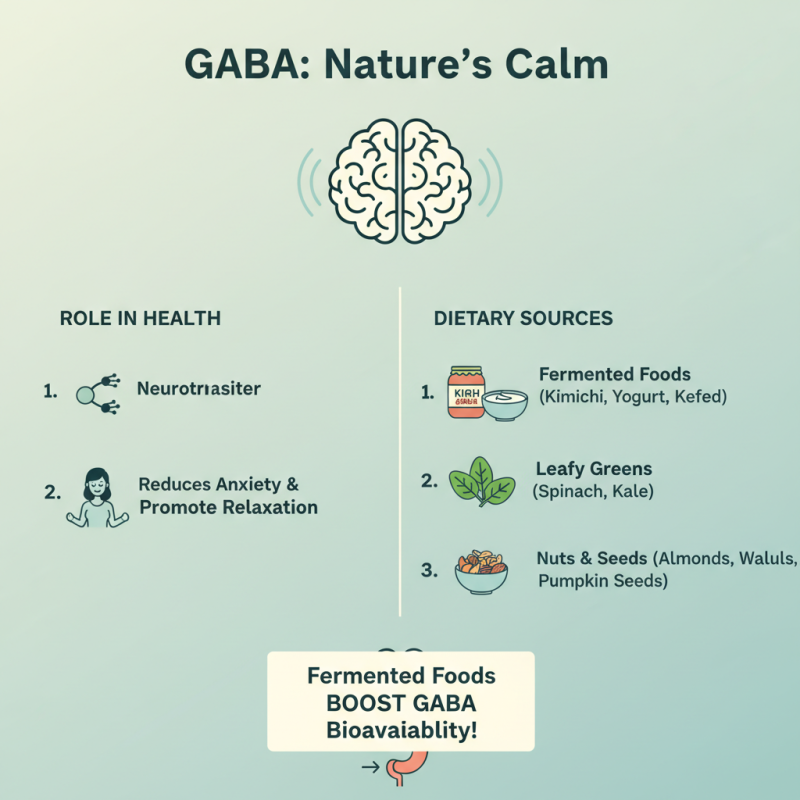
Aminobutyric acid, commonly known as GABA, plays a vital role in our health and wellness. It acts as a neurotransmitter in the brain, helping reduce anxiety and promote relaxation. Certain dietary sources can effectively boost GABA levels. Foods such as fermented products, leafy greens, and nuts are particularly rich in this important compound. Research shows that fermented foods can enhance the bioavailability of GABA, making it easier for the body to utilize.
Supplementation is another option for those looking to increase their GABA intake. Various studies, including a 2021 report from the Journal of Nutritional Biochemistry, indicate that GABA supplements may improve mood and sleep quality. However, some individuals might experience mild side effects like digestive upset. Taking GABA in tandem with other nutrients might provide better results. Personalized approaches could lead to optimal health outcomes.
It's essential to reflect on individual responses to GABA sources. While some may thrive on dietary GABA, others could find limited benefits. Different factors, such as genetics and lifestyle, may influence the effectiveness of these sources. Awareness of one's unique body chemistry is key to making informed health choices.