Top 10 Health Benefits of Pyrroloquinoline Quinone Disodium Salt You Didn't Know
Pyrroloquinoline Quinone Disodium Salt (PQQ) has gained significant attention in the health and wellness industry due to its remarkable bioactive properties. Recent studies indicate that PQQ plays a crucial role in mitochondrial function, which is vital for cellular energy production. According to a report by the Global Nutraceuticals Market, the growing awareness of mitochondrial health has propelled the market for supplements containing PQQ, with an expected compound annual growth rate (CAGR) of over 7% through 2026. This surge is not merely a trend; it reflects a deeper understanding of how nutrients like Pyrroloquinoline Quinone Disodium Salt can influence overall health.
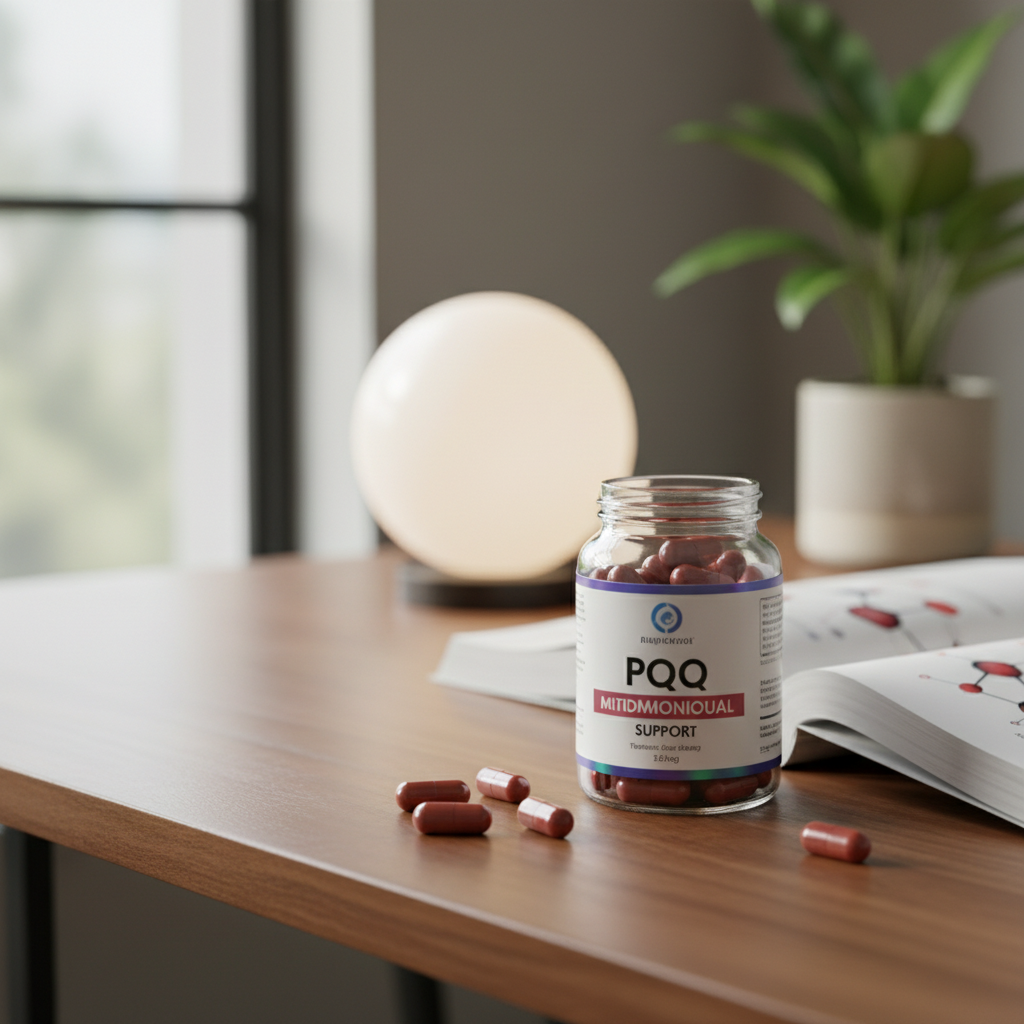
Furthermore, research highlights PQQ's potential neuroprotective effects, suggesting it may enhance cognitive function and reduce the risk of neurodegenerative diseases. A comprehensive analysis published in the Journal of Clinical Nutrition emphasized that PQQ could stimulate the production of new mitochondria, thus improving metabolic health and energy levels. As the scientific community continues to explore the multifaceted benefits of this compound, it becomes increasingly clear that Pyrroloquinoline Quinone Disodium Salt is a key player in promoting longevity and enhancing quality of life. With its documented health advantages, understanding the top benefits of PQQ is essential for anyone looking to optimize their well-being.
Health Overview of Pyrroloquinoline Quinone Disodium Salt
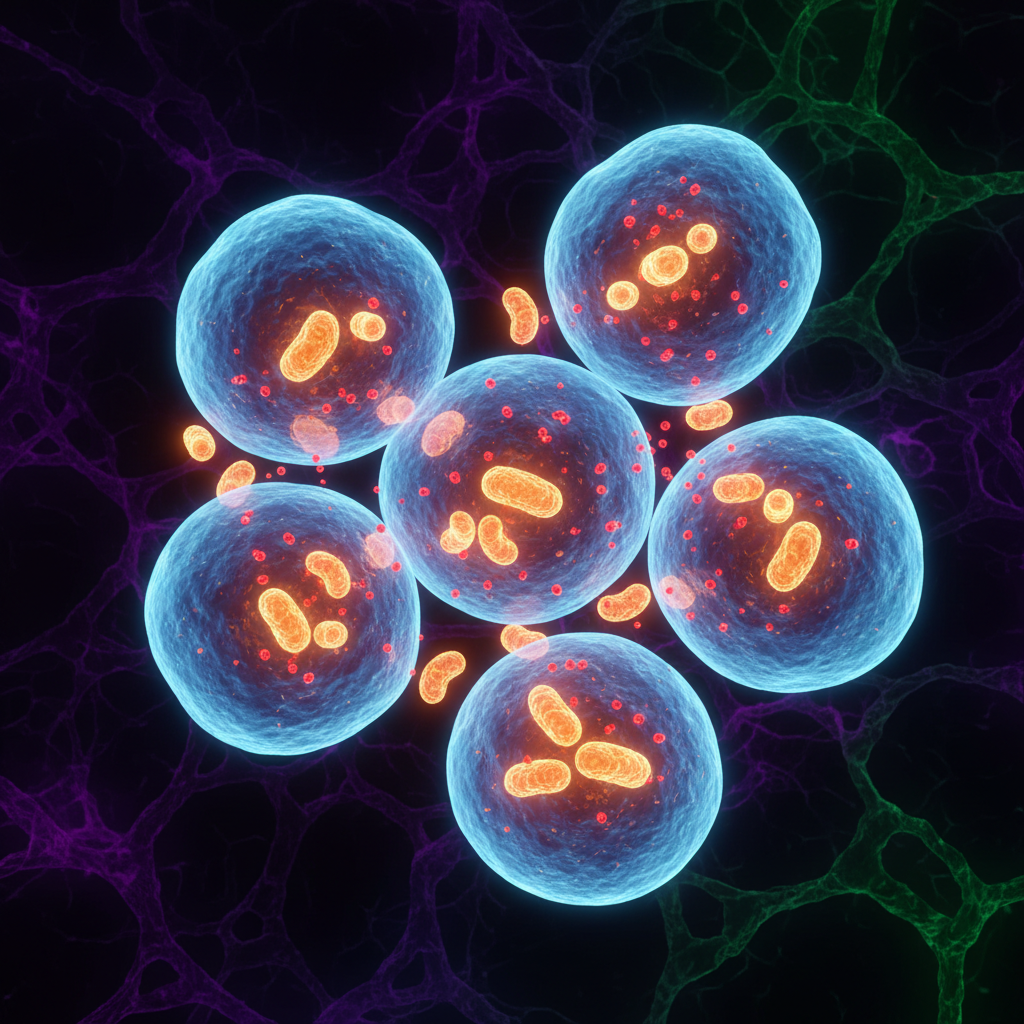
Pyrroloquinoline Quinone Disodium Salt (PQQ) is a novel compound that has garnered attention for its potential health benefits. This antioxidant is found in various foods and is essential for maintaining cellular health. PQQ's unique ability to stimulate the growth of new mitochondria—the powerhouses of our cells—play a crucial role in enhancing energy production and overall metabolic efficiency.
Moreover, PQQ has been linked to neuroprotective effects, which are vital for brain health. Studies indicate that it may help improve cognitive functions and protect against neurodegenerative diseases by reducing oxidative stress and inflammation in the brain. With its potential to support cardiovascular health through improved lipid profiles and blood pressure regulation, PQQ stands out as a promising supplement for promoting not just energy levels, but also a robust heart and mind.
Top 10 Health Benefits of Pyrroloquinoline Quinone Disodium Salt
Mechanisms of Action: How PQQ Influences Cellular Health
Pyrroloquinoline quinone disodium salt (PQQ) is gaining attention for its profound impact on cellular health, primarily through its role as a potent antioxidant and a facilitator of mitochondrial function. The mechanisms of action involve the enhancement of mitochondrial biogenesis, which is crucial for energy production within cells. By activating Peroxisome proliferator-activated receptor-gamma coactivator 1-alpha (PGC-1α), PQQ stimulates the growth of new mitochondria, thereby improving cellular energy metabolism and reducing oxidative stress.
Moreover, PQQ influences cellular health by modulating signaling pathways that promote neuroprotection and cognitive function. It engages sirtuins, a group of proteins associated with longevity and cellular repair. Through these pathways, PQQ can enhance synaptic plasticity, which is vital for learning and memory. Additionally, its ability to influence gene expression related to antioxidant defense further underscores its protective effects on various cell types, contributing to overall cellular resilience against environmental stressors.
PQQ’s Role in Enhancing Energy Metabolism and Mitochondrial Function
Pyrroloquinoline quinone disodium salt (PQQ) has gained significant attention in recent years due to its promising role in enhancing energy metabolism and supporting mitochondrial function. Research indicates that PQQ can stimulate the growth of new mitochondria in cells, a process known as mitochondrial biogenesis. A study published in the Journal of Nutritional Biochemistry found that PQQ supplementation led to a 25% increase in mitochondrial activity in human cells, highlighting its potential to improve energy levels and cognitive function.
Furthermore, PQQ is known to protect mitochondria from oxidative stress, which is crucial for maintaining cellular health and function. According to a report from the National Institutes of Health, oxidative stress is linked to various metabolic disorders and neurodegenerative diseases. By mitigating oxidative damage to mitochondria, PQQ not only supports enhanced energy production but also promotes overall mitochondrial health.
This multifaceted role of PQQ makes it a compelling nutrient for those looking to boost their energy metabolism and maintain optimal mitochondrial function, which is essential for overall vitality and longevity.
Impact of Pyrroloquinoline Quinone on Cognitive Performance and Memory
Pyrroloquinoline quinone disodium salt (PQQ) has garnered attention for its potential to enhance cognitive performance and memory. Recent studies suggest that PQQ may promote the growth of new neurons, a process known as neurogenesis, which is crucial for maintaining cognitive functions. A report published in the Journal of Nutritional Biochemistry found that subjects supplementing with PQQ demonstrated significant improvements in memory recall and information retention, attributed to its role in mitochondrial function and energy metabolism in brain cells.
For those looking to boost their cognitive health, incorporating PQQ into your daily regimen could be beneficial. Research indicates that a daily intake of 20-40 mg of PQQ can lead to noticeable improvements in cognitive abilities. This natural supplement has also been linked to reduced oxidative stress, which is vital for protecting brain health as we age.
**Tip:** To maximize the cognitive benefits of PQQ, consider combining it with other brain-boosting nutrients like omega-3 fatty acids and antioxidants, which work synergistically to enhance overall cognitive function. Additionally, maintaining a balanced diet rich in fruits, vegetables, and whole grains can support your brain health alongside supplementation.
Antioxidant Properties of PQQ: Protection Against Oxidative Stress
Pyrroloquinoline Quinone Disodium Salt (PQQ) has garnered attention for its potent antioxidant properties, which play a crucial role in protecting cells from oxidative stress.
Oxidative stress, an imbalance between free radicals and antioxidants in the body, is a contributing factor to various chronic diseases, including cardiovascular diseases, neurodegenerative disorders, and diabetes. According to a study published in the Journal of Clinical Biochemistry and Nutrition, PQQ demonstrated the ability to significantly reduce oxidative markers and improve mitochondrial function, making it a valuable agent in combating cellular damage.
Research indicates that PQQ can enhance the body's antioxidant defense mechanisms by not only scavenging free radicals but also stimulating the production of endogenous antioxidants like glutathione and superoxide dismutase. A report by the global nutrition research firm, Nutrition Business Journal, highlighted that supplementation with PQQ can result in a more resilient cellular environment, potentially lowering the risk of age-related decline in organ function. As interest in PQQ grows, its role as a powerful antioxidant illustrates a promising avenue for health optimization and disease prevention, reinforcing the significance of further studies to unlock its full potential.