Top Green Tea Extract Insights from the 139th Canton Fair?
The 139th Canton Fair highlighted crucial insights into the booming market of Green Tea Extract. This sector has seen significant growth, projected to reach USD 3.5 billion by 2027. As awareness of health benefits rises, consumers are increasingly turning to natural supplements.
During the Fair, innovative solutions and new suppliers emerged in the Green Tea Extract domain. AI technologies enhanced the experience for buyers, enabling efficient navigation through a massive exhibition area. This advanced search capability is crucial for connecting with certified suppliers.
However, challenges remain. Quality control in sourcing Green Tea Extract is one such issue that requires closer examination. Not all products meet high standards, leading to market confusion. Stakeholders must prioritize transparency and certification to uphold trust within this thriving industry.
Key Highlights of Green Tea Extract at the 139th Canton Fair
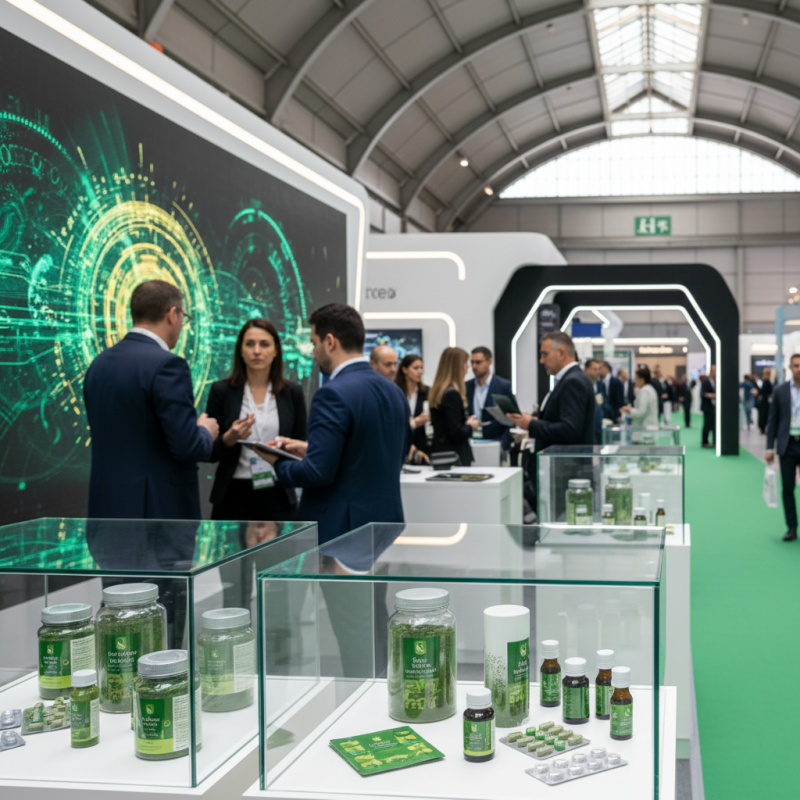
The 139th Canton Fair showcased an impressive range of green tea extracts. Attendees discovered various products that highlight the growing popularity of green tea for health benefits. According to recent market research, the global green tea extract market is projected to reach 1.5 billion USD by 2026. This trend reflects a rising consumer preference for natural and organic products.
During the fair, manufacturers presented extracts with high levels of catechins. These compounds are known for their antioxidant properties. Some samples had catechin concentrations exceeding 90%. It's a significant leap, considering that typical extracts range between 30-80%. However, the industry faces challenges. Not all extracts meet these high standards consistently. Quality control measures remain a concern for producers and consumers alike.
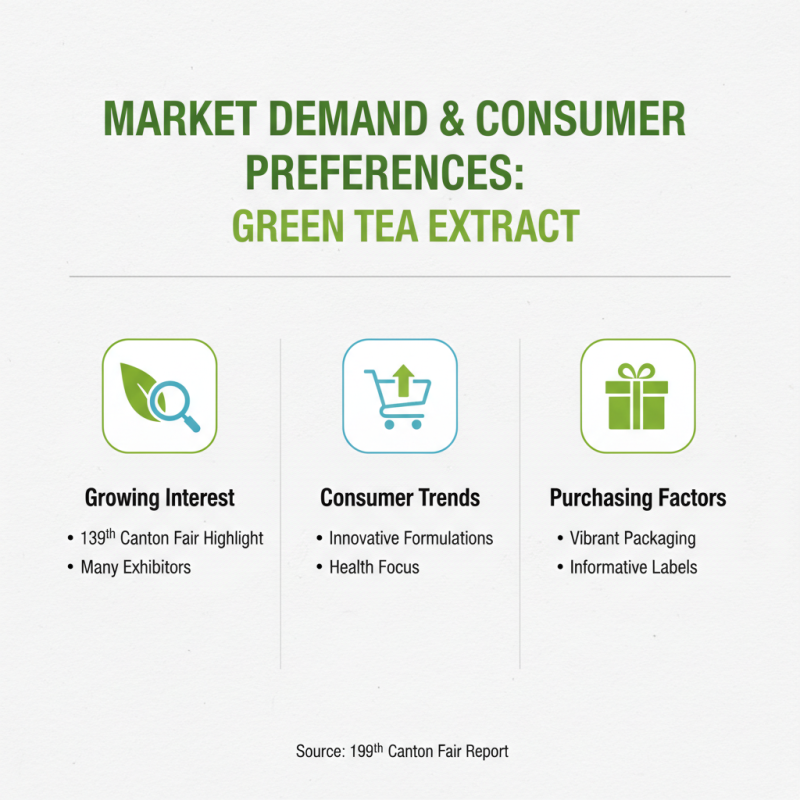
Sustainability was another key highlight at the fair. Many exhibitors focused on eco-friendly packaging and sourcing practices. Reports show that 70% of consumers prefer sustainably produced goods. Yet, some exhibitors struggled to provide transparent sourcing information. This gap could pose risks to brand reputation. The focus on green tea extract is promising, but the industry must address these ongoing issues.
Top Green Tea Extract Insights from the 139th Canton Fair
| Product Type |
Extraction Method |
Active Ingredients |
Purity Level |
Application Areas |
| Green Tea Powder |
Cold Water Extraction |
EGCG, L-theanine |
90% |
Food, Beverage |
| Green Tea Extract Capsules |
Hot Water Extraction |
Catechins, Polyphenols |
85% |
Health Supplements |
| Liquid Green Tea Extract |
Solvent Extraction |
EGCG, Caffeine |
80% |
Cosmetics, Beverages |
| Green Tea Leaf Powder |
Mechanical Grinding |
Flavonoids, Tannins |
95% |
Food, Health |
Innovations and Trends in Green Tea Extract Products
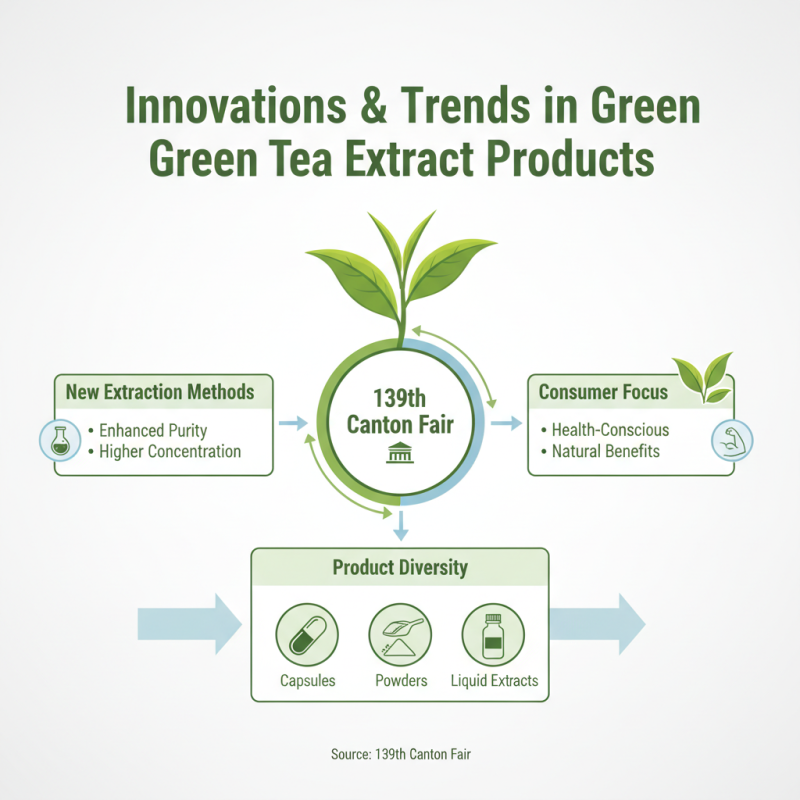
The 139th Canton Fair showcased diverse innovations in green tea extract products. Manufacturers presented new extraction methods, enhancing purity and concentration. These advancements attract health-conscious consumers who seek natural benefits. Products ranged from capsules to powders, catering to various preferences.
New trends emerged, focusing on sustainability. Some companies emphasized eco-friendly sourcing of tea leaves. Packaging options also reflected this shift, using biodegradable materials. As consumers grow more aware of environmental impacts, such choices gain importance.
Tips: Look for products with clear labeling on extraction methods. Verify whether the sourcing is sustainable. Always consult with health professionals before trying new supplements.
Major Exhibitors and Their Offerings in Green Tea Extract
The 139th Canton Fair showcased a diverse array of green tea extract suppliers. Major exhibitors highlighted the growing demand for this natural product, which is projected to reach $3.6 billion by 2027. They presented a variety of formulations, emphasizing antioxidant properties and health benefits. Among the exhibitors, the shift toward organic sourcing was evident, as consumer preferences lean towards eco-friendly options.
One notable trend was the increase in lightweight packaging for green tea extracts. Companies are seeking to improve their sustainability efforts while maintaining product integrity. Some exhibitors introduced new extraction methods that promise increased potency and flavor retention. However, concerns regarding quality control were raised. Not all presentations met the stringent standards expected at such hubs of international trade.
Additionally, discussions around research in therapeutic applications of green tea extract revealed gaps in understanding. While studies have linked green tea to health benefits, more comprehensive clinical trials are necessary. This leaves room for exploration and improvement. While the exhibitors showed impressive innovations, the industry must address these challenges to ensure continued growth and consumer trust.
Top Green Tea Extract Insights from the 139th Canton Fair
Health Benefits and Applications of Green Tea Extract in Various Industries
Green tea extract has gained popularity for its numerous health benefits. Many industries are exploring its potential applications. In health and wellness, green tea extract is known for its antioxidant properties. It helps combat oxidative stress, which may contribute to various diseases. Research suggests it can support weight management. However, results can vary among individuals.
In the food industry, green tea extract serves as a natural flavoring and preservative. It enhances the taste of products like beverages and snacks. Its antimicrobial properties may help extend shelf life. Still, formulating with it can be challenging. Developers must balance taste and health benefits without compromising quality.
Beauty and skincare brands also leverage green tea extract. Its anti-inflammatory properties can soothe irritated skin. Many products incorporate it for its rejuvenating effects. However, not all formulations work well together. Some consumers might experience sensitivity. A deeper understanding of ingredient interactions is essential for success.