What is Ginkgo Biloba Extract Benefits Uses and More Explained
Ginkgo Biloba Extract has gained popularity as a natural supplement known for its myriad of health benefits. Derived from the leaves of the Ginkgo Biloba tree, one of the oldest living tree species, this extract is rich in flavonoids and terpenoids, which are believed to contribute to its therapeutic properties. Often hailed for its potential to enhance cognitive function and support mental clarity, Ginkgo Biloba Extract is commonly used as a natural remedy for memory enhancement and concentration improvement.
In addition to its cognitive benefits, Ginkgo Biloba Extract is also noted for its possible effects on circulation and cardiovascular health. By improving blood flow, it may aid in alleviating symptoms associated with conditions such as peripheral vascular disease. Furthermore, its antioxidant properties play a vital role in protecting against oxidative stress, which is linked to various chronic diseases. As we delve deeper into the advantages and uses of Ginkgo Biloba Extract, we will explore its historical background, researched benefits, and potential side effects, providing a comprehensive overview of this remarkable herbal supplement.
Understanding Ginkgo Biloba: A Comprehensive Overview

Ginkgo Biloba, one of the oldest living tree species, has been used for centuries in traditional medicine and is now widely recognized for its potential health benefits. According to a comprehensive review published in the Journal of Ethnopharmacology, Ginkgo Biloba extract is primarily valued for its cognitive-enhancing properties, particularly in improving memory and concentration among older adults. The standardized extract, typically containing 24% flavone glycosides and 6% terpenoids, has been shown in various clinical studies to support cognitive function in individuals with dementia and other cognitive disorders.
In addition to its cognitive benefits, recent studies have also highlighted Ginkgo's role in enhancing circulation and alleviating issues related to peripheral vascular disease. A meta-analysis in the International Journal of Molecular Sciences reported that Ginkgo Biloba extract significantly improved blood flow and reduced symptoms of claudication, a condition that causes severe pain in the legs during physical activity. Furthermore, Ginkgo’s antioxidant properties, attributed to the presence of flavonoids and terpenoids, have been linked to a reduction in oxidative stress, which plays a crucial role in age-related diseases. With its broad range of applications, Ginkgo Biloba continues to be a focus of scientific research and is increasingly incorporated into dietary supplements aimed at promoting overall health and longevity.
Key Health Benefits of Ginkgo Biloba Extract Explored
Ginkgo Biloba extract has garnered attention for its potential health benefits, particularly in cognitive support and blood circulation. A study published in the "Journal of Psychopharmacology" noted that Ginkgo Biloba could enhance memory and cognitive speed in healthy individuals, suggesting its role in improving mental performance. Additionally, research from the “American Journal of Clinical Nutrition” highlights that Ginkgo can increase blood flow, thereby supporting cardiovascular health and potentially reducing the risk of heart disease.
Moreover, Ginkgo Biloba is known for its antioxidant properties, which help combat oxidative stress and inflammation. According to a report from the “National Institute of Health,” these antioxidants are crucial for protecting cellular health and may play a role in preventing neurodegenerative diseases such as Alzheimer's. With an estimated 12% of the elderly population using Ginkgo for its cognitive benefits, it remains a preferred choice for those seeking natural supplements for brain health.
Key Health Benefits of Ginkgo Biloba Extract
This chart illustrates the key health benefits of Ginkgo Biloba Extract based on various studies and research findings. Each benefit is represented by a percentage indicating its prevalence or effectiveness as reported in the literature.
Popular Uses of Ginkgo Biloba in Traditional and Modern Medicine
Ginkgo biloba, one of the oldest living tree species, has garnered immense attention in both traditional and modern medicine for its numerous benefits. Traditionally, Ginkgo leaves have been used in Eastern medicine to enhance memory and improve cognitive function. The herb is believed to increase blood flow to the brain, which may support mental clarity and reduce age-related cognitive decline. This has made it a popular supplement among the elderly looking to maintain their mental faculties.
In modern medicine, Ginkgo biloba extract is often marketed as a remedy for a variety of health concerns. It is commonly used to alleviate symptoms of anxiety and depression, enhance mood, and even support eye health by improving circulation in the retina. Additionally, some studies suggest that Ginkgo may be beneficial for those suffering from tinnitus, helping to reduce the perception of ringing in the ears. As research continues to explore its numerous applications, Ginkgo biloba remains a staple in both herbal remedies and dietary supplements, appreciated for its potential to promote overall well-being.
What is Ginkgo Biloba Extract Benefits Uses and More Explained
| Benefit |
Description |
Uses in Traditional Medicine |
Uses in Modern Medicine |
| Cognitive Enhancement |
May improve memory and cognitive function. |
Used to treat dementia and cognitive decline. |
Commonly prescribed for Alzheimer's patients. |
| Anxiety Relief |
May help reduce symptoms of anxiety. |
Traditionally used to calm nerves. |
Incorporated in some supplements aimed at stress relief. |
| Vision Support |
May promote eye health and improve visual function. |
Used to treat age-related vision issues. |
Studied for its effects on macular degeneration. |
| Circulatory Health |
May improve blood circulation. |
Used to enhance blood flow in traditional treatments. |
Utilized in treatments for peripheral vascular disease. |
| Antioxidant Properties |
Rich in flavonoids and terpenoids, may combat oxidative stress. |
Traditional use in promoting overall wellness. |
Included in formulations aimed at reducing oxidative damage. |
How to Incorporate Ginkgo Biloba Extract into Your Daily Routine
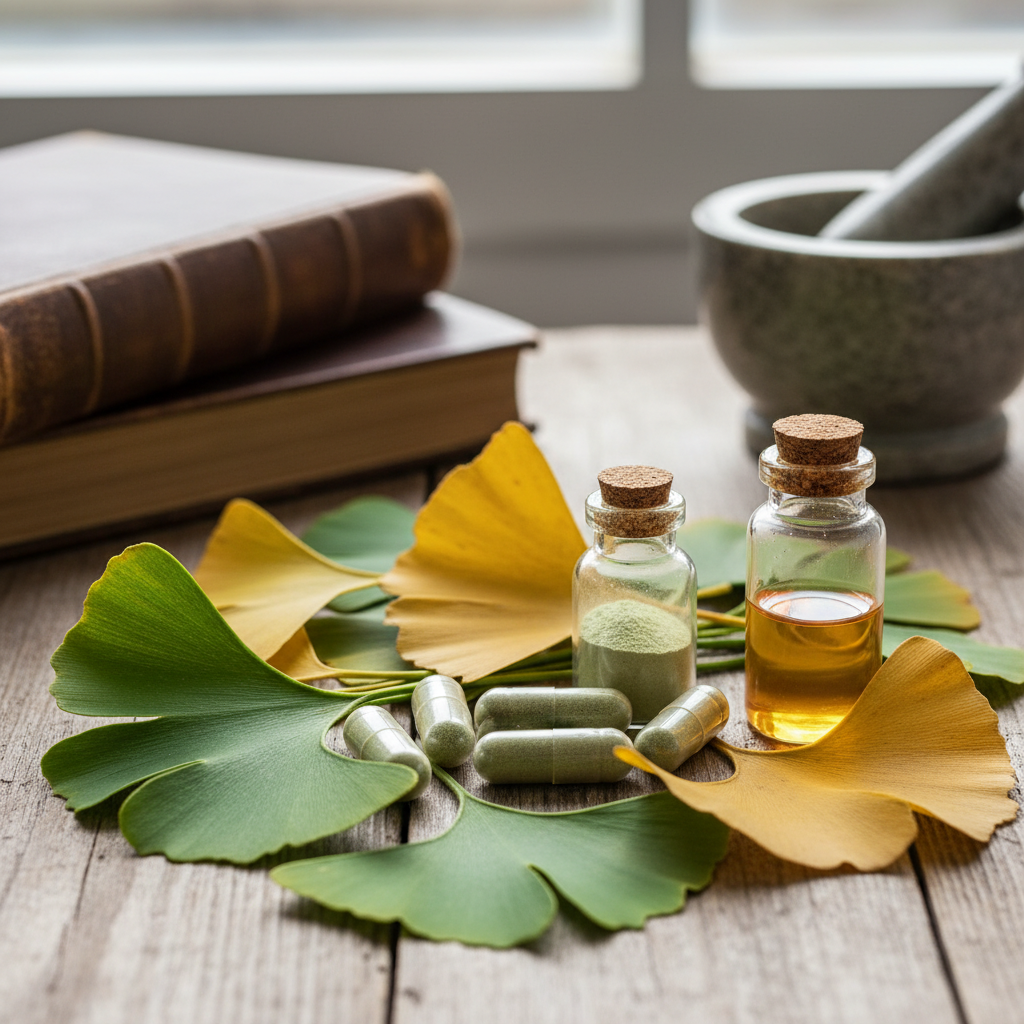
Incorporating Ginkgo Biloba extract into your daily routine can be both simple and effective. One of the most common methods is through dietary supplements. You can find Ginkgo Biloba capsules or tablets at most health food stores. It's recommended to start with a low dose and gradually increase it according to your body's response, ensuring you consult with a healthcare provider beforehand.
Another way to enjoy the benefits of Ginkgo Biloba is by adding its extract to your beverages. You can mix liquid Ginkgo extract into your morning tea or smoothie for a refreshing start to the day. For those who prefer a more immediate form, Ginkgo tea is available and might provide a pleasant and calming way to reap its benefits.
Including Ginkgo Biloba in your daily wellness regimen can enhance cognitive function and support overall mental clarity.
Potential Side Effects and Precautions When Taking Ginkgo Biloba
Ginkgo Biloba extract is widely known for its numerous health benefits, particularly for enhancing cognitive functions and improving blood circulation. However, like any supplement, it is important to be aware of potential side effects and precautions when considering its use.
Some common side effects include headaches, gastrointestinal issues, and allergic skin reactions. Moreover, Ginkgo may interact with certain medications, such as blood thinners, leading to an increased risk of bleeding or bruising.
When taking Ginkgo Biloba, it is crucial to follow some tips to ensure safe usage. Firstly, consult with a healthcare provider before starting any new supplement, especially if you are on medication or have pre-existing health conditions. Secondly, choose a reputable brand that provides standardized extracts, ensuring consistent quality and dosage. Lastly, start with a low dose and gradually increase it, monitoring your body's response to avoid potential adverse effects.
Individuals should also be cautious if they have a history of bleeding disorders or are planning to undergo surgery, as Ginkgo can affect blood clotting. Pregnant or breastfeeding women should avoid Ginkgo altogether due to limited research on its safety in these cases. Always prioritize safety when considering herbal supplements like Ginkgo Biloba.