What is Ginkgo Biloba Extract and Its Benefits for Health?
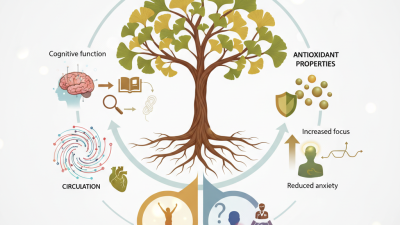
Ginkgo Biloba Extract has gained attention for its potential health benefits. This herbal supplement is derived from the leaves of the Ginkgo Biloba tree, one of the oldest living tree species. Many believe it can enhance cognitive function and improve circulation.
Research suggests that Ginkgo Biloba Extract might help reduce symptoms of anxiety and enhance memory. However, not all studies agree on its effectiveness. Some users report noticeable improvements in focus and mental clarity, while others find minimal changes.
It’s important to consult a healthcare professional before starting any new supplement. Individual responses to Ginkgo Biloba Extract can vary widely. This extract could interact with other medications, leading to unintended effects. Keeping this in mind is crucial for safe consumption. Overall, while Ginkgo Biloba offers potential benefits, careful consideration is essential.
What is Ginkgo Biloba Extract?
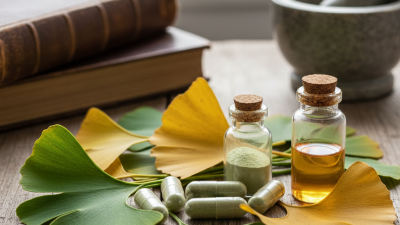
Ginkgo Biloba Extract comes from the leaves of the Ginkgo tree. This ancient plant has been used for centuries in traditional medicine. Known for its unique fan-shaped leaves, Ginkgo is one of the oldest living tree species. Its extract is rich in flavonoids and terpenoids, compounds believed to enhance health.
The extract is often associated with cognitive benefits. Research suggests it may improve memory and concentration. Many people take it to support brain health. Some studies indicate Ginkgo extracts could boost blood circulation. Better circulation may lead to improved overall well-being. However, results can vary among individuals.
While Ginkgo Biloba is generally safe, it’s not for everyone. Some may experience side effects like headaches or digestive issues. It’s essential to consult a healthcare professional before starting any supplement. Ginkgo should be considered a part of a larger wellness plan, not a cure-all. Its effectiveness can depend on the individual’s health conditions and lifestyle choices.
Historical Use of Ginkgo Biloba in Traditional Medicine
Ginkgo biloba has a long history in traditional medicine, especially in Asia. Ancient Chinese healers used ginkgo leaves for various ailments. They believed in its ability to enhance memory and overall brain health. This belief has persisted through the ages, leading to its popularity.
The extract is often associated with cognitive function. Some studies suggest ginkgo may improve memory in older adults. However, results can vary, and not everyone experiences the same benefits. It’s important to approach ginkgo with realistic expectations.
Tips: When considering ginkgo biloba, consult with a healthcare professional. They can offer tailored advice based on your health needs. Start with a low dose to see how it affects you. Keep track of any changes, both positive and negative. This reflection is key to understanding its impact on your health.
Using ginkgo is not without risks. Some people may experience unwanted side effects. It could also interact with other medications. This is why monitoring and professional guidance is crucial. Engaging in discussions about its use can deepen understanding.
Health Benefits of Ginkgo Biloba Extract
Key Components and Nutrients Found in Ginkgo Biloba Extract
Ginkgo Biloba extract is derived from the leaves of the Ginkgo tree, one of the oldest living tree species. It contains several key components that contribute to its health benefits. Flavonoids and terpenoids are the primary active compounds found in this extract. Flavonoids have strong antioxidant properties, helping to combat oxidative stress in the body. Terpenoids improve blood circulation, enhancing overall health.
In addition to its antioxidant properties, Ginkgo Biloba extract may support cognitive function. Some studies suggest it can improve memory and concentration. This effect is often attributed to its ability to increase blood flow to the brain. However, results can vary among individuals. Not everyone may experience significant cognitive improvements.
People often seek Ginkgo Biloba for its potential health benefits. However, it’s crucial to consult with a healthcare provider before beginning any supplement regimen. Some side effects can occur, such as headaches or gastrointestinal discomfort. This highlights the importance of personalized health approaches. Research is ongoing, and while some findings are promising, further studies are needed to fully understand its effects.
Health Benefits Supported by Scientific Research
Ginkgo biloba extract has garnered attention for its numerous health benefits. Research supports its use in enhancing cognitive function. A study published in "Psychopharmacology" indicated that Ginkgo can improve memory and attention in older adults. Approximately 61% of participants noted cognitive enhancements after regular consumption. This aligns with findings from the “Journal of Alzheimer’s Disease,” which suggested Ginkgo might slow cognitive decline.
Beyond cognitive benefits, Ginkgo biloba is noted for its antioxidant properties. According to a report by the “Journal of Ethnopharmacology,” it helps combat oxidative stress. High levels of oxidative stress can lead to various diseases, including cancer. Ginkgo’s flavonoids and terpenoids contribute to protecting cells from damage.
However, it’s crucial to consider potential side effects. Some individuals experience headaches or gastrointestinal issues. The lack of universal consensus on optimal dosage adds to the complexity. Consulting a healthcare professional is advisable for tailored advice. Ginkgo biloba offers promise, but personal research and professional guidance are essential for safe use.
Potential Side Effects and Precautions for Ginkgo Biloba Use
Ginkgo Biloba is widely recognized for its potential health benefits. However, it is crucial to understand its side effects and precautions. According to a report from the National Center for Complementary and Integrative Health (NCCIH), adverse reactions can occur in some individuals. Commonly reported effects include
headaches, dizziness, and gastrointestinal issues. In some cases, Ginkgo can also increase the risk of bleeding, particularly for individuals taking blood thinners.
Individuals considering Ginkgo should consult healthcare professionals, especially if they have underlying health conditions. The European Commission's Scientific Committee on Consumer Safety advises monitoring for possible allergic reactions. Caution is especially prudent for those with a history of seizures. As with any supplement, the body’s response can vary. Dosage guidelines are not universally established, making it essential to approach use with care.
Moreover, the lack of regulation on herbal supplements raises concerns about product quality. Contamination with toxins may occur in poorly managed production facilities. Adverse interactions with prescription medications, especially anticoagulants or antidepressants, have been reported. Therefore, it's vital to evaluate the risks and conduct thorough research before use. Engaging in such a reflective practice is necessary for responsible health management.