What is Fisetin and How Does It Benefit Your Health and Wellbeing
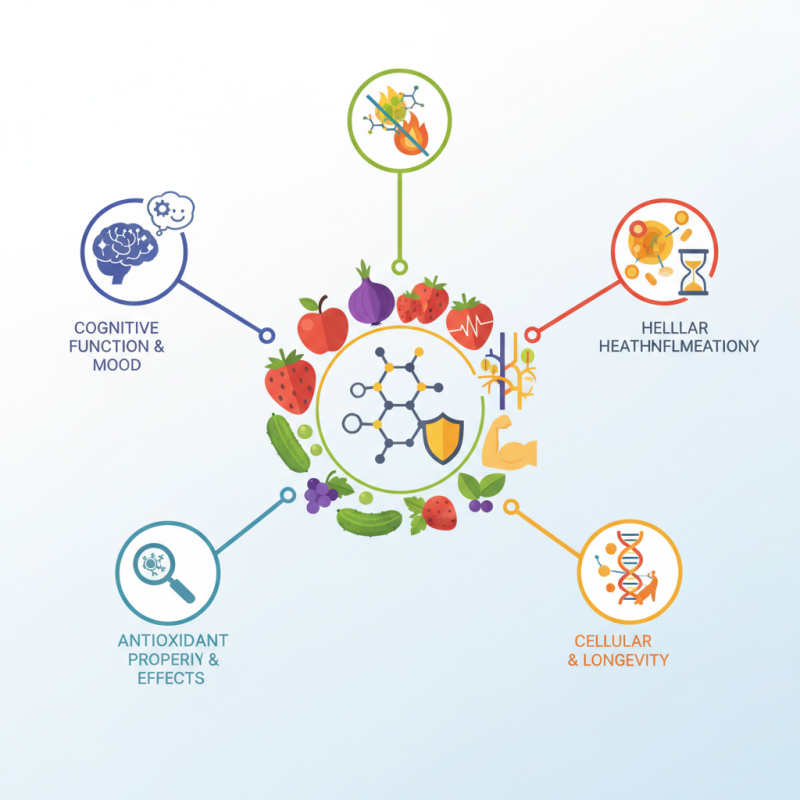
Fisetin is a naturally occurring flavonoid that has garnered attention for its potential health benefits and contributions to overall well-being. Found in various fruits and vegetables, particularly strawberries, apples, and onions, Fisetin is known not only for its vibrant color but also for its remarkable antioxidant properties. This compound plays a crucial role in combating oxidative stress, which is linked to a range of chronic diseases and aging processes. As researchers delve deeper into its benefits, Fisetin has emerged as a promising candidate for enhancing cognitive function, improving mood, and supporting heart health.
Recent studies have begun to uncover the myriad ways in which Fisetin may positively influence human health. From its anti-inflammatory effects to its potential in neuroprotection, the findings suggest that Fisetin could serve as a valuable addition to a healthy lifestyle. Furthermore, this flavonoid may help modulate cellular processes, potentially offering insights into longevity and disease prevention. As interest in natural compounds grows, understanding the full scope of Fisetin's benefits is essential for those looking to optimize their health and well-being. In this article, we will explore what Fisetin is, how it functions within the body, and its various health advantages, ultimately underscoring its significance in the realm of nutrition and wellness.
What is Fisetin? An Overview of the Flavonoid
Fisetin is a naturally occurring flavonoid found in various fruits and vegetables, notably strawberries, apples, grapes, and onions. This plant compound has garnered attention for its potential health benefits, particularly in the realm of anti-aging and neuroprotection. Research indicates that Fisetin possesses strong antioxidant properties, helping to combat oxidative stress in the body, which is linked to age-related degenerative diseases. A notable study published in the journal “Molecules” highlights that Fisetin can modulate cell signaling pathways involved in inflammation and apoptosis, suggesting its role in promoting cellular health and longevity.
In addition to its antioxidant capabilities, Fisetin has shown promise in supporting cognitive function. A study conducted by researchers at the University of Kentucky reveals that Fisetin administration in animal models improved memory and learning abilities, pointing to its neuroprotective effects. Furthermore, recent reports from the Journal of Nutritional Biochemistry illustrate Fisetin's potential in promoting healthy aging by enhancing the body's stress response mechanisms, specifically through the activation of SIRT1, a protein associated with longevity.
Tips: To naturally boost your Fisetin intake, consider incorporating more fruits such as strawberries and apples into your diet. Supplementing your meals with flavonoid-rich vegetables like onions could further enhance your health benefits. Additionally, maintaining a balanced diet combined with regular exercise can amplify the positive effects of Fisetin on your overall wellbeing.
What is Fisetin and How Does It Benefit Your Health and Wellbeing
| Dimension |
Details |
| What is Fisetin? |
Fisetin is a flavonoid found in various fruits and vegetables, known for its antioxidant properties. |
| Sources |
Strawberries, apples, persimmons, onions, and cucumbers are rich in Fisetin. |
| Health Benefits |
Potential benefits include improved cognitive function, reduced inflammation, and enhanced longevity. |
| Antioxidant Properties |
Fisetin helps combat oxidative stress and neutralizes free radicals in the body. |
| Potential Anti-Cancer Effects |
Studies suggest Fisetin may inhibit cancer cell growth and induce apoptosis in certain cancer types. |
| Dosage |
Typical dietary intake is estimated to be between 1-5 mg per day, but supplements can provide higher doses. |
| Safety and Side Effects |
Fisetin is generally regarded as safe, though high doses may cause mild gastrointestinal issues. |
Sources of Fisetin: Where Can You Find This Compound?
Fisetin is a naturally occurring flavonoid found in a variety of fruits and vegetables. Those looking to increase their intake of this beneficial compound can turn to several key food sources. Strawberries, for instance, are among the richest sources of fisetin, offering a delicious way to boost your diet. Other fruits like apples, persimmons, and grapes also contain notable amounts of fisetin, making them excellent choices for health-conscious individuals.
In addition to fruits, certain vegetables like onions and cucumbers are good sources of fisetin. These foods not only provide fisetin but also enrich the diet with essential vitamins and minerals, enhancing overall health. Incorporating a diverse range of these fruits and vegetables into your meals can help you achieve the health benefits associated with fisetin while ensuring a well-rounded diet.
Health Benefits of Fisetin: What Does Research Suggest?
Fisetin is a flavonoid found in various fruits and vegetables, including strawberries, apples, and onions. Research into its health benefits has gained traction, revealing promising effects on aging, cognitive function, and inflammation. A study published in the Journal of Nutritional Biochemistry indicated that fisetin possesses significant antioxidant properties, potentially helping to mitigate oxidative stress, which is linked to various chronic diseases. In laboratory settings, fisetin has been shown to improve neuronal survival and enhance cognitive performance in animal models, suggesting its role in supporting brain health.
Moreover, an investigation reported in Nature Communications found that fisetin could reduce inflammation and improve metabolic health. The study demonstrated that fisetin administration led to decreased levels of inflammatory markers and improved insulin sensitivity in obese mice. This highlights fisetin's potential as a natural adjunct in managing specific metabolic disorders, reinforcing the idea that incorporating fisetin-rich foods into one's diet may contribute positively to overall health and wellbeing. As research continues to unfold, the implications of these findings could eventually pave the way for fisetin to be recognized as a beneficial compound in preventive health strategies.
Potential Side Effects and Considerations When Taking Fisetin
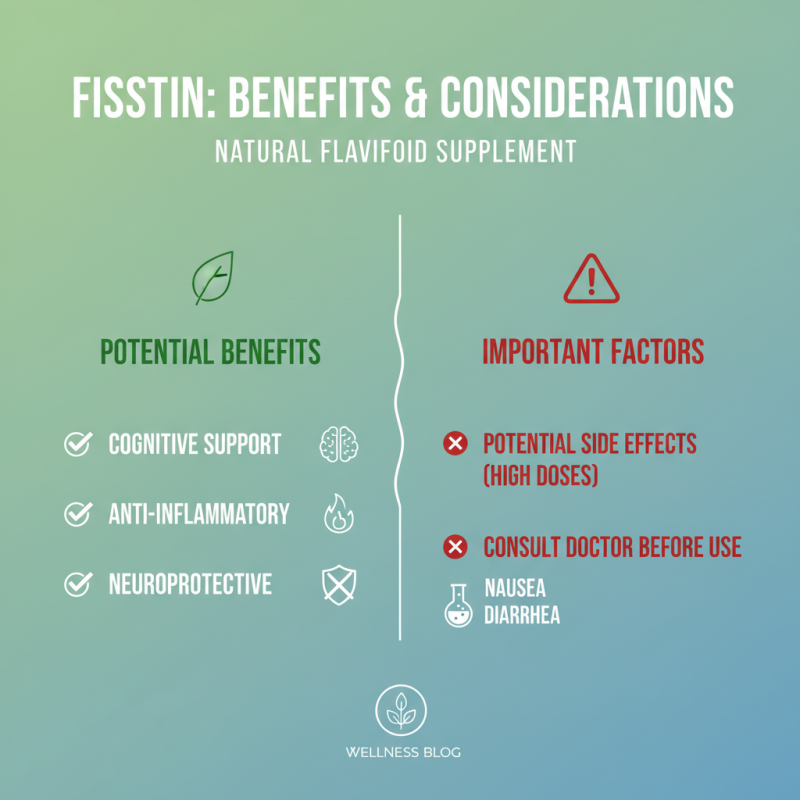
While Fisetin, a naturally occurring flavonoid found in various fruits and vegetables, has gained attention for its potential health benefits, it is crucial to consider its side effects and other important factors before supplementation. Research indicates that Fisetin may support cognitive function, promote anti-inflammatory responses, and even offer neuroprotective effects. However, some studies report potential adverse reactions, particularly at high doses. For instance, a study published in the journal "Nutritional Neuroscience" noted that excessive consumption of Fisetin could lead to gastrointestinal distress, including nausea and diarrhea, particularly in sensitive individuals.
Moreover, individuals with certain medical conditions or those taking specific medications should exercise caution when considering Fisetin as a supplement. A review in "Frontiers in Pharmacology" highlights that interactions with anticoagulants and antiplatelet drugs may pose a risk, potentially exacerbating bleeding tendencies. Furthermore, pregnant or breastfeeding women are generally advised to avoid high doses of Fisetin due to the lack of comprehensive safety data. Overall, while Fisetin holds promise as a health supplement, it is essential for consumers to consult healthcare professionals before starting any new regimen, especially if they have pre-existing health issues or are on medication, to ensure their safety and well-being.
How to Incorporate Fisetin into Your Daily Routine for Better Health
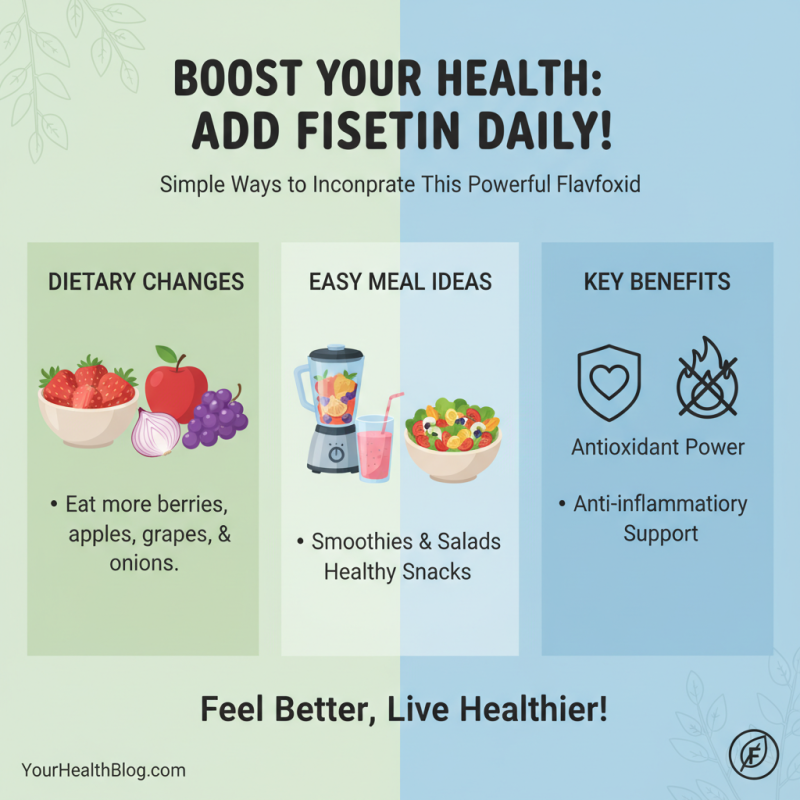
Incorporating fisetin into your daily routine can be a straightforward yet effective way to enhance your overall health. Fisetin, a flavonoid found in various fruits and vegetables, can be easily introduced through dietary changes. Start by including more foods rich in fisetin, such as strawberries, apples, grapes, and onions, in your meals. Adding these ingredients to smoothies, salads, or as snacks can help you increase your fisetin intake without much effort. For instance, blending a fruit smoothie with fresh strawberries and apples not only provides a delicious treat but also boosts your health with the antioxidants and anti-inflammatory properties of fisetin.
Supplementation is another effective way to integrate fisetin into your routine. If you find it challenging to consume enough through diet alone, consider exploring fisetin supplements. Always consult with a healthcare professional before starting any new supplement to determine the appropriate dosage that meets your individual health needs. Additionally, setting reminders or integrating fisetin-rich foods into your meal prep can help ensure you are consistently incorporating this beneficial compound into your diet. Embracing these practices can help you harness the potential health benefits of fisetin while making it an enjoyable part of your lifestyle.