Coenzyme Q10 Benefits and Tips for Optimal Health?
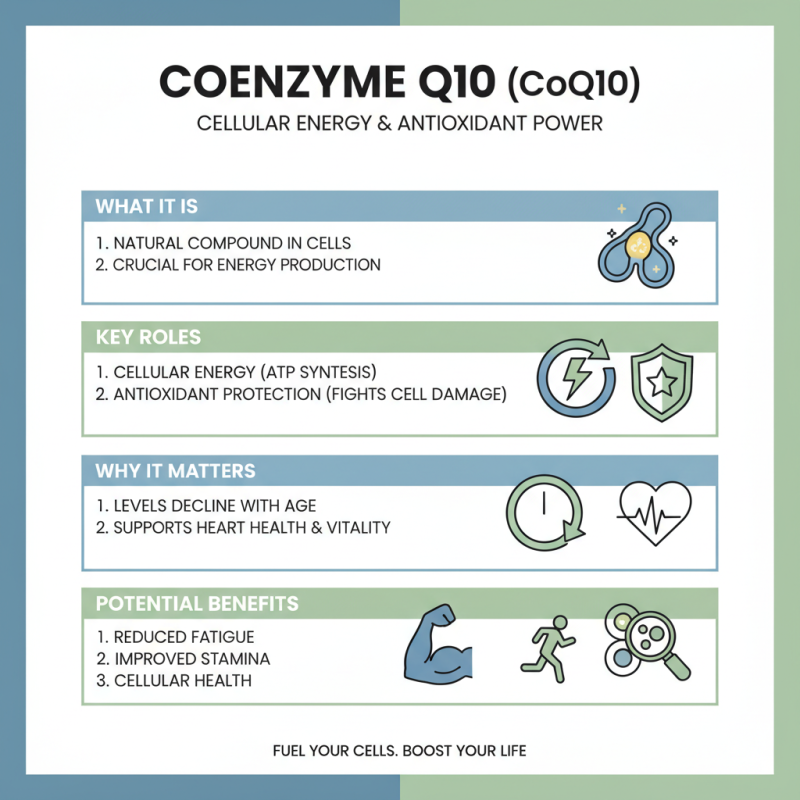
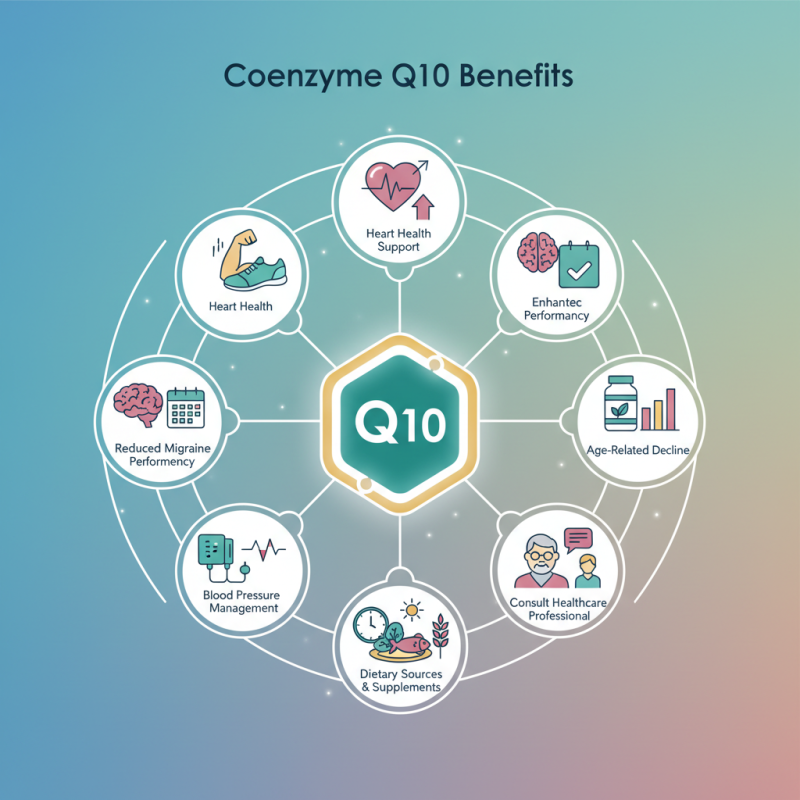
Coenzyme Q10, often referred to as CoQ10, is a powerful antioxidant. It plays a crucial role in energy production within cells. Many people may not fully realize its benefits, which extend beyond simple energy boost. CoQ10 supports heart health and may enhance athletic performance. It's found in various foods but may not be enough in typical diets.
As we age, our natural levels of Coenzyme Q10 decrease. This decline can impact our overall health. Supplementing with CoQ10 may help counteract these effects. Some studies indicate it's beneficial for managing blood pressure and reducing migraine frequency. However, while promising, the research is not yet definitive.
Incorporating Coenzyme Q10 into your daily routine is relatively simple. You can choose supplements or increase dietary sources. Foods like fatty fish, spinach, and whole grains are excellent options. Yet, it’s essential to consult with a healthcare professional before starting any new supplement. Understanding the right dosage is crucial for optimal health benefits. Overall, CoQ10 has much to offer, but more awareness is needed.
Coenzyme Q10: An Overview of Its Role in Human Health
Coenzyme Q10, or CoQ10, plays a vital role in energy production within cells. It's an antioxidant that protects cells from damage. Found naturally in the body, levels of CoQ10 can decline with age. This decrease may lead to fatigue and other health issues. Many people seek its benefits for heart health and improved energy levels.
If you're considering adding CoQ10 to your routine, start with a balanced diet. Foods like fatty fish, organ meats, and whole grains are rich in CoQ10. Also, think about your lifestyle. Regular exercise can enhance your body's CoQ10 levels. Taking care of your body may require some trial and error. Pay attention to how you feel.
Supplements are available but consult a healthcare professional first. Not all bodies react the same way. Listen to your body’s signals. If you experience any issues, re-evaluate. Keeping a journal might help track your energy levels and wellness. Overall, CoQ10 has potential benefits, but being mindful of its effects is key.
The Major Health Benefits of Coenzyme Q10
Coenzyme Q10 is a vital antioxidant found in every cell of the body. It plays a significant role in energy production. Many people may not realize how it impacts their overall health. From heart health to skin rejuvenation, Coenzyme Q10 offers multiple benefits.
Research suggests that Coenzyme Q10 can improve heart function. People with heart issues often have lower levels of this compound. Supplementing may lead to better heart performance. Additionally, it may enhance skin health by fighting oxidative stress. This antioxidant can help reduce the appearance of wrinkles. However, results can vary from person to person, and some might see minimal improvements.
As with any supplement, dosage matters. Too much can lead to side effects like digestive issues. It’s crucial to discuss with a healthcare provider before adding it to your routine. Reflecting on individual needs is essential for achieving optimal health benefits. Coenzyme Q10 can support well-being, but it is just one piece of the puzzle.
Coenzyme Q10 Benefits and Tips for Optimal Health
The following chart displays the major health benefits of Coenzyme Q10 based on scientific studies and data. It highlights the effectiveness of Coenzyme Q10 in various health areas, showcasing the percentage of individuals who reported improvements in their conditions after supplementation.
Sources of Coenzyme Q10: Food and Supplement Options
Coenzyme Q10, often called CoQ10, is vital for energy production in our cells. It is a natural antioxidant, which helps neutralize harmful free radicals. Sources of CoQ10 can significantly impact our health. Dietary choices play an important role in ensuring adequate levels.
You can find CoQ10 in various foods like fatty fish, whole grains, and spinach. Organ meats like liver and kidneys are particularly rich in this nutrient. Nuts and seeds, such as peanuts and sesame seeds, also contribute to your intake. While food sources are beneficial, supplements can provide a concentrated dose. However, not everyone absorbs supplements effectively, which is something to consider.
The diet alone may not provide enough CoQ10 for some individuals. Those with certain health conditions may need to rely more on supplements. Dietary habits can vary greatly, so it's essential to evaluate your intake. Reflect on your eating patterns. Are you including enough CoQ10-rich foods? If not, consider your health goals when making changes.
Recommended Dosages and Usage Guidelines for Coenzyme Q10
Coenzyme Q10, often referred to as CoQ10, is vital for energy production within our cells. For optimal health, the recommended dosage varies. Generally, adults can benefit from 100 to 200 mg per day. Those with specific health concerns might need higher doses. Always consult a healthcare professional for personalized advice.
Timing also matters. Taking CoQ10 with meals can enhance its absorption. Some individuals prefer the morning, helping to boost energy levels throughout the day. It can be tricky, though; not everyone experiences the same benefits. Some may even feel jittery if taken too late in the day.
Side effects are rare but can occur. Mild digestive discomfort is a possibility. If you notice unusual symptoms, it’s wise to reassess usage. Not all supplements are created equal, so quality matters greatly. It's essential to reflect on your personal health needs and adjust your intake accordingly.
Potential Side Effects and Precautions when Taking Coenzyme Q10
Coenzyme Q10, or CoQ10, is popular for its health benefits. Despite its advantages, some potential side effects warrant attention. Common ones include stomach upset and skin rashes. These can be bothersome but aren't always serious. Always listen to your body. If something feels off, consider adjusting your dosage.
Individuals with certain medical conditions should be cautious. For example, those with diabetes may experience changes in blood sugar levels. It's wise to consult with a healthcare provider before starting CoQ10. Possible interactions with medications, such as blood thinners, raise concerns too. Awareness is crucial; your healthcare provider can help assess the risks.
Pregnant and breastfeeding women should avoid CoQ10 unless advised otherwise. The research is limited on its safety in these groups. Monitoring one's response to CoQ10 can be revealing. Keep a journal of any side effects or changes you notice. This can help in discussions with healthcare professionals and guide future decisions on supplementation.
Coenzyme Q10 Benefits and Tips for Optimal Health
| Benefits |
Suggested Dosage |
Potential Side Effects |
Precautions |
| Supports heart health |
100-200 mg per day |
Nausea |
Consult with a healthcare provider before use |
| Boosts energy levels |
50-150 mg per day |
Diarrhea |
Use caution if taking blood thinners |
| Improves exercise performance |
150-300 mg per day |
Insomnia |
Pregnant or breastfeeding women should avoid |
| Antioxidant properties |
100-300 mg per day |
Skin rash |
Check for interactions with medications |