What is Berberis vulgaris extract and its health benefits?
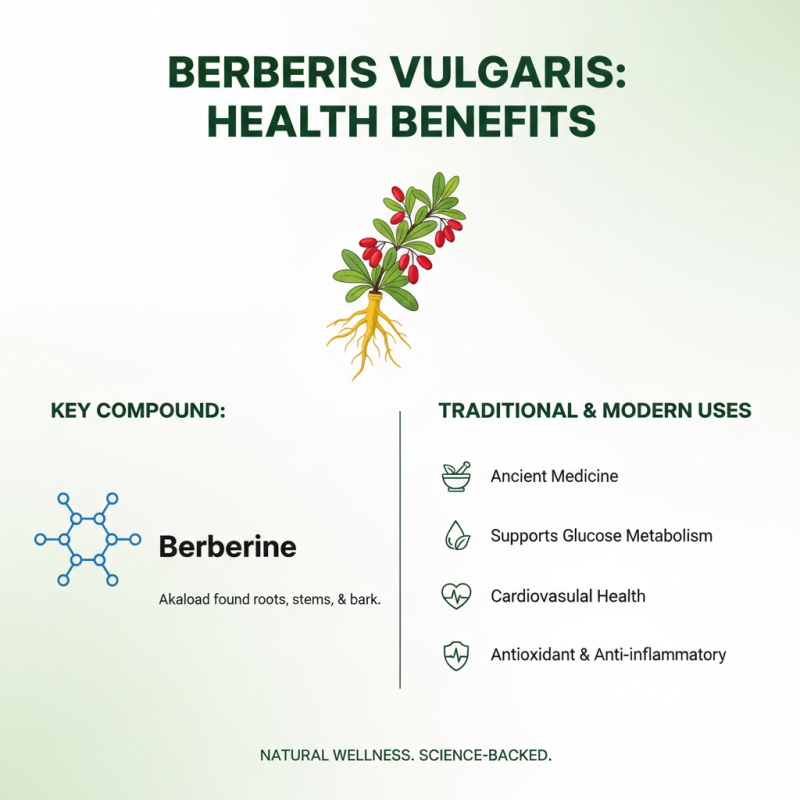
Berberis vulgaris extract, derived from the barberry plant, has gained attention for its numerous health benefits. This extract is rich in compounds like berberine. They have shown promise in promoting overall well-being. Many cultures have used Berberis vulgaris for centuries in traditional medicine.
Recent studies highlight its potential anti-inflammatory and antimicrobial properties. Many health enthusiasts are curious about its benefits. However, not all research is conclusive. Some results need further investigation and cautious interpretation. This extract may improve gut health and support immune function. Observing its effects on blood sugar levels can offer more insights.
While Berberis vulgaris extract has potential, individual reactions may vary. Some may experience side effects, and it is essential to consult healthcare professionals before use. The journey to understanding this extract is ongoing, and further exploration will shed light on its true efficacy.
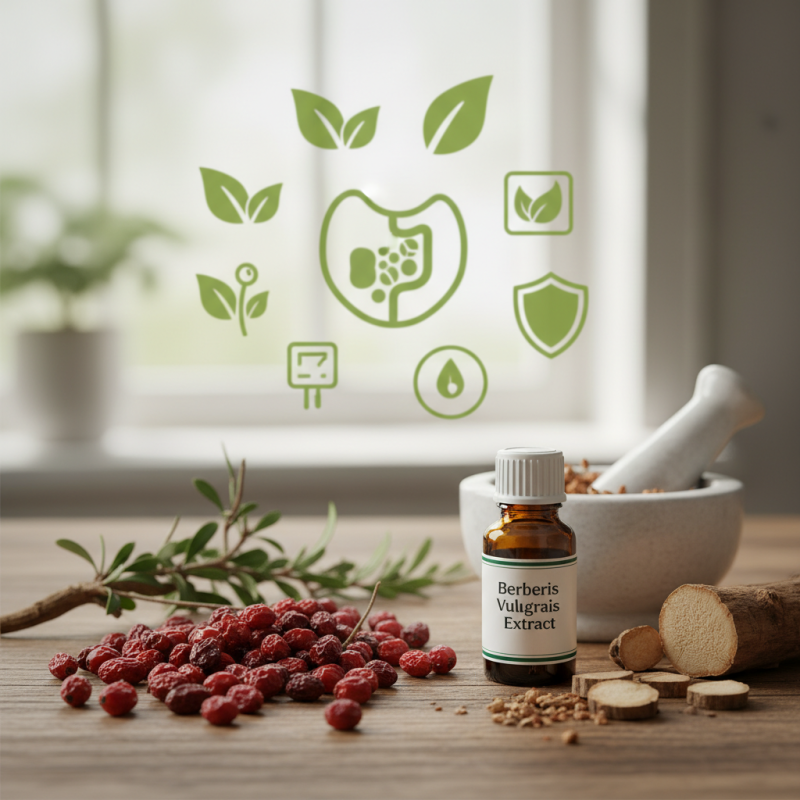
What is Berberis vulgaris and its Botanic Classification
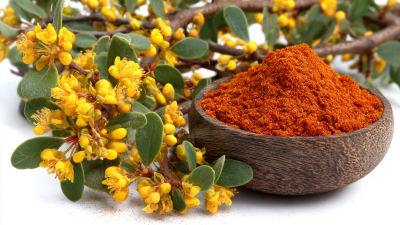
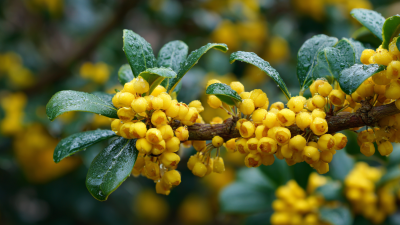
Berberis vulgaris, commonly known as barberry, belongs to the Berberidaceae family. This shrub can grow up to 3 meters tall. It boasts bright yellow roots and small, tart berries. Barberry is native to Europe, but it also thrives in parts of Asia and North America. The plant is easily recognizable, thanks to its spiny branches.
In botanic classification, Berberis vulgaris is an angiosperm. It is a dicotyledonous plant, which means it has two embryonic leaves or cotyledons. According to the USDA, this species can adapt to various soil types. Research indicates that barberry can tolerate both drought and wet conditions. Its resilience highlights the plant's ecological significance.
The active compounds in Berberis vulgaris, such as berberine, contribute to its medicinal properties, but understanding them requires more research. Some studies suggest it has antimicrobial and anti-inflammatory effects. However, more clinical trials are necessary to validate these claims completely. The potential health benefits are intriguing, yet some aspects of barberry's efficacy remain uncertain. Continual exploration in this area is essential for unraveling its true therapeutic value.
The Composition of Berberis vulgaris Extract: Active Compounds
Berberis vulgaris, commonly known as barberry, is rich in bioactive compounds. Its extract contains berberine, flavonoids, and alkaloids. These elements contribute to various health benefits. Berberine has been studied for its potential effects on blood sugar levels. Flavonoids are known for their antioxidant properties, which help protect cells from damage. The combination of these compounds makes Berberis vulgaris extract a powerful natural remedy.
In addition to glycemic control, Berberis vulgaris extract supports digestive health. It may help alleviate gastrointestinal issues. Some studies suggest it has anti-inflammatory effects. This extract is also being explored for its role in cardiovascular health. However, while it shows promise, more research is needed. Individuals should be cautious when considering it as a supplement. There are possible side effects and interactions with medications.
The composition of Berberis vulgaris extract makes it intriguing. But not all effects are fully understood. Future research should focus on defining its benefits and limitations. It’s essential to approach Berberis vulgaris extract with an open yet critical mindset.
Health Benefits of Berberis vulgaris Extract Supported by Research
Berberis vulgaris, commonly known as barberry, is a shrub whose extract has gained popularity due to its potential health benefits. Research suggests that it contains berberine, a compound that shows promise in promoting metabolic health. One of the standout benefits is its ability to support cardiovascular health. Studies indicate that berberine can help regulate cholesterol levels, which is crucial for heart function.
Additionally, Berberis vulgaris extract may offer benefits for blood sugar control. Some research highlights its ability to enhance insulin sensitivity. This could be particularly beneficial for those managing diabetes or pre-diabetes. With these emerging findings, individuals are encouraged to explore the use of this extract in conjunction with a balanced diet. While berberine shows potential, not every study has consistent results, and more research is needed to establish clear guidelines for its use.
As interest in natural remedies grows, caution is warranted. The effectiveness of Berberis vulgaris extract can vary based on factors such as dosage and individual response. Observations from varied studies suggest ongoing fluctuations in results, which necessitate further investigation. Exploring the extract’s health benefits may enhance well-being, yet it should be approached with thoughtful consideration.
Health Benefits of Berberis vulgaris Extract
This chart illustrates the various health benefits of Berberis vulgaris extract based on research findings. The benefits are quantified by the percentage of studies indicating positive effects.
Clinical Studies: Efficacy of Berberis vulgaris in Disease Management
Berberis vulgaris, commonly known as barberry, is gaining attention for its health benefits. This plant has a long history of medicinal use. Extracts from its roots, stems, and bark contain berberine. This active compound is linked to various health improvements.
Clinical studies have explored the efficacy of Berberis vulgaris in managing diseases such as diabetes and cardiovascular issues. Some research indicates it may help lower blood sugar levels. Participants reported a drop in their glucose readings after consistent use. However, results vary among individuals. Not everyone found it effective. Some experienced side effects or no noticeable change.
Additionally, Berberis vulgaris shows promise in fighting infections. Its antimicrobial properties can be beneficial for overall health. Inflammation is another area of interest. Reduced inflammatory markers were noted in some studies. Yet, more rigorous trials are needed to confirm these findings. Overall, the emerging evidence presents a mixed but hopeful picture for Berberis vulgaris in disease management.
Safety and Dosage Guidelines for Berberis vulgaris Extract Use
Berberis vulgaris extract, commonly known as barberry extract, offers various health benefits. It is rich in berberine, which is known for its antimicrobial and anti-inflammatory properties. However, safety and dosage are critical when using this extract. It is essential to approach this herbal remedy with caution.
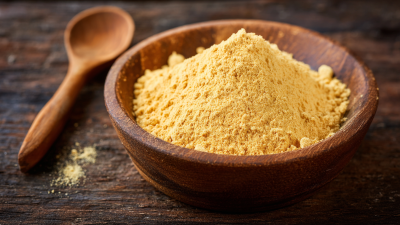
For adults, a typical dosage ranges from 500 mg to 1500 mg daily. Dividing this into smaller doses can aid absorption. However, individuals should not exceed this amount without consulting a healthcare professional. Pregnant or breastfeeding women should avoid using this extract entirely due to insufficient safety data.
Possible side effects may include digestive issues and headaches. If these occur, reassessing the dosage is vital. Monitoring any adverse reactions is crucial. Remember, even natural products can have strong effects. Explicit instructions from a healthcare provider enhance safety when integrating Berberis vulgaris extract into your routine.