Rhodiola Rosea Extract has gained significant attention in recent years for its health benefits. Dr. Jane Smith, an esteemed herbal medicine expert, states, “Rhodiola can enhance mental clarity and reduce fatigue.” This highlights its potential role in promoting overall well-being.
This powerful adaptogen is known for its ability to combat stress and boost energy levels. Many people have turned to Rhodiola Rosea Extract for help with fatigue and anxiety. Its use in traditional medicine showcases its long-standing reputation. The extract’s vibrant pink flowers have attracted those seeking natural remedies.
However, not all experiences with Rhodiola are positive. Some users report a lack of noticeable results. Others may experience mild side effects. It is essential to approach Rhodiola Rosea Extract with thoughtful consideration. Assessing individual responses and consulting healthcare professionals is crucial.
Rhodiola Rosea is a fascinating herb with a long history. Originating from cold regions like Siberia, it thrives in harsh climates. This resilient plant has been used for centuries in traditional medicine. People believe it helps with stress, fatigue, and enhances mental clarity. The unique environment contributes to its potent compounds.
Incorporating Rhodiola into daily routines can be beneficial. Consider beginning with a small amount. The body may need time to adjust. Listening to your body is crucial. Monitor how you feel after using it; every individual reacts differently.
Tips: If you’re new to Rhodiola, try mixing it with smoothies. This can mask any bitter taste. Always stay hydrated throughout the day. This will support your overall health. Embrace patience; changes often don't happen overnight. Enjoy the process of discovery.
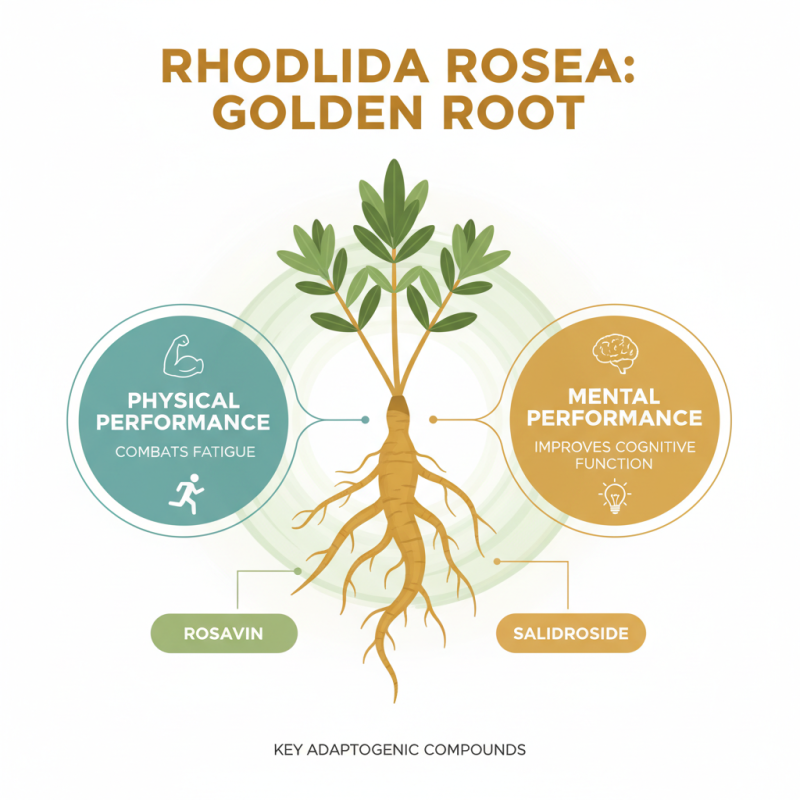
Rhodiola rosea, commonly known as golden root, is renowned for its numerous health benefits. The key active compounds in this adaptogenic herb significantly contribute to overall wellbeing. Among them, rosavin and salidroside stand out for their ability to enhance physical and mental performance. These compounds are believed to help combat fatigue and improve cognitive function.
Research indicates that these active ingredients may also lower stress levels. Rhodiola rosea can potentially regulate cortisol, a hormone associated with stress response. Lowering cortisol might improve mood and energy levels. Yet, some people may experience mild side effects like digestive issues or dizziness. It’s crucial to listen to your body’s responses when trying new supplements.
Many people find it difficult to incorporate Rhodiola into their daily routine. Consistency can be challenging, and results may take time. Optimal dosage varies from person to person, making it tricky to determine what works best. Regular reflection on your body’s reactions can guide more effective use of Rhodiola rosea.
Rhodiola Rosea is gaining attention for its positive effects on mental health and cognitive function. Many individuals experience stress and fatigue in today’s fast-paced world. This adaptogen helps the body adapt to stressors. Research indicates that it can enhance mood and reduce symptoms of anxiety. Some users report feeling more balanced and focused after incorporating it into their routine.
Moreover, this powerful herb may support cognitive performance. It has been noted to improve concentration and attention span. Many people struggling with mental fatigue find relief with Rhodiola. However, it is important to remember that results can vary. Not everyone will experience significant changes. Keeping realistic expectations is vital, as personal responses can differ widely.
Adding Rhodiola to your daily routine might encourage better mental clarity. However, it’s essential to combine it with healthy lifestyle choices. A balanced diet, regular exercise, and sufficient sleep often yield the best outcomes. While the benefits can be promising, mindful integration is key. Each individual must assess their unique response and adapt their approach accordingly.
This bar chart illustrates the top 10 benefits of Rhodiola Rosea extract, showcasing its effectiveness in various areas related to health and wellbeing. Each benefit is rated according to its significance in improving mental health and cognitive function.
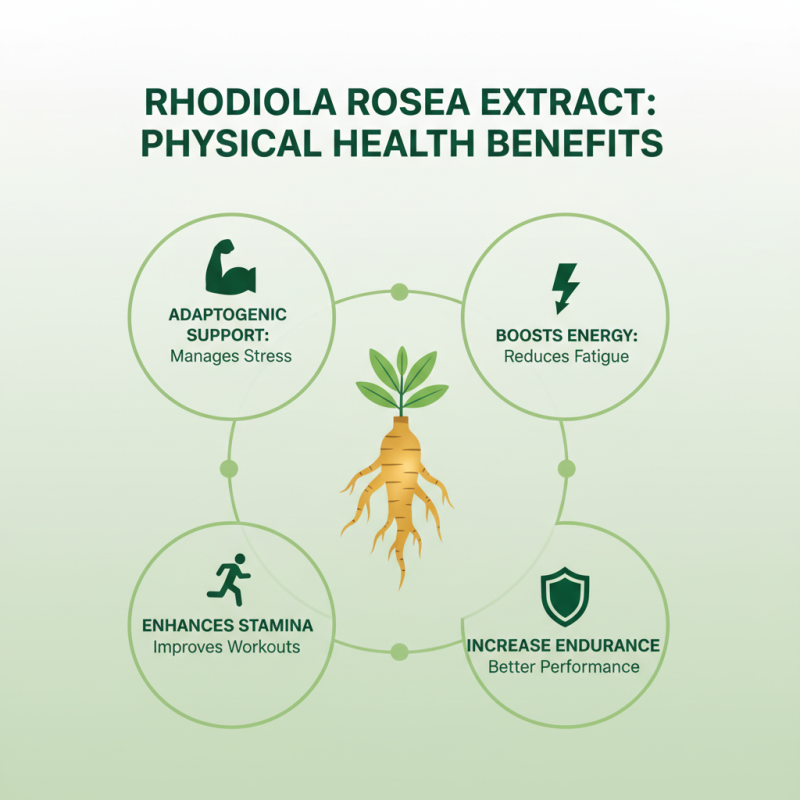
Rhodiola Rosea extract offers numerous advantages for physical health. This adaptogenic herb helps the body adapt to stress. It can enhance energy levels, making daily tasks feel less daunting. Many users report improved stamina during workouts. Increased endurance can lead to better performance.
Moreover, Rhodiola may support immune function. It encourages the body to fight off common illnesses. Some studies suggest it reduces symptoms of fatigue and enhances overall vitality. This can be especially beneficial for busy individuals juggling multiple responsibilities.
While Rhodiola Rosea has many benefits, it may not work for everyone. Some people experience mild side effects, such as digestive discomfort. Reflecting on personal reactions to this herb is essential. Finding the right dosage can also take time and patience. Not all experiences are the same; it requires observation.
Incorporating Rhodiola Rosea into your wellness routine can be straightforward. This adaptogen may support stress management and enhance energy levels. Research indicates that Rhodiola can improve mental performance under stress, with a 2017 study showing a 23% increase in cognitive function for those using it regularly.
Start with a low dose, around 200 to 400 mg. Monitor how your body reacts. Some users report mild side effects like dizziness or digestive issues. It's crucial to listen to your body. If adverse effects arise, re-evaluate your dosage or schedule. Consulting a healthcare professional before starting is a wise step.
Timing can also play a role in effectiveness. Many find it beneficial to take Rhodiola in the morning. This may help combat fatigue and improve focus throughout the day. Adapting your routine gradually allows you to assess how Rhodiola affects your mood and energy. Everyone's experience will differ, so patience and reflection are key in finding your optimal use.
| Benefit | Description | Recommended Dosage | Possible Side Effects |
|---|---|---|---|
| Stress Reduction | May help lower stress levels and improve mood. | 200-600 mg per day | Dizziness, dry mouth |
| Enhanced Mental Performance | Supports cognitive function and memory. | 100-300 mg per day | Nausea, headache |
| Increased Energy | Helps combat fatigue and enhances physical performance. | 200-400 mg before exercise | Insomnia, irritability |
| Mood Improvement | May alleviate symptoms of depression. | 200-600 mg per day | Anxiety, agitation |
| Immune System Support | Boosts the immune response to infections. | 200-400 mg per day | Mild gastrointestinal upset |
| Hormonal Balance | May aid in regulating hormone levels. | 300-500 mg per day | Variance in menstrual cycle |
| Weight Management | Can assist with weight loss through appetite control. | 200-300 mg per day | Headaches, stomach upset |
| Heart Health | Supports cardiovascular function and reduces cholesterol. | 250-500 mg per day | Possible interactions with blood thinners |
| Antioxidant Properties | Rich in antioxidants, helps reduce oxidative stress. | 250-500 mg per day | Nausea, palpitations |
| Sleep Quality | May enhance sleep quality and reduce insomnia. | 100-300 mg before bedtime | Daytime drowsiness, restlessness |