What Are the Benefits of Milk Thistle Extract for Health?
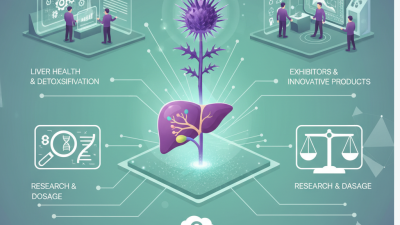
Milk Thistle Extract has gained attention for its potential health benefits, especially for liver health. According to a report by the National Institutes of Health, milk thistle may support liver function and detoxification processes. This herb, derived from the Silybum marianum plant, contains silymarin, which exhibits antioxidant properties.
Recent studies suggest that Milk Thistle Extract can aid in protecting the liver from toxins and reduce inflammation. In a clinical trial published in the Journal of Clinical Gastroenterology, patients with liver diseases who took silymarin experienced improved liver function markers. This indicates the extract's significance in supporting overall health.
Yet, there are still questions surrounding its efficacy and dosage. Not everyone responds to Milk Thistle Extract in the same way. It highlights the need for more research to identify optimal dosages and long-term effects. Users should approach this supplement with both curiosity and caution, recognizing the balancing act between potential benefits and individual responses.

Benefits of Milk Thistle Extract for Liver Health
Milk thistle extract is celebrated for its potential benefits to liver health. This herb contains silymarin, a compound known for its antioxidant properties. Research indicates that silymarin may protect liver cells from toxins and inflammation. A study published in the journal *Hepatology* found that patients with liver disease who took silymarin exhibited improved liver function tests.
Moreover, a review in *Phytotherapy Research* highlights that milk thistle may support liver regeneration. In trials, participants demonstrated significant improvements in liver function. However, the response to milk thistle can vary significantly among individuals. Not everyone experiences the same level of benefit, which stresses the need for further research.
Liver health is vital for overall wellbeing. Silymarin’s protective role against conditions like fatty liver disease is notable. While evidence supports its use, it should not replace conventional treatments. Regular check-ups with healthcare professionals are crucial for monitoring liver health. With the increase in liver-related diseases globally, exploring natural alternatives is an area worth investigating, but caution is necessary.
Antioxidant Properties of Milk Thistle Extract
Milk thistle extract has gained attention for its antioxidant properties, which play a vital role in health. This herbal remedy has a compound called silymarin, known for its ability to combat oxidative stress. Oxidative stress can lead to cellular damage, contributing to various diseases. By neutralizing free radicals, milk thistle may help protect the body at a cellular level.
Research suggests that silymarin might enhance liver function and support detoxification. The liver is essential for metabolizing toxins. An efficient liver means better overall health. However, results can vary by individual. Some people might not experience noticeable benefits, highlighting the importance of personalized health approaches.
Incorporating milk thistle into a daily routine may support a balanced lifestyle. Users should monitor their own responses. Potential side effects, such as gastrointestinal discomfort, shouldn’t be ignored. Consulting a healthcare provider before use is wise. It enables individuals to make informed choices about their health and ensures safety.
Potential Role of Milk Thistle in Digestive Health
Milk thistle, derived from the Silybum marianum plant, has gained recognition for its potential digestive health benefits. The active compound, silymarin, is known for its antioxidant properties. Research indicates that silymarin may protect against liver damage and promote healthy bile production, which is essential for digestion. According to a study published in the Journal of Clinical Gastroenterology, researchers identified a significant improvement in liver function markers in participants taking milk thistle extract compared to those who did not.
Additionally, milk thistle may help alleviate symptoms of digestive disorders. In one clinical trial, patients with chronic liver disease reported reduced bloating and discomfort after incorporating milk thistle into their routine. While results vary, its role in supporting digestive health is gaining traction in the holistic health community. However, not all studies agree on the effectiveness of milk thistle, highlighting the need for further research to better understand its full potential.
Despite its benefits, milk thistle should not replace traditional treatments for digestive issues. Individuals should consider consulting with a healthcare professional before starting any new supplement. The evidence surrounding milk thistle’s impact on digestive health remains encouraging but requires cautious interpretation. Balancing personal experiences with professional guidance can lead to more informed decisions regarding its use.
What Are the Benefits of Milk Thistle Extract for Health? - Potential Role of Milk Thistle in Digestive Health
| Benefit |
Description |
Research Findings |
| Liver Health |
Supports liver function and may help in detoxification. |
Studies show improved liver enzyme levels in individuals using milk thistle. |
| Antioxidant Properties |
Contains silymarin which has antioxidant effects. |
Research indicates silymarin helps reduce oxidative stress. |
| Digestive Health |
May aid in digestion and help with bile production. |
Clinical trials suggest it can alleviate symptoms of indigestion. |
| Anti-Inflammatory Effects |
May reduce inflammation in the body. |
Research finds potential to lower inflammatory markers. |
| Skin Health |
May improve skin conditions due to anti-inflammatory properties. |
Studies have shown improvements in certain skin disorders. |
Effects of Milk Thistle on Blood Sugar Levels
Milk thistle extract has garnered attention for its potential benefits in regulating blood sugar levels. Studies indicate that silymarin, the active compound in milk thistle, may support overall metabolic health. According to a review published in the "Journal of Evidence-Based Complementary & Alternative Medicine", silymarin can improve insulin sensitivity. This is crucial for individuals at risk of developing type 2 diabetes.
A study published in "Diabetes Research and Clinical Practice" showed that participants taking milk thistle extract experienced a statistically significant reduction in fasting blood glucose levels. This is promising, particularly for people managing prediabetes or early-stage diabetes. The dosage and duration proved important factors, as results varied among individuals. The need for tailored approaches in supplementation remains a topic of discussion.
Notably, while many report benefits, not everyone responds similarly to milk thistle. Some individuals experienced mild gastrointestinal discomfort. This raises questions about the supplement's consistency in effectiveness. Ongoing research is necessary to fully understand the precise mechanisms at play. Ultimately, discussing with healthcare professionals before starting new supplements is wise.
Safety and Dosage Recommendations for Milk Thistle Extract
Milk thistle extract has gained attention for its potential health benefits, particularly for liver health. Many people turn to this herbal remedy seeking relief from various conditions.
However, safety and dosage are essential factors to consider before incorporating it into your routine.
When it comes to dosage, general guidelines suggest starting with a lower dose and gradually increasing it. Typically, a daily intake of 140 to 300 mg of silymarin, the active compound in milk thistle, is recommended. That said, individual needs can vary. Factors like age, weight, and existing health conditions should influence your dosage. Consulting with a healthcare professional is wise, especially if you take other medications.
While milk thistle is considered safe for most people, side effects can occur. Some may experience mild gastrointestinal issues, such as nausea or diarrhea. Allergic reactions, though rare, can also happen. Monitoring your body's response helps determine if it’s right for you. Don't hesitate to seek advice from a healthcare provider if in doubt. Making informed choices is crucial for your health journey.